
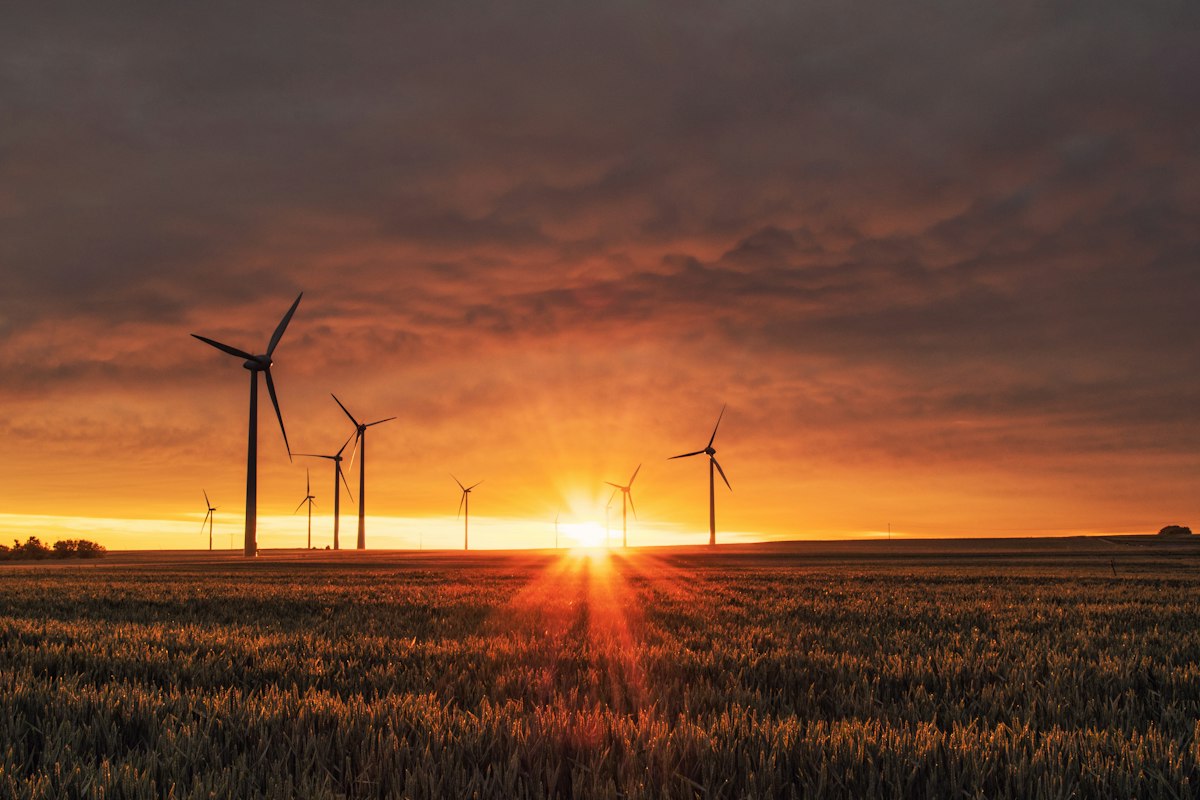
Texas's wind energy sector is experiencing rapid growth, yet the integration of this renewable resource into the state's electrical grid presents significant challenges.
As of July 2026, Texas boasts approximately 40 GW of installed wind capacity, making it the leader in the United States. However, the state's electrical grid, managed by the Electric Reliability Council of Texas (ERCOT), is struggling to adapt to the increasing volume of variable energy sources.
The challenges become even more pronounced during periods of low demand, where excess wind generation can lead to grid instability. ERCOT recently reported that last month, wind generation accounted for over 60% of the total energy supply during peak times, yet it created critical issues during off-peak hours.
Local energy companies, such as NextEra Energy Resources, are advocating for enhanced energy storage solutions to mitigate these fluctuations. CEO Alex Roberts stated, “Investing in battery storage is crucial to balance the load and ensure reliability as we transition to a more renewable-focused grid.”
Despite these hurdles, Texas wind energy is a vital player in the fight against climate change. The Texas Wind Energy Association estimated that wind energy saved consumers $2.5 billion in 2025 through avoided electricity costs.
Collaboration between energy producers, grid operators, and policymakers will be essential to address these integration issues. Upcoming meetings between ERCOT and major wind producers are planned for August to discuss potential solutions, including upgrades to the existing infrastructure.
As Texas continues to lead the nation in wind energy production, stakeholders are optimistic that with the right investments and policies, the challenges of grid integration can be overcome, ultimately solidifying Texas's position as a leader in renewable energy.