
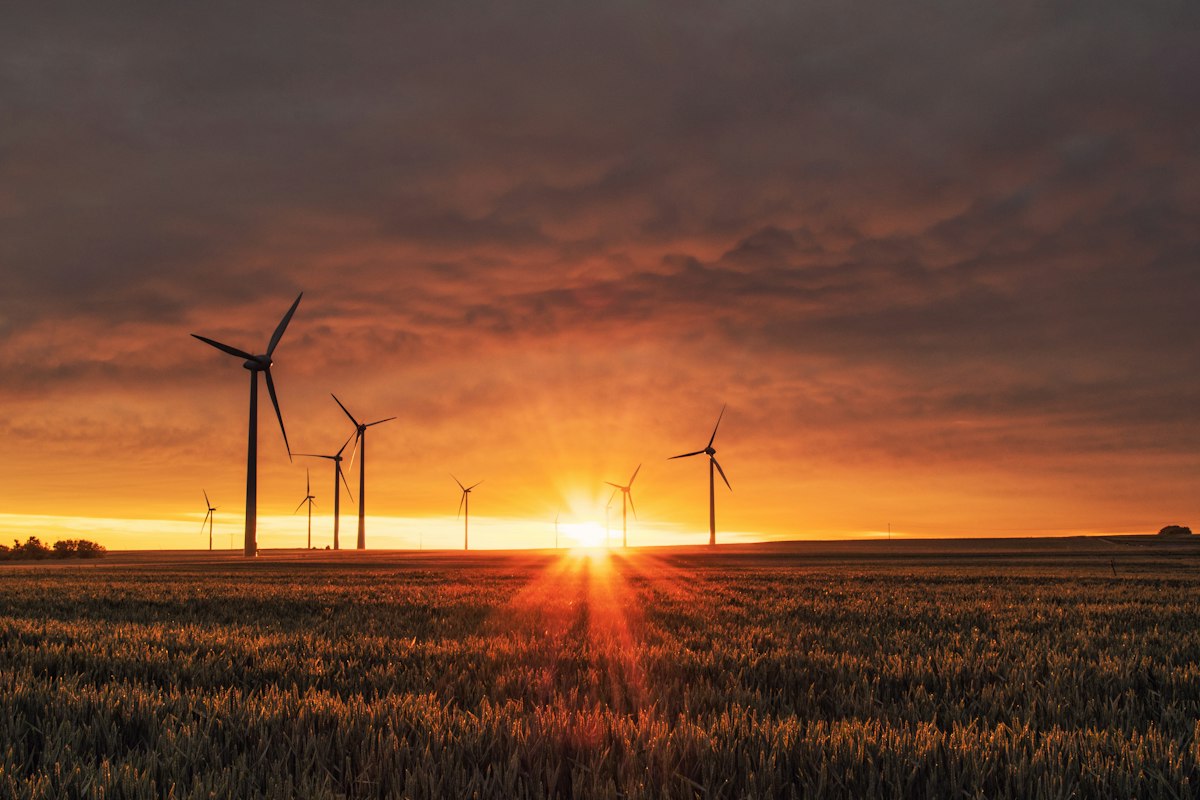
In the wake of recent federal incentives aimed at promoting clean energy, Texas has emerged as a focal point for new wind power projects, with several developments slated to come online by the end of 2026.
As the largest producer of wind energy in the United States, Texas is set to expand its capacity significantly thanks to the Inflation Reduction Act passed in 2022, which extended the production tax credit for wind energy projects. This move has catalyzed investment in the wind sector, leading to an estimated $8 billion in new projects across the state.
According to the Texas Wind Energy Association, more than 10,000 megawatts of wind capacity are expected to be added by the end of 2026. “The financial support from the federal government has made it easier for developers to plan and finance new projects,” stated Brian Lee, Executive Director of the Association.
Prominent energy companies, including Ørsted and NextEra Energy Resources, have announced plans to construct several wind farms in regions like West Texas and the Panhandle, areas known for their high wind potential. Ørsted's latest project, a 1,500-megawatt wind farm in Pecos County, is expected to be one of the largest in North America.
The influx of new wind power capacity is anticipated to generate thousands of jobs in local communities. Local officials in Lubbock County estimate that the wind projects will create over 3,500 jobs during the construction phase alone.
However, the rapid expansion of wind energy capacity also raises questions about the reliability of the grid. With ERCOT managing a grid that is increasingly reliant on intermittent sources of energy, some experts urge caution. “While the growth of wind energy is crucial for Texas, it’s essential we balance it with other sources to ensure grid stability,” warned Tom Jacobs, a grid analyst at ERCOT.
In response to these concerns, energy officials are exploring advanced energy storage solutions that could help mitigate the variability of wind energy output. The emergence of battery technologies and pumped hydro storage systems could provide viable options for integrating more wind energy into the grid.
As Texas continues to lead the charge in wind energy, the future of its energy landscape appears increasingly green. With federal support and private sector investment, the state is on track to not only meet but exceed its renewable energy targets, contributing to a more sustainable future.