
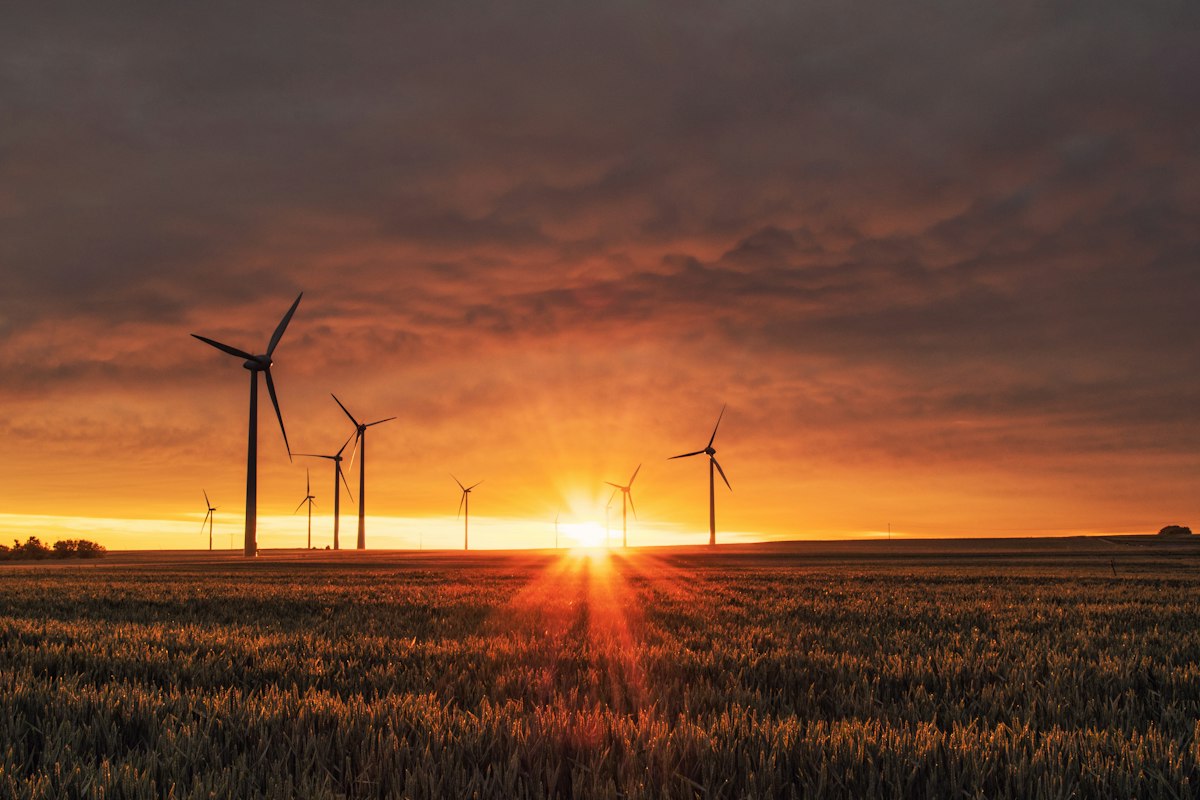
As Texas solidifies its position as a wind energy powerhouse, the sector faces increasing scrutiny and regulatory challenges that could hinder its growth.
According to the latest data from the U.S. Energy Information Administration, Texas produces nearly 50% of the nation’s wind energy, and in 2026, the state installed an additional 4,500 megawatts of wind capacity. However, recent shifts in local regulations and rising public opposition have raised concerns about the future of wind development.
The Texas Legislature recently passed a bill imposing stricter regulations on new wind projects, citing environmental and aesthetic concerns. This has led to significant delays in proposed installations, particularly in areas like Lubbock and Midland, where local communities have voiced their discontent. “We support renewable energy, but we need to ensure that it’s done responsibly,” stated Susan Martinez, a local resident and member of the Lubbock City Council.
Additionally, the rise of opposition groups advocating for traditional energy sources has begun to influence public sentiment against wind projects. These groups argue that wind farms have adverse effects on wildlife and local landscapes, complicating the approval process for future installations.
Despite these challenges, companies such as NextEra Energy and Invenergy remain committed to their wind investment in Texas. NextEra recently announced plans to invest $2 billion in a new wind farm in North Texas, which is projected to create over 800 jobs during construction.
In light of the regulatory changes, NextEra’s Senior Vice President, Jessica Green, commented, “We are adapting our strategies to meet new requirements and engage with local communities. Our commitment to sustainable energy remains unwavering.”
The uncertainty surrounding wind energy regulations has led to a slowdown in project approvals, which could impact job creation and economic growth. Industry experts estimate that the delay in new projects could cost Texas over $1 billion in potential investment over the next two years.
As the situation unfolds, the Texas wind sector must navigate a complex landscape of shifting regulations and public opinion. Stakeholders emphasize the importance of community engagement and transparent dialogue in overcoming these hurdles.
While the state continues to lead the nation in wind energy production, the path forward will require careful negotiation between regulatory bodies, companies, and local communities to ensure that growth in this sector remains sustainable.