
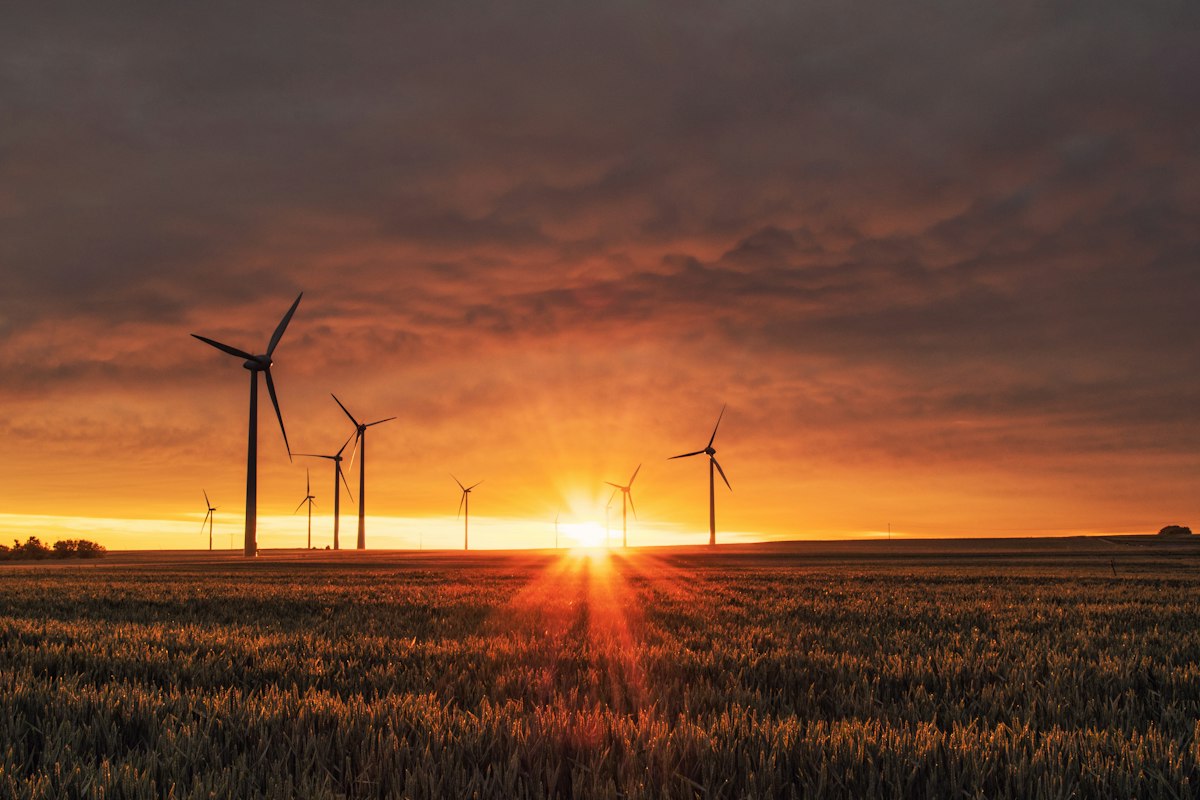
Texas is doubling down on its commitment to sustainability as wind energy projects flourish across the state, aligning with the ambitious goal of achieving carbon neutrality by 2050.
Recent reports indicate that Texas now boasts over 36,000 megawatts of installed wind capacity, more than any other state in the nation. This growth has been fueled by significant investments from both public and private sectors, with wind energy companies receiving over $15 billion in funding in 2025 alone.
Key players in the industry, such as Invenergy and General Electric, continue to expand their operations in Texas. Invenergy's recently completed 800-megawatt wind farm in Sweetwater is expected to generate enough electricity to power approximately 300,000 homes annually.
“Our investment in Texas wind energy reflects our commitment to a sustainable future,”
noted Mike Smith, CEO of Invenergy. “This project will not only provide clean energy but will also create jobs and stimulate local economies.”
In addition to large-scale projects, smaller community-based initiatives are gaining traction. Local cooperatives in areas like Lubbock and Amarillo are partnering with wind developers to establish community-owned wind farms, allowing residents to directly benefit from renewable energy.
Texas Governor Greg Abbott has been a vocal advocate for the state's wind energy initiatives, stating, “Investing in renewable energy sources is vital for Texas's economic future and environmental stewardship.”
Despite the promising growth, the wind energy sector faces challenges, particularly concerning grid infrastructure and interconnection delays. ERCOT continues to work on upgrades to accommodate the increasing influx of renewable energy.
Moreover, with the ongoing debate over energy policy at the federal level, industry stakeholders are urging lawmakers to provide consistent support for renewable energy incentives, which are crucial for future investments.
As Texas accelerates its wind energy adoption, the state's efforts could serve as a model for other regions striving to balance economic growth with environmental responsibility. The combination of robust investments, supportive policies, and innovative community initiatives positions Texas as a leader in the renewable energy transition.