
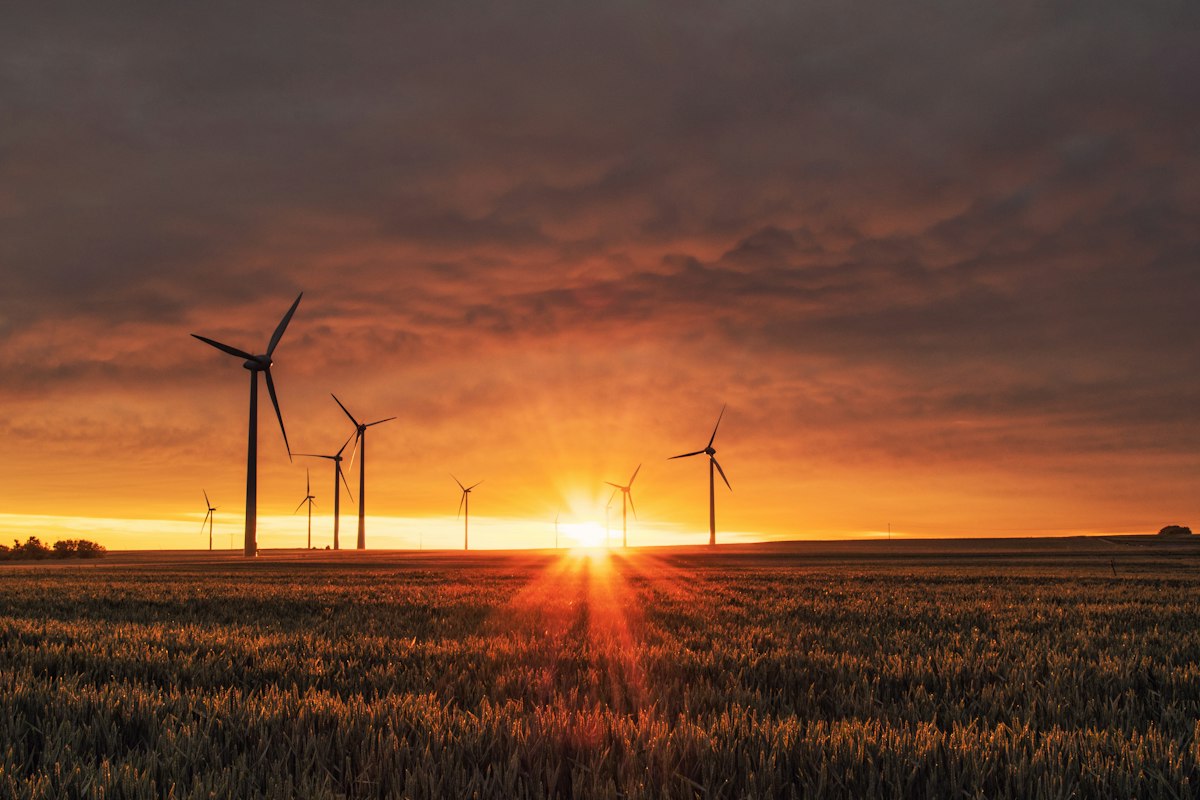
As of July 2026, Texas is making substantial investments in its wind energy infrastructure, cementing its status as the leading state for wind energy production in the United States.
Recent reports indicate that Texas now boasts over 35,000 megawatts of wind capacity, accounting for nearly 30% of the nation's total wind energy production. The state's commitment to renewable energy is evident in the ongoing construction of new wind farms, particularly in regions such as West Texas and the Panhandle.
“The growth in wind energy is a testament to Texas's commitment to a sustainable future,” stated Rebecca Tran, a senior project manager at Texas Wind Power. “We are not only generating clean energy, but we are also creating jobs and stimulating local economies.”
The recent announcement of a $500 million investment by Siemens Gamesa to expand turbine manufacturing facilities in Fort Worth is expected to create over 1,000 jobs in the region. This move aligns with the broader trend of integrating local supply chains to enhance production efficiency.
In addition to job creation, investments in wind energy infrastructure are bolstering the state's grid resilience. Texas officials have emphasized the importance of diversifying the energy mix to enhance reliability, particularly in light of extreme weather events.
Moreover, the expansion of transmission lines dedicated to wind energy is set to facilitate the delivery of power to urban centers like Dallas and Houston, further enhancing the state's grid capacity.
Despite the positive momentum, there are challenges ahead. Environmental concerns related to land use and the impact on local wildlife continue to spark debate among community stakeholders and environmentalists.
Nonetheless, with increasing federal support for renewable energy initiatives and a clear commitment from state lawmakers, Texas is poised to remain a leader in wind energy production well into the next decade.
In conclusion, Texas's dedication to expanding its wind energy infrastructure not only solidifies its position as an energy powerhouse but also reflects a broader shift towards sustainable practices that benefit both the economy and the environment.