
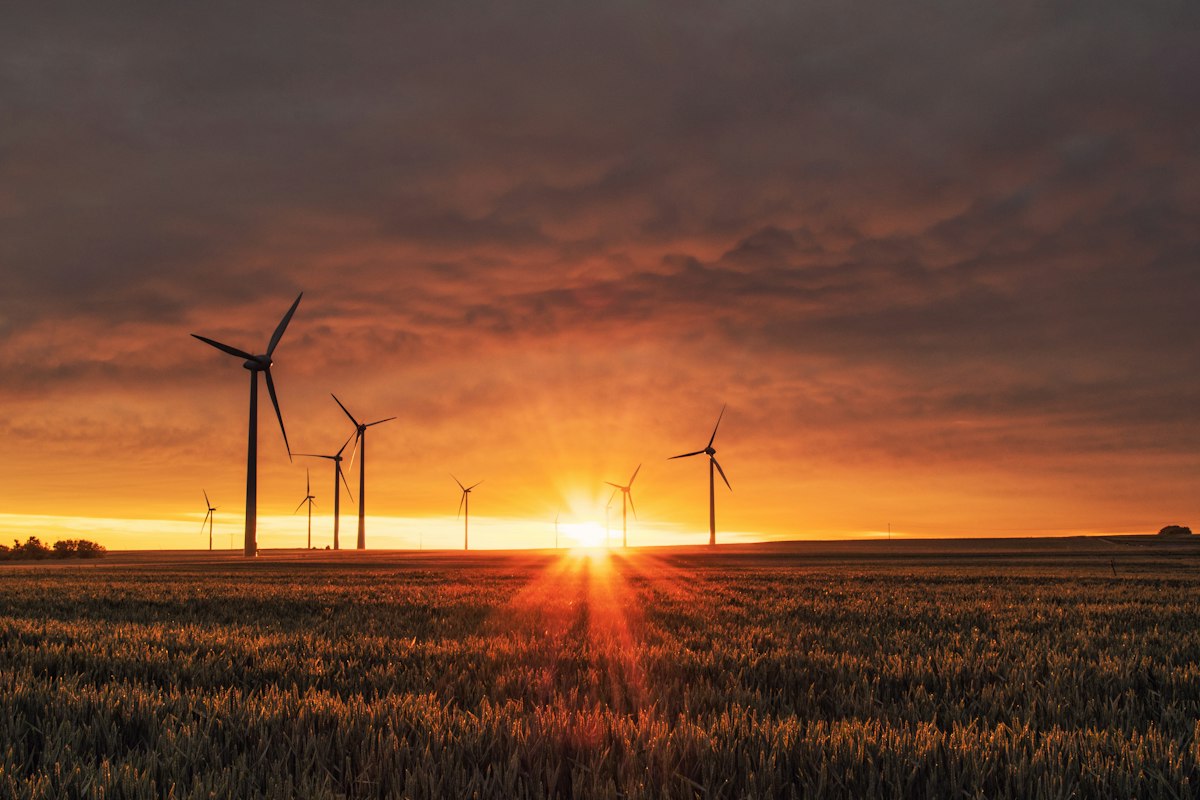
In the heart of Texas, the expansion of wind energy projects has sparked significant backlash from local communities. Recent proposals to construct new wind farms in areas such as Erath County and Cooke County have raised concerns over environmental impact, property values, and the aesthetic landscape.
Residents in Erath County have organized grassroots efforts to oppose the construction of a 200 MW wind farm by Invenergy, citing potential disruptions to wildlife habitats and an increase in noise pollution. Local resident Marilyn Hightower remarked, "We want to support renewable energy, but not at the expense of our homes and our health. We deserve to have a say in what happens in our own backyards."
Community meetings have attracted hundreds of concerned citizens, with many expressing fears that the influx of industrial-scale wind energy will negatively impact their rural way of life. In Cooke County, citizens have formed a coalition called Protect Our Land, which is actively lobbying against the proposed projects.
The backlash comes at a time when Texas is looking to double its wind energy capacity by 2030, aiming to generate 50,000 MW of wind power. The push aligns with the state's commitment to renewable energy but has ignited a fierce debate over land use and property rights.
While state officials maintain that wind energy is essential for reducing carbon emissions and combating climate change, many residents feel overlooked by the planning process. John McGee, a spokesperson for the Texas Wind Energy Association, stated, "We understand the concerns of local communities, and we are working to ensure that development is done responsibly. However, we also need to meet our renewable energy goals."
The conflict has led to a series of legal battles, as residents seek to delay or block the wind farm projects through litigation. As the situation evolves, the outcome remains uncertain, with both sides digging in for a protracted struggle over the future of wind energy in Texas.
As the state grapples with balancing the benefits of renewable energy against local concerns, the dialogue between developers and communities is becoming increasingly critical. If the expansion of wind energy is to succeed, finding common ground will be essential to fostering a sustainable future.