
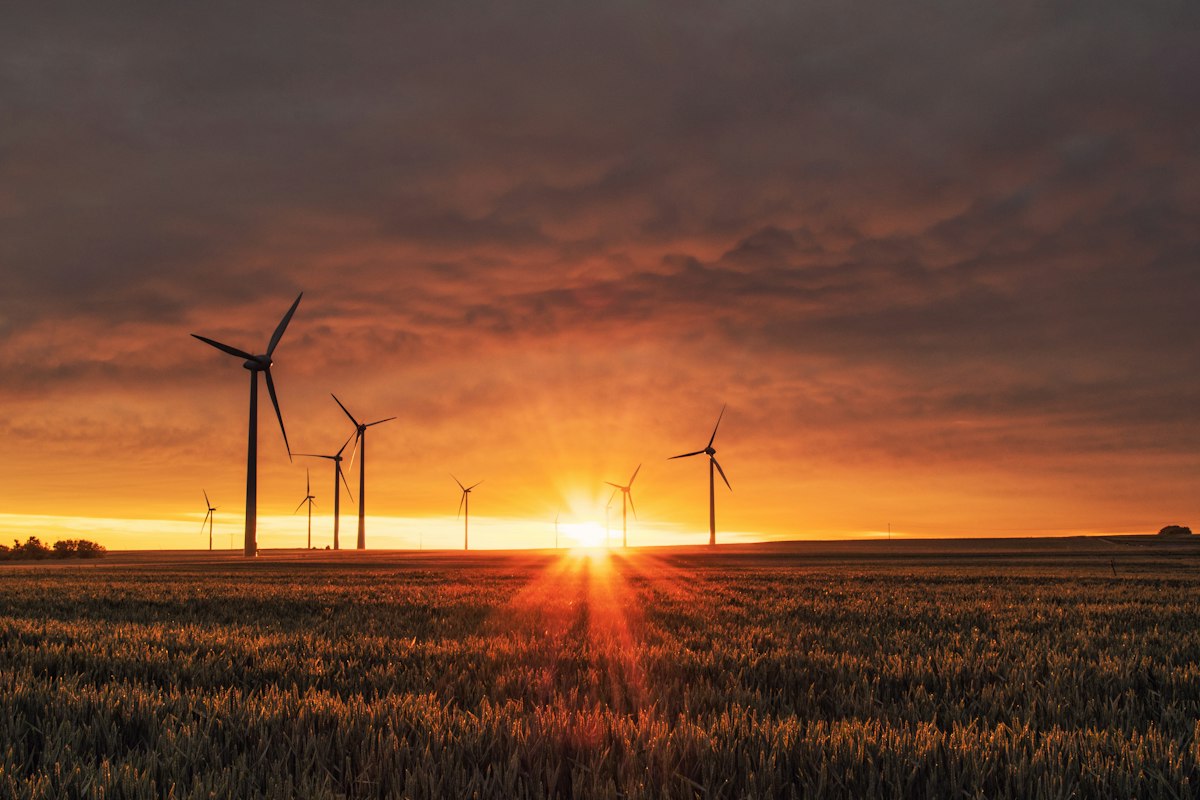
Texas, the nation's leading producer of wind energy, is facing regulatory hurdles that could impede the rapid expansion of new wind energy projects. A series of new regulations aimed at land use and environmental impact assessments is raising concerns among developers who fear these measures could delay crucial projects.
The Texas Wind Energy Association (TWEA) recently reported that the state installed 3,000 megawatts (MW) of new wind capacity in the first half of 2026. However, an additional 10,000 MW of proposed projects are currently delayed due to the new regulatory framework introduced by the Texas Commission on Environmental Quality (TCEQ).
“While we fully support environmental protections, the new regulations impose excessive delays and costs that threaten the viability of many projects,” explained Thomas Reed, Executive Director of TWEA. “Texas has always been a leader in wind energy, and we need to ensure our policies reflect that.”
Regulators argue that the updated rules are necessary to address the growing concerns over land use conflicts and the environmental impact of large wind farms. The TCEQ has mandated comprehensive environmental reviews for all new projects exceeding 100 MW, a move intended to ensure sustainable development.
As the deadline for many proposed projects looms, developers are racing to complete these assessments to avoid further delays. Companies such as NextEra Energy and Duke Energy are currently grappling with the enhanced regulatory scrutiny. NextEra, a major player in Texas wind development, stated that they are working closely with state agencies to navigate the new requirements.
Despite these challenges, the demand for wind energy remains robust. According to the U.S. Department of Energy, wind energy accounted for approximately 23% of Texas's power generation in 2025, and this number is expected to grow as more consumers and businesses seek renewable energy options.
The Texas Legislature is considering amendments to streamline the regulatory process for wind energy projects, aiming to balance environmental concerns with the needs of the renewable energy sector. “We must find a way to protect our environment while fostering the growth of renewable energy,” stated Senator Rachel Murphy, chair of the Senate Energy Committee.
As Texas continues to lead in wind energy production, the outcome of these regulatory discussions will be crucial for the state’s long-term renewable energy strategy.