
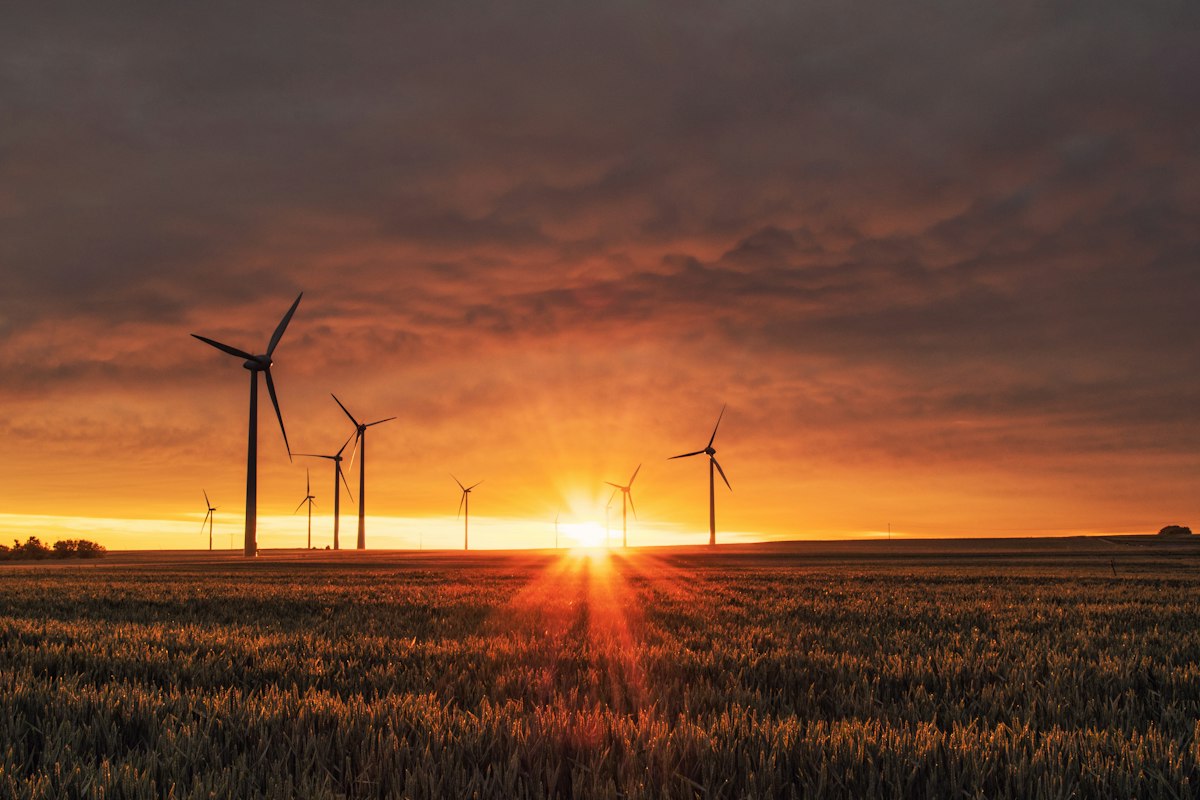
Despite its status as a leader in wind energy production, Texas is facing significant regulatory hurdles that may impede the future expansion of wind energy projects.
In recent months, several proposed wind farm developments have encountered opposition from local communities, citing concerns over environmental impacts and land use. The Texas Wind Energy Coalition reports that wind energy accounts for over 25% of the state's electricity generation, but local pushback poses a challenge to future growth.
In Amarillo, the proposed Palo Duro Wind Project, set to provide 300 megawatts of power, has faced delays due to opposition from local farmers and ranchers. Farmer John Smith expressed his concerns: "While I support renewable energy, I worry about how these wind farms will affect our land and wildlife. We need to find a balance between energy needs and environmental preservation."
The rising opposition has prompted the Texas Public Utility Commission to reconsider permitting processes for wind projects. Commissioner Rebecca Klein stated, "We need to ensure that the voices of local communities are heard while also advancing our renewable energy targets. Finding a compromise is essential for the future of wind energy in Texas."
The proposed changes to the permitting process could increase project timelines significantly. Experts estimate that the average permitting process could extend from six months to over a year, leading to potential financial implications for developers. Green Energy Solutions, a leading wind farm developer, has already expressed concerns about the impact these delays will have on its upcoming projects.
Despite these challenges, the wind energy sector remains optimistic about Texas's renewable energy future. The Texas Renewable Energy Association reports that wind energy could create an additional 50,000 jobs in the next five years if projects can move forward without significant delays.
As Texas strives to maintain its position as a national leader in renewable energy, the state must navigate the delicate balance between community concerns and the urgent need for sustainable power generation. The ongoing debate reflects the broader challenges faced across the country as renewable energy expands amidst local opposition.