
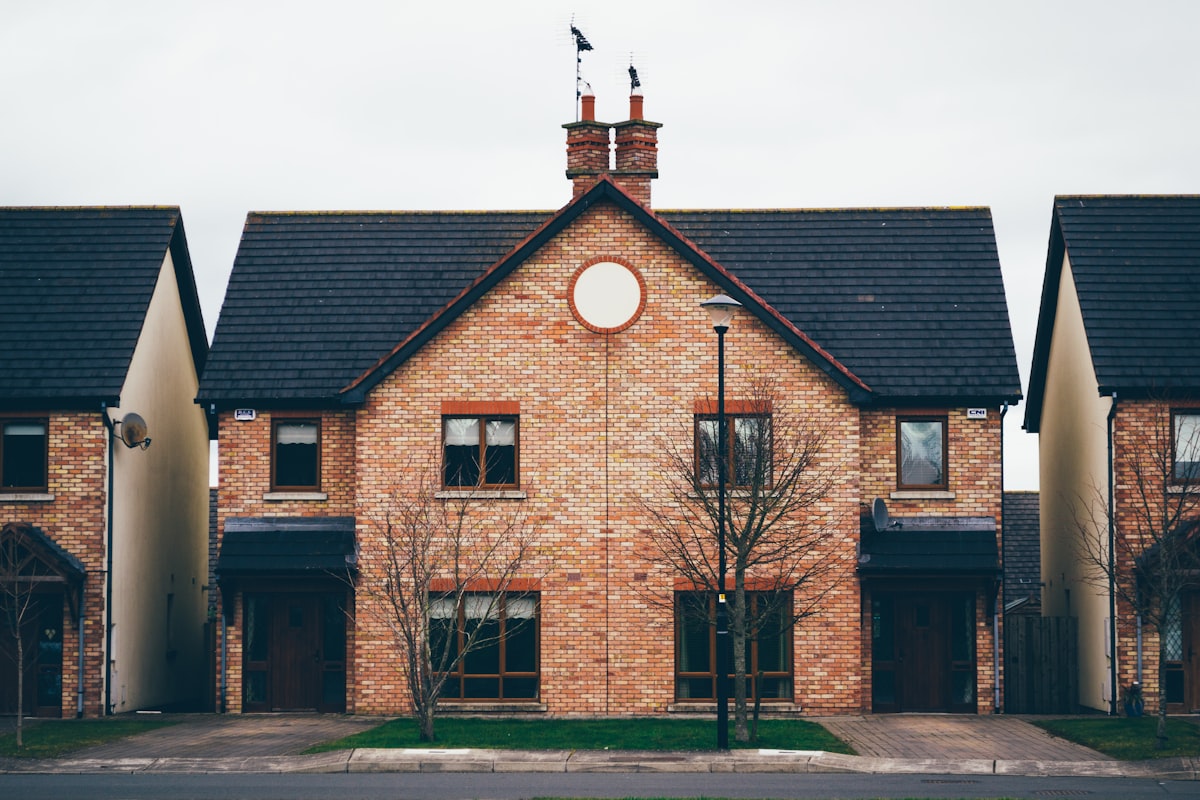
In recent years, Texas has seen a notable shift towards mixed-use developments, as urban planners and developers respond to evolving consumer preferences and a need for more integrated living spaces.
Cities like Dallas and Austin are leading this trend, with projects designed to blend residential, commercial, and recreational spaces, thereby creating vibrant communities that cater to a range of lifestyles. The concept of live-work-play developments is gaining traction, allowing residents to access amenities and workplaces within walking distance of their homes.
“Mixed-use developments are the future of urban planning in Texas,” said Robert Kim, a senior urban planner for the City of Dallas. “They foster community interaction, improve walkability, and contribute to economic growth.”
One notable project, the Southside on Lamar in Dallas, is an example of successful mixed-use integration, featuring residential units alongside retail shops and cultural spaces. Since its completion, it has become a model for future developments across the state.
According to a recent report by the Texas Urban Institute, mixed-use properties have seen a 25% increase in value compared to traditional single-use developments over the last three years. These properties not only attract young professionals but also cater to families seeking a dynamic lifestyle.
In Austin, the Domain has emerged as a premier mixed-use destination, offering high-end retail, office spaces, and luxury residences. Following the opening of several new restaurants and entertainment venues, the area has reported a 30% increase in foot traffic, further validating the success of this development model.
However, the rise of mixed-use communities is not without challenges. Developers must navigate zoning regulations and community opposition, which can slow project timelines. Nevertheless, the demand for such spaces continues to grow as residents seek more interconnected living environments.
As cities across Texas continue to evolve, the mixed-use development trend is expected to gain momentum, reshaping urban landscapes and redefining the way Texans live, work, and play.