
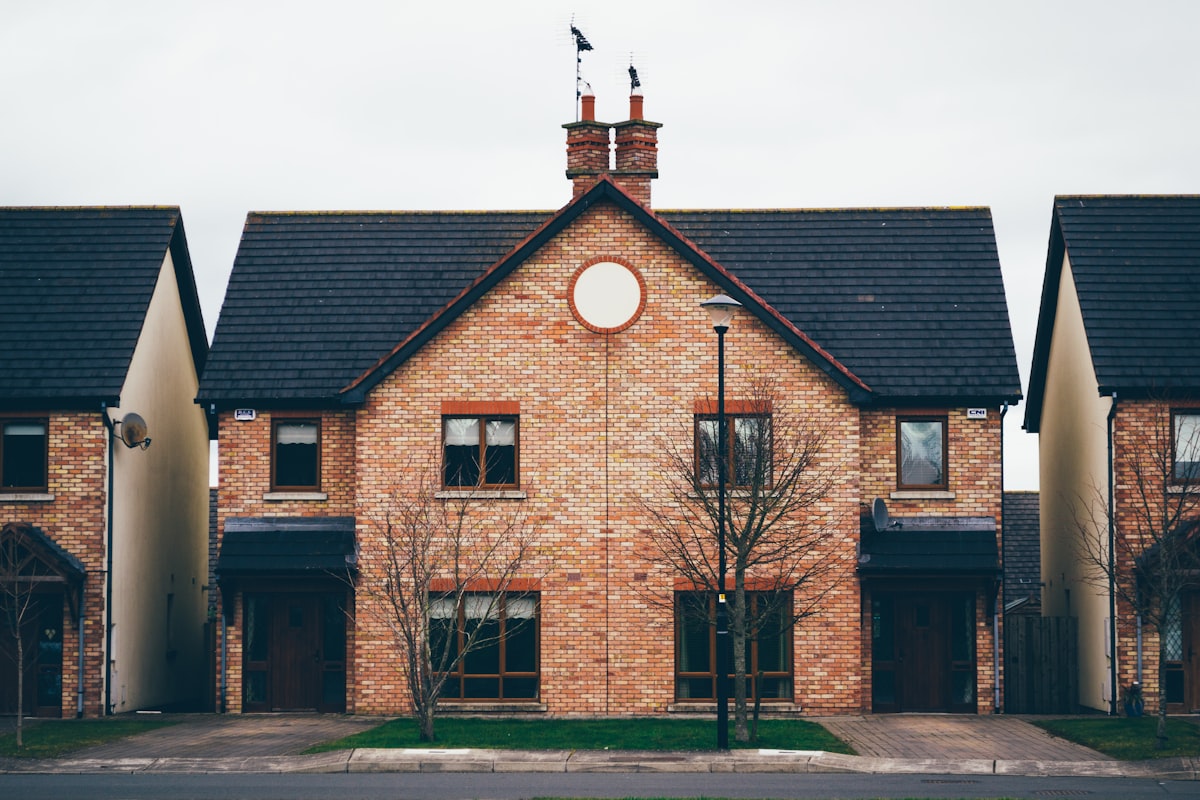
The push for mixed-use developments is increasingly shaping the urban landscape of Texas cities, combining residential, commercial, and recreational spaces.
In 2026, cities like San Antonio and Fort Worth are at the forefront of this trend, with developers recognizing the demand for walkable communities that foster connection and convenience. A recent report from the Texas Urban Development Institute highlights that mixed-use developments accounted for nearly 25% of new construction permits issued in these cities over the past year.
“Mixed-use developments offer a holistic approach to urban living,” said Robert Lang, a planner with Urban Planning Associates. “They create vibrant communities where residents can live, work, and play without needing to rely on cars.”
In San Antonio, the historic Pearl Brewery project has emerged as a prime example of successful mixed-use development. The site includes residential apartments, boutique shops, restaurants, and cultural spaces, drawing both locals and tourists. The development has generated over $100 million in economic activity since its opening.
Fort Worth is also seeing significant mixed-use projects, such as the Trinity River Vision, which aims to revitalize the riverfront area by integrating parks, housing, and commercial spaces. The project is expected to attract an estimated 2 million visitors annually and create over 3,000 jobs once completed.
Despite the enthusiasm for mixed-use developments, challenges remain. Zoning regulations and community pushback can sometimes impede progress. “We need to ensure that these developments align with community values and needs,” noted Laura Jenkins, a Fort Worth city council member.
As urban populations continue to grow, the demand for mixed-use spaces is likely to rise. Developers are increasingly recognizing the importance of creating inclusive, sustainable communities that meet the needs of modern residents. In this evolving landscape, Texas cities are poised to take the lead in redefining urban living.