
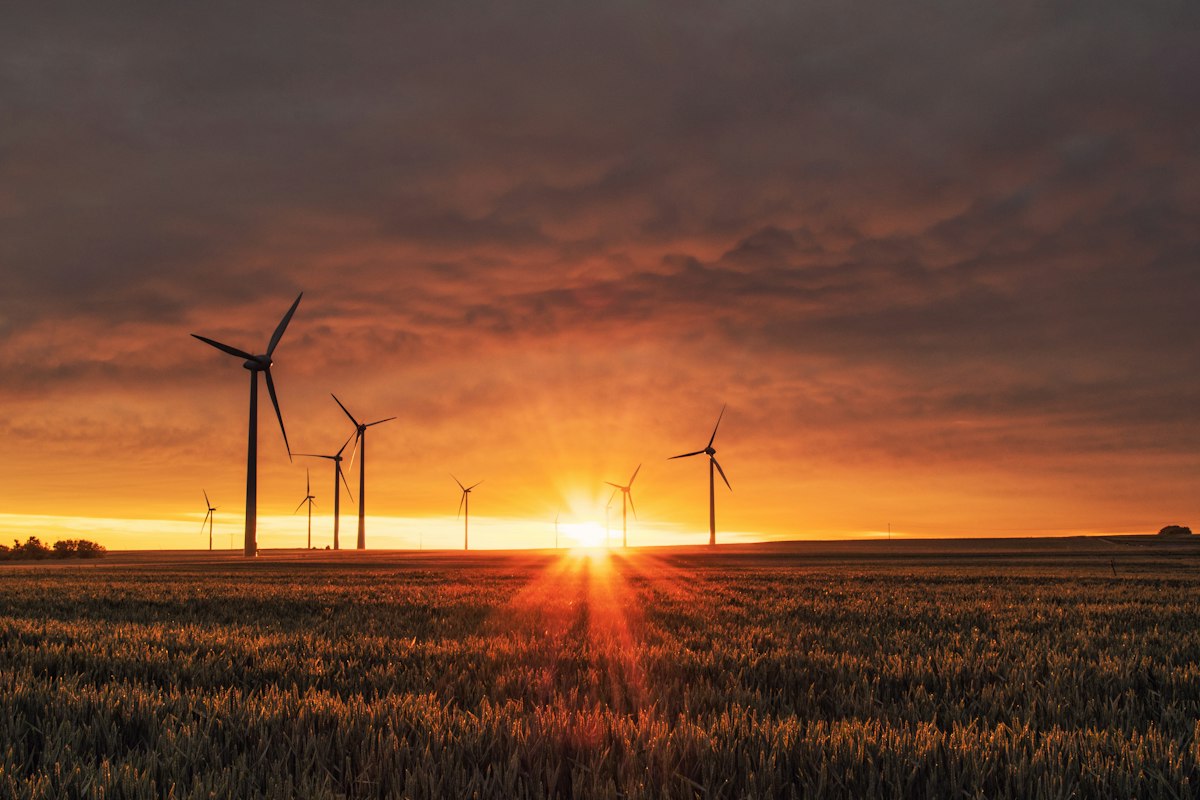
In a remarkable demonstration of its prowess in renewable energy, Texas is on track to achieve record levels of wind energy generation by the end of 2026.
According to the latest report from the Electric Reliability Council of Texas (ERCOT), wind energy generation is projected to reach 35% of the state’s total energy mix this year, largely driven by new installations and favorable weather conditions. As of August 2026, Texas boasts more than 36,000 megawatts of installed wind capacity, making it the clear leader in the nation.
The recent commissioning of the 1,000-megawatt Purple Sky Wind Farm in West Texas—developed by NextEra Energy—marks a significant milestone. This $1.2 billion investment is expected to generate enough electricity to power more than 300,000 homes. “We are thrilled to be expanding our footprint in Texas,” said Laura Green, President of NextEra’s Texas Operations. “Wind energy is not just a renewable resource; it’s part of our commitment to a sustainable future.”
ERCOT also highlighted that wind generation has consistently outperformed expectations throughout the year, driven by strong winds and innovative technology improvements. The organization believes that Texas will surpass its previous record of 39,000 megawatt-hours of wind generation set in 2022.
This momentum has attracted a wave of investments from both domestic and international firms, with companies like Siemens Gamesa and GE Renewable Energy expanding their operations in the Lone Star State. As the demand for green energy escalates, Texas is becoming a hub for wind turbine manufacturing and technology development.
The increase in wind energy generation also aligns with Texas’s broader environmental goals, which aim to reduce greenhouse gas emissions by 30% by 2030. “The transition to wind energy is essential for achieving our climate targets,” commented Maria Lopez, head of the Texas Clean Energy Coalition. “As we invest in renewable resources, we are not only protecting our environment but also enhancing our economy.”
However, as the state pushes forward, challenges remain. The expansion of wind farms has faced local opposition in some areas, with communities voicing concerns over land use and noise pollution. Nevertheless, state officials are working to address these issues through community engagement and education about the long-term benefits of wind energy.
As Texas continues to leverage its abundant natural resources, the wind energy sector is poised to play a pivotal role in the state’s overall energy strategy. With the potential for record-breaking generation on the horizon, Texas is cementing its reputation as a leader in renewable energy.