
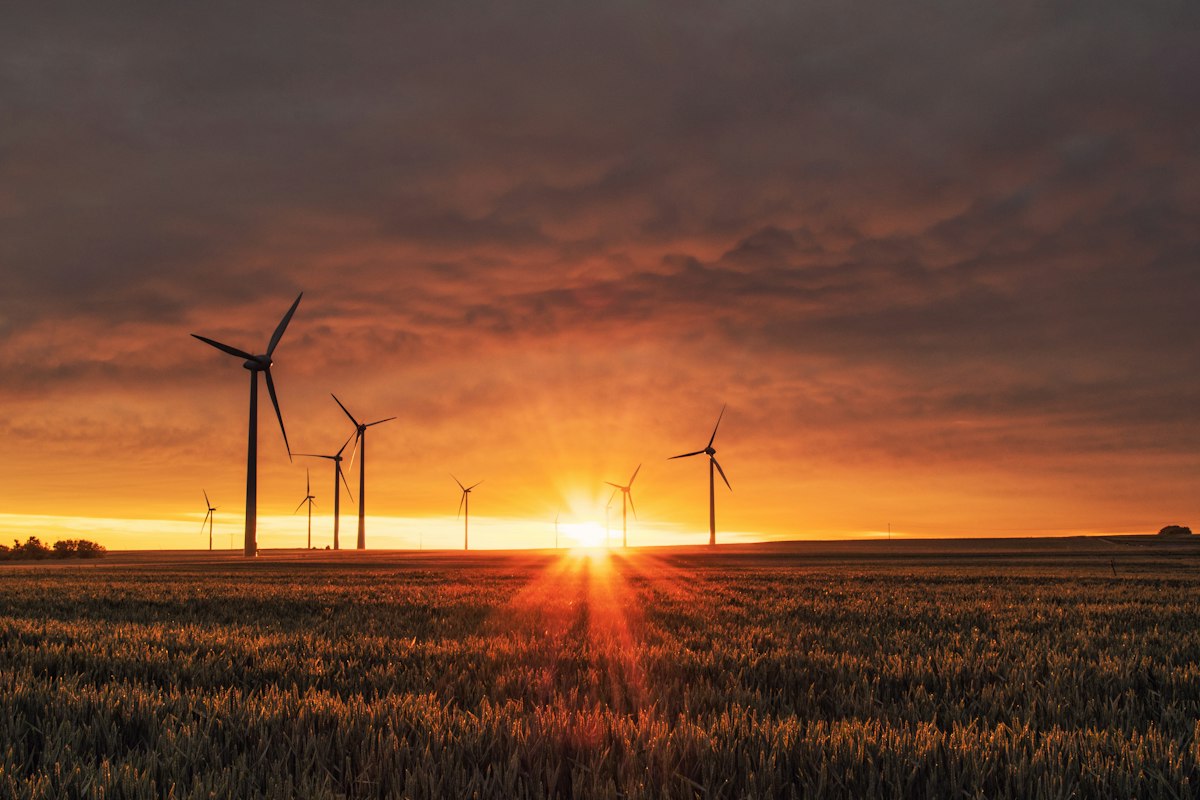
As Texas continues to lead the nation in wind energy production, the sector faces new challenges stemming from regulatory changes and evolving market dynamics.
With more than 30,000 megawatts of installed wind capacity, Texas generates about 25% of the nation's total wind energy. However, recent changes in federal energy policies and local zoning laws have raised concerns among developers and operators.
In March 2026, the Federal Energy Regulatory Commission (FERC) introduced new guidelines aimed at integrating renewable energy sources into the existing grid. While the changes are intended to streamline the process, many industry experts argue that the regulations could hinder the growth of new wind projects.
“We support efforts to modernize the grid, but it’s crucial that regulations do not stifle innovation or development,” stated Mark Jones, Vice President of NextEra Energy Resources, a major player in Texas wind energy. “We need policies that encourage investment rather than create hurdles.”
Moreover, local resistance to new wind farm developments has been growing in areas such as Gonzales County and Karnes County, where residents express concerns about noise and aesthetic impacts. This has led to increased scrutiny during the permitting process, slowing down the construction of planned projects.
Despite these challenges, the Texas wind industry is not standing still. Companies are investing in research and development to improve turbine efficiency and reduce costs. The Wind Coalition reports that technological advancements have the potential to increase output by up to 15% in existing wind farms.
In addition, the Texas Public Utility Commission is considering measures to enhance grid flexibility and reliability, which could benefit wind energy producers in the long run. These measures include investments in storage technology and smart grid solutions aimed at accommodating fluctuating energy supplies.
As the industry grapples with these regulatory and market shifts, stakeholders remain optimistic about the future of wind energy in Texas. The state’s rich resources and existing infrastructure provide a strong foundation for continued growth, provided that challenges can be effectively addressed.
As Texas moves forward in its energy transition, the wind sector will need to navigate these complexities to maintain its leadership position in the renewable energy landscape.