
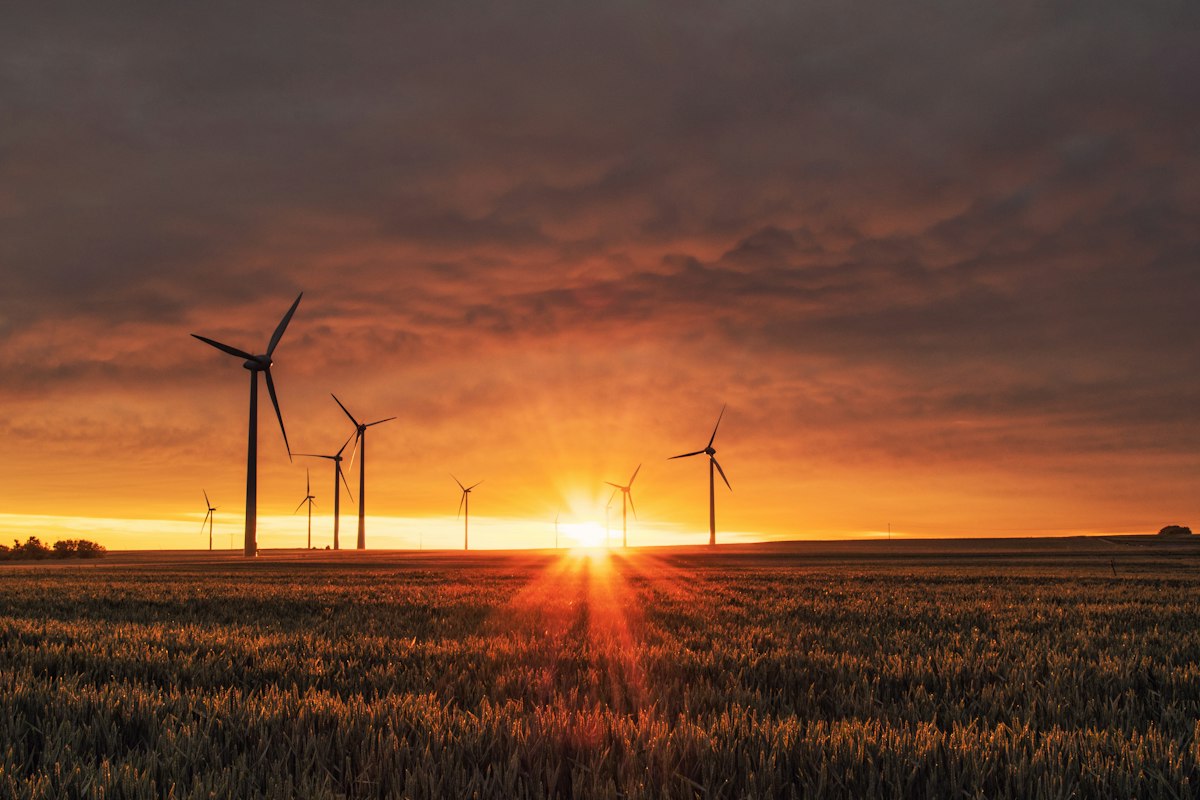
As of July 22, 2026, Texas has officially become the largest producer of wind energy in the United States, surpassing 40,000 megawatts (MW) of installed capacity.
The milestone comes at a time when wind energy is increasingly recognized as a critical component of the state’s energy portfolio, particularly in light of the ongoing expansion of electric vehicle (EV) infrastructure across cities like Dallas and San Antonio. The Texas Wind Energy Association (TWEA) reports that wind energy accounts for approximately 25% of the state's total electricity generation, a figure that is projected to grow as demand rises.
“The growth of wind energy in Texas is a testament to our commitment to a diversified energy future. We are seeing more utility companies integrating wind into their energy mix,” remarked Tom Sullivan, Executive Director of the TWEA. “With the federal government’s support for renewables, we expect this trend to continue.”
Significant investments from companies like General Electric and Siemens Gamesa have bolstered the construction of new wind farms, particularly in the Panhandle region and the Gulf Coast. The state is currently home to over 50 operational wind farms, with plans for additional projects expected to break ground in the coming months, totaling an estimated $5 billion in investments.
In addition to traditional wind turbines, Texas is also pioneering advances in offshore wind technology. The recent approval of the first offshore wind project near Corpus Christi is anticipated to generate up to 3,000 MW of clean energy, which is enough to power approximately 1 million homes.
The rapid expansion of wind energy not only addresses growing electricity needs but also contributes significantly to job creation. The TWEA estimates that the wind sector has created over 25,000 jobs in Texas since 2020, providing opportunities for skilled workers in regions heavily dependent on oil and gas.
Nevertheless, challenges such as transmission bottlenecks and regulatory hurdles remain. To effectively deliver wind energy from rural areas to urban centers, significant upgrades to the grid infrastructure are needed.
As Texas continues to lead in wind energy, the focus will shift toward overcoming existing challenges while capitalizing on the vast potential of this renewable resource to meet both current and future energy demands.