
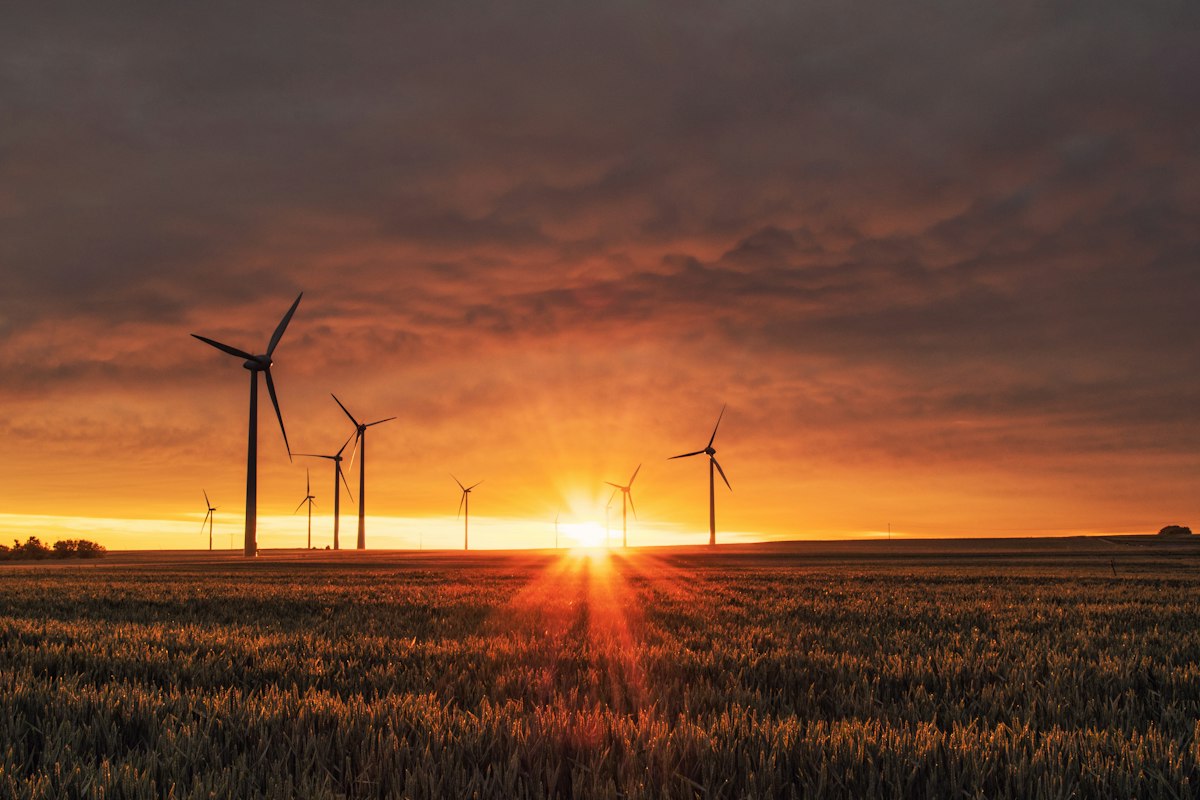
As of July 2026, federal tax incentives for renewable energy have spurred an unprecedented expansion of wind farms across Texas, positioning the state as a frontrunner in the wind energy sector.
This year, Texas has added over 4 GW of wind energy capacity, bringing the total to nearly 40 GW. Thanks to the Investment Tax Credit (ITC) and the Production Tax Credit (PTC), funding for new projects has increased dramatically. The U.S. Department of Energy reports that Texas wind energy jobs have grown by 15% since last year, with over 100,000 residents now employed in the sector.
San Antonio-based CPS Energy recently announced a partnership with Siemens Gamesa to develop a new wind farm in the Texas Panhandle, which is expected to generate over 1 GW of clean energy by 2027. “This project illustrates our commitment to expanding renewable energy and supporting local job creation,” remarked Paula Gold-Williams, President and CEO of CPS Energy.
The expansion of wind capacity is not only beneficial for the environment but also crucial for energy competitiveness. The Texas Public Utility Commission forecasts that wind energy could account for up to 25% of the state's energy mix by 2030, reducing reliance on fossil fuels.
However, challenges remain. Local communities have raised concerns about the impact of wind turbines on landscapes and wildlife. Environmental groups are pushing for studies on the ecological effects, and the state has initiated a comprehensive review process to address these concerns.
“The growth of wind energy must be balanced with environmental stewardship,” said Chris McCoy, Director of Texas Audubon Society. “We need to ensure that our commitment to renewable energy does not come at the cost of our natural resources.”
As Texas moves forward with its wind energy initiatives, collaboration among stakeholders—government, industry, and environmental advocates—will be vital to ensure sustainable growth that benefits both the economy and the ecosystem.