
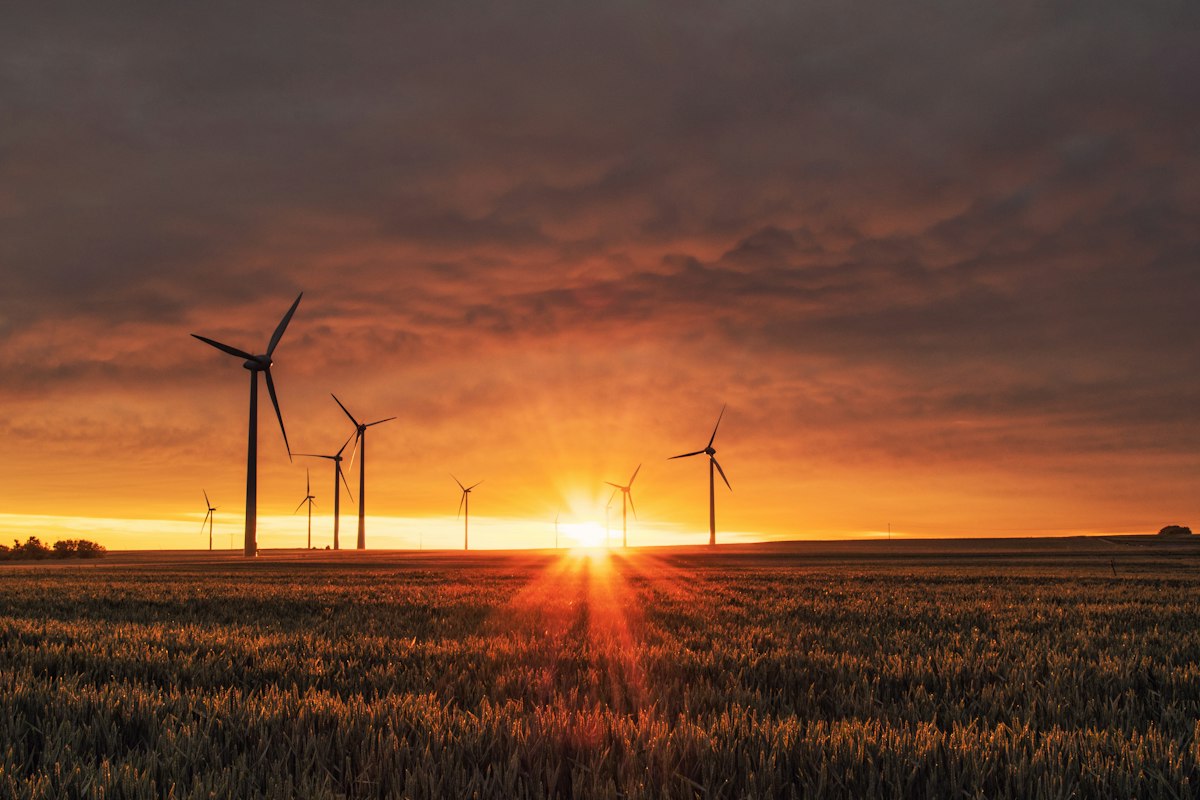
Texas wind farms are setting new production records, underscoring the state's transition towards renewable energy sources.
On July 4, 2026, the U.S. Department of Energy reported that wind energy generation in Texas reached an all-time high of 33,000 MW, accounting for over 50% of the state's energy mix during peak hours. This milestone showcases Texas's leadership in wind energy and its commitment to renewable resources.
Major players, such as NextEra Energy and Siemens Gamesa, have invested billions in wind farm projects across the state, particularly in regions like West Texas and the Panhandle. These investments have resulted in the construction of new wind farms and the refurbishment of existing ones, enabling the state to harness its abundant wind resources more effectively.
“This achievement reflects our dedication to sustainable energy solutions and the hard work of the teams behind these projects,” remarked Tom Donahue, a regional manager for NextEra Energy.
The state’s wind energy capacity has almost doubled since 2018, driven by favorable policies and incentives that encourage renewable energy development. With the federal government offering tax credits for renewable projects, many companies are doubling down on their investments.
Alongside wind, solar power is also on the rise, with estimates suggesting that solar installations in Texas could triple by 2028. This surge in renewable energy generation is expected to create thousands of jobs and stimulate local economies.
Environmentalists are praising these developments, as they could significantly reduce Texas's carbon footprint. However, some critics argue that further regulatory support is needed to maintain the momentum of renewable growth.
“The state has made great strides, but we need to ensure that we are not only investing in capacity but also in the infrastructure to support it,” said Lisa Jones, an environmental policy expert.
As Texas continues to lead the nation in wind energy production, the implications for the energy market are profound. The shift towards renewables not only aligns with national energy goals but also positions Texas as a model for other states aiming to embrace cleaner energy solutions.