
As Texas faces record-high temperatures this summer, the state's wind energy sector is experiencing an unprecedented boost, with wind turbines generating more than 30% of the state's energy needs in July.
According to the Electric Reliability Council of Texas (ERCOT), wind energy production has reached an all-time high of 17,500 megawatts in early July, surpassing the previous record set in 2022 by nearly 1,000 megawatts. This surge comes as temperatures in cities like Dallas and Houston have soared above 105 degrees Fahrenheit, driving electricity demand to historically high levels.
"The wind resource has been exceptional this year, and our investment in wind infrastructure is clearly paying off," said Bill Magness, ERCOT's former CEO. He noted that the increase in wind generation has provided much-needed relief to Texans during this heat wave and helped stabilize the grid.
The state of Texas has been at the forefront of wind energy development, with more than 30,000 megawatts of installed capacity. Major players in the market, such as NextEra Energy and Duke Energy, have ramped up their investments in wind farms across the state, particularly in regions like the Texas Panhandle and West Texas, where wind resources are abundant.
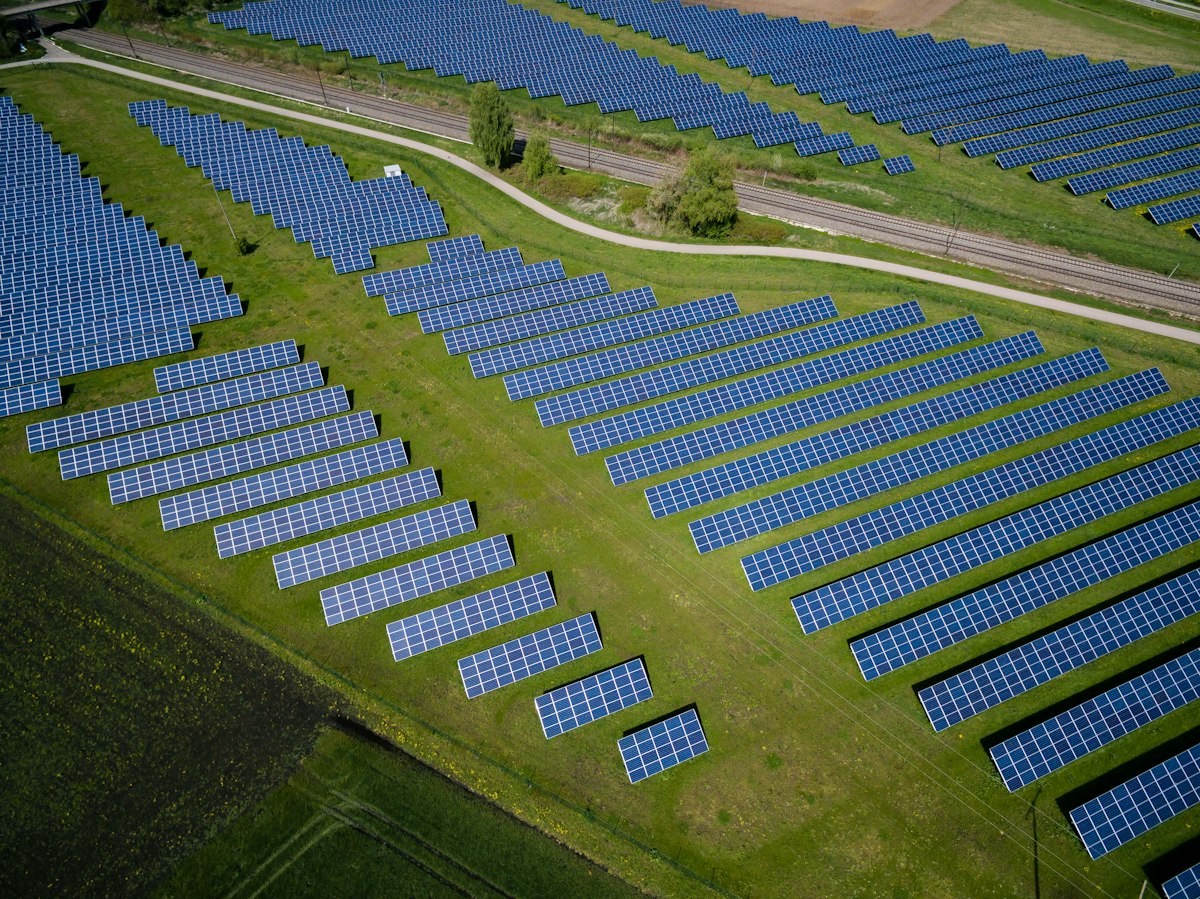
In addition to wind, solar energy is also playing a crucial role in meeting the state's electricity demands. ERCOT reported that solar generation has reached record levels as well, contributing significantly during the peak demand hours of the afternoon. Together, these renewables are helping Texas transition towards a more sustainable energy future.
As the state grapples with the impacts of climate change, the ability to harness wind and solar energy effectively is becoming increasingly vital. However, challenges remain, including the need for enhanced energy storage solutions and grid improvements.
Despite the success of renewable energy sources, some lawmakers and industry experts express concern over the continued reliance on fossil fuels, especially natural gas, to provide backup during periods of low wind and solar generation. "We can’t forget that natural gas remains a critical part of our energy mix, especially in extreme weather conditions," said Dr. Sarah McKenzie, an energy policy expert at the University of Texas at Austin.
Looking ahead, Texas aims to bolster its renewable energy capacity with ambitious targets set for the coming years, including a goal of reaching 50% renewable energy by 2030. As the state continues to innovate and adapt, its position as a leader in the energy sector remains unchallenged.