
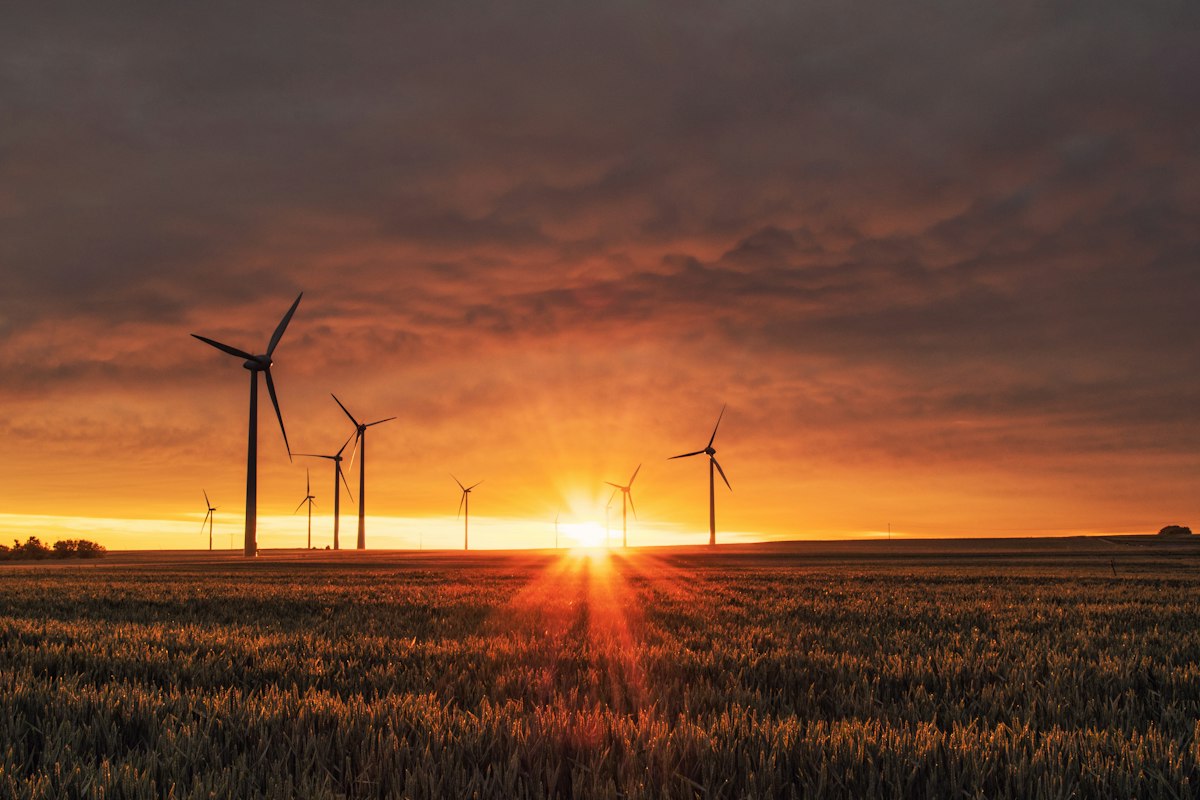
The burgeoning wind energy sector in Texas is facing increasing regulatory scrutiny as lawmakers grapple with the balance between growth and environmental concerns.
In July 2026, several new regulations were introduced aimed at mitigating the environmental impact of wind farms, particularly concerning migratory bird and bat populations. The legislation, championed by environmental advocacy groups, has raised concerns among wind energy developers about potential slowdowns in project approvals.
Texas currently leads the nation in wind energy production, with over 36 GW of installed capacity as of mid-2026. However, the new regulations could delay the construction of planned projects by up to two years, according to estimates from the Texas Wind Coalition.
“While we all agree on the importance of protecting wildlife, these new rules could significantly hamper our ability to meet Texas’ renewable energy goals,” stated Laura Gomez, Executive Director of the Texas Wind Coalition. “We need a balanced approach that allows for both environmental protection and energy development.”
In response to these regulatory challenges, several companies, including NextEra Energy and Duke Energy, are investing in research to develop wind turbines that are less harmful to wildlife. Recent advancements in turbine technology have shown promise in mitigating risks to avian species, and companies are hopeful that these innovations will align with the new regulatory framework.
Additionally, the recent fluctuations in natural gas prices have created a more competitive landscape for wind energy. As natural gas prices soar, wind energy presents a cost-effective alternative, with companies reporting that wind power is now up to 40% cheaper than natural gas in some regions of Texas.
Despite the regulatory headwinds, the long-term outlook for Texas wind energy remains positive, with industry analysts forecasting a compound annual growth rate of 10% through 2030. “We believe that with the right policies and innovations, Texas can continue to lead the wind energy revolution in the U.S.,” added Gomez.