
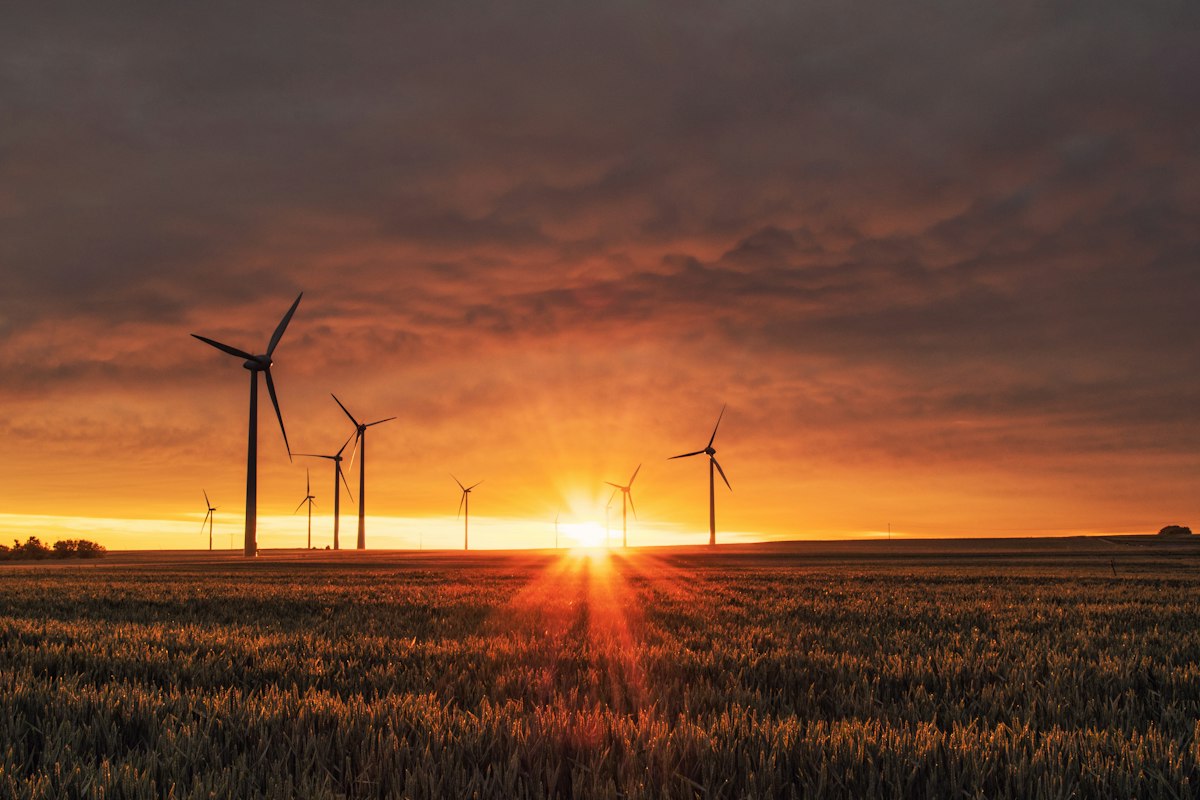
Texas has cemented its status as the wind energy capital of the United States, with installed wind capacity surpassing 35,000 MW as of July 2026, positioning the state for future renewable energy dominance.
The state's expansive plains and favorable wind conditions have enabled Texas to harness wind power more effectively than any other state. In recent months, investments in wind projects have accelerated, with companies such as NextEra Energy and Invenergy announcing new wind farms set to generate an additional 3,000 MW by 2027.
The Texas Renewable Energy Industries Alliance (TREIA) has reported that the state's wind energy production now accounts for over 25% of Texas's overall electricity generation, a figure that continues to climb steadily. This increase can be attributed to a combination of favorable federal policies, local incentives, and technological advancements that have made wind energy more cost-competitive.
"Texas has become a model for wind energy development, showcasing how a favorable regulatory environment can stimulate investment and innovation," remarked Tom Hesse, Executive Director of TREIA. "The future looks bright as we continue to expand our wind resources, creating jobs and promoting economic growth in rural areas."
The state’s wind farms, particularly those located in the Panhandle region and areas near Abilene, have not only bolstered the energy grid but also provided substantial economic benefits. According to the American Wind Energy Association, wind power supports over 150,000 jobs in Texas, generating approximately $10 billion in investment annually.
With the prospect of further federal support for renewable energy, coupled with increasing demand for clean energy solutions, Texas is poised to remain at the forefront of the wind energy revolution. The recent passage of the Inflation Reduction Act has extended tax credits for wind projects, ensuring that investment momentum continues.
As Texas continues to innovate and invest in its wind energy capacity, stakeholders are optimistic that the state will not only meet its energy needs but will also play a pivotal role in the broader transition to sustainable energy.