
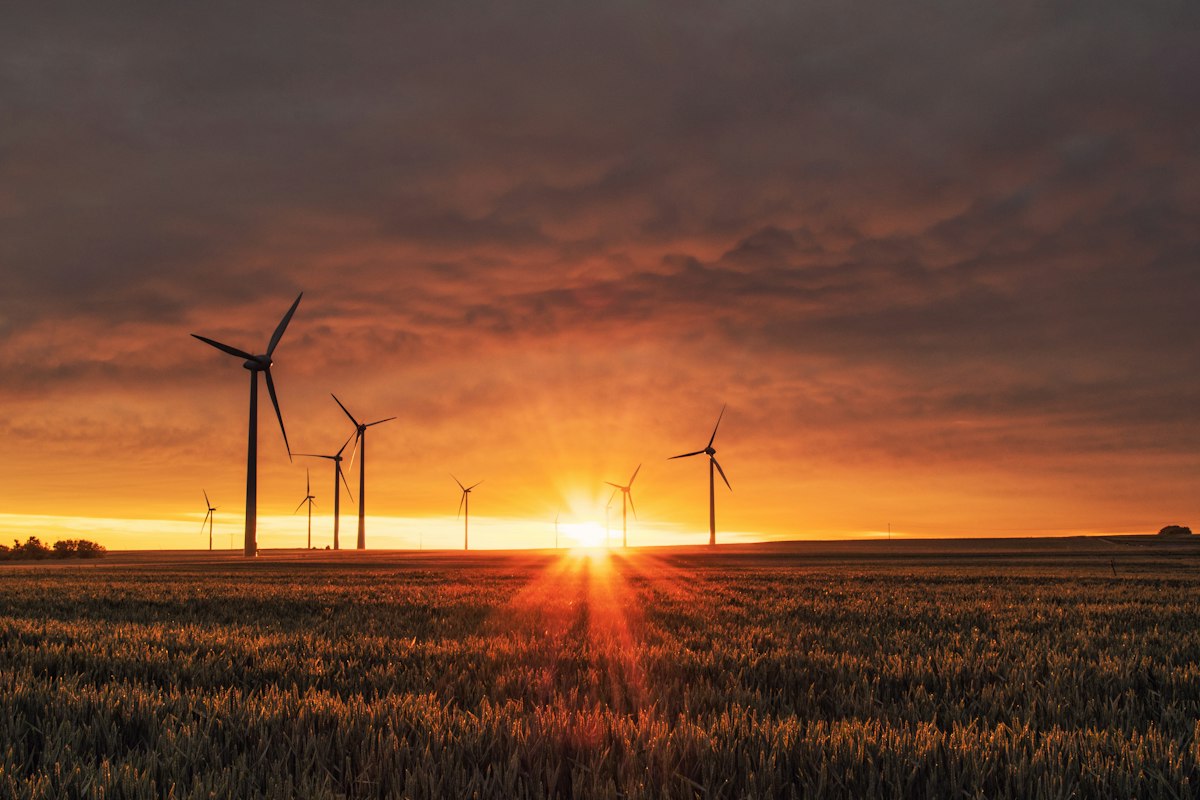
As of August 2026, wind energy projects in Texas are gaining unprecedented momentum, thanks in large part to renewed federal support and favorable local policies.
The U.S. Department of Energy has allocated over $2 billion in grants and tax incentives to promote the development of wind energy across the nation, with Texas set to receive a substantial portion of these funds. The state, which already generates more wind energy than any other in the country, is poised for a significant expansion of its wind turbine capacity.
Companies like Invenergy and Pattern Energy have announced plans to invest heavily in new wind farms in the Texas Panhandle, which is known for its ideal wind conditions. Invenergy's latest project, slated to begin construction in early 2027, is expected to add an additional 1.5 GW of capacity to the grid.
“We are committed to expanding our footprint in Texas, where the wind resource is incredibly strong and reliable,” said Tom McCarthy, CEO of Invenergy. “This project will not only enhance the energy mix in Texas but also create hundreds of jobs for local communities.”
The recent surge in wind energy projects comes at a crucial time, as Texas aims to meet its growing energy demand while transitioning to more sustainable sources. With wind accounting for approximately 25% of the state’s energy generation, the expansion is seen as essential for achieving long-term energy stability.
However, as projects multiply, so do concerns regarding land use and ecological impacts. Local communities are increasingly voicing their opinions on the placement of new wind farms, prompting developers to engage in more extensive environmental assessments.
In addition to state-level investments, the federal government’s commitment to clean energy has also rekindled interest in offshore wind projects along the Texas coast, with preliminary studies suggesting substantial potential for energy generation.
The burgeoning wind sector is expected to play a pivotal role in Texas’s energy strategy moving forward, aligning with state objectives to reduce carbon emissions by 25% by 2030 and transition to a greener energy economy.