
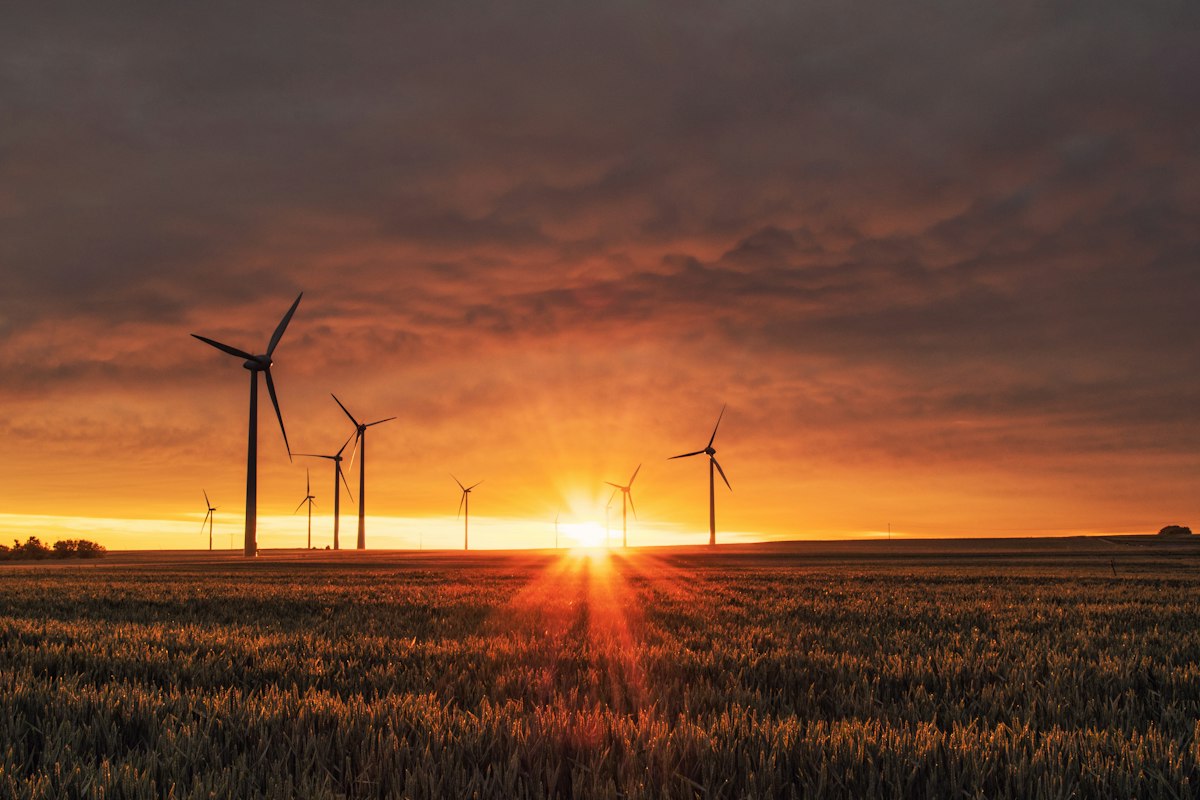
As of July 2026, Texas's wind energy production has seen unprecedented growth, generating over 30% of the state’s electricity, even as drought conditions threaten traditional energy sources.
With the ongoing drought affecting natural gas output, the state has turned to its robust wind energy infrastructure, which has proven to be a lifesaver during peak demand. The Electric Reliability Council of Texas (ERCOT) reported that wind energy output reached a record 30,000 megawatts (MW) on several occasions this summer.
“The resilience of Texas's wind energy sector has never been more apparent,” said Michael Rodriguez, ERCOT's Senior Director of Operations. “As we face challenges in our water-dependent energy production methods, wind has stepped up to fill the gap.”
In light of this surge, companies such as NextEra Energy and Invenergy are rushing to expand their wind farm operations across the Panhandle and West Texas regions. These expansions could lead to an additional 5,000 MW of wind energy capacity by the end of 2027.
While the increase in wind energy generation is welcomed, it also brings challenges. The intermittent nature of wind energy requires the state to invest in storage solutions and grid enhancements to ensure reliability. According to a report by the Texas Energy Storage Association, investment in battery storage systems increased by 60% in the first half of 2026.
Moreover, local communities are engaging in discussions about the long-term impact of expanding wind farms, including environmental and noise concerns. Laura Jenkins, a resident of Lubbock, expressed, “While I appreciate the benefits of renewable energy, the noise from the turbines can be disruptive. We need to ensure that community voices are heard in this transition.”
As Texas continues to lead the nation in wind energy production, stakeholders are eager to explore solutions that maximize benefits while addressing community concerns. Industry experts assert that ongoing collaboration between energy companies and local communities will be essential in navigating this evolving landscape.
Looking ahead, the future of wind energy in Texas looks promising. With continued investment and innovation, the state is well-positioned to maintain its status as a leader in renewable energy production, providing an essential buffer against climate-related challenges.