
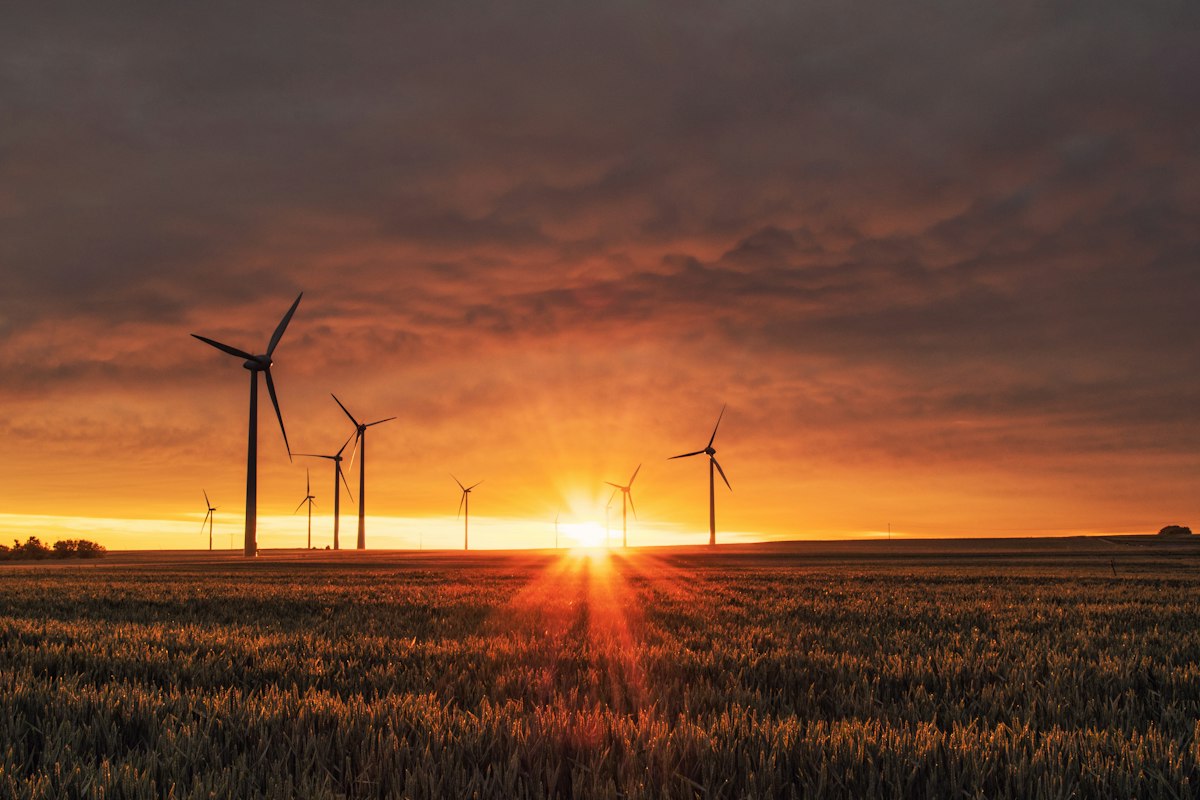
Texas has officially set a new record for wind energy production, surpassing 30,000 megawatts of installed capacity in early August 2026. This milestone can be attributed to both technological advancements in turbine efficiency and substantial investment from the private sector.
The Electric Reliability Council of Texas (ERCOT) announced that wind energy accounted for nearly 50% of the state's energy generation on several days during the recent heatwave, a remarkable feat for a state historically dominated by fossil fuels. Wind generation exceeded 15,000 megawatts on one particularly windy day, supplying power to over 4 million households.
"This is a testament to Texas's commitment to diversifying its energy portfolio and moving towards a more sustainable future," commented Dr. Emily Johnson, a senior analyst at ERCOT. "As technology continues to improve, we can expect even greater contributions from renewable sources in the years to come."
Major players in the wind industry, such as Siemens Gamesa and GE Renewable Energy, have stepped up their investment efforts in Texas, establishing new manufacturing plants and expanding existing facilities. In 2025, Siemens Gamesa announced a $300 million investment to build a new turbine manufacturing facility in Fort Worth, expected to create over 1,000 jobs.
The growth of wind energy in Texas not only reflects the state’s commitment to renewable energy but also highlights the economic benefits associated with such investments. According to the American Wind Energy Association, the wind sector currently employs more than 30,000 Texans and is projected to grow significantly as more projects come online.
Moreover, the increasing reliance on wind energy is playing a crucial role in meeting Texas’s ambitious goal of achieving 50% renewable energy by 2030. As part of this initiative, state officials have emphasized the need for further investment in grid infrastructure to support the growing renewable capacity.
The effects of these advancements are becoming visible not only in the energy sector but also within local economies. Cities like Lubbock and Abilene are experiencing economic booms, with new jobs created in manufacturing and maintenance roles for wind energy projects.
Despite the encouraging developments, some challenges remain. As more wind farms come online, there is a pressing need to address transmission issues and ensure that electricity generated in rural areas can be efficiently transported to urban centers. State officials are prioritizing infrastructure improvements to mitigate these challenges.
With technological innovations and a commitment to sustainable practices, Texas is not only solidifying its position as a national leader in wind energy but is also setting an example for other states striving to balance energy needs with environmental responsibilities.