
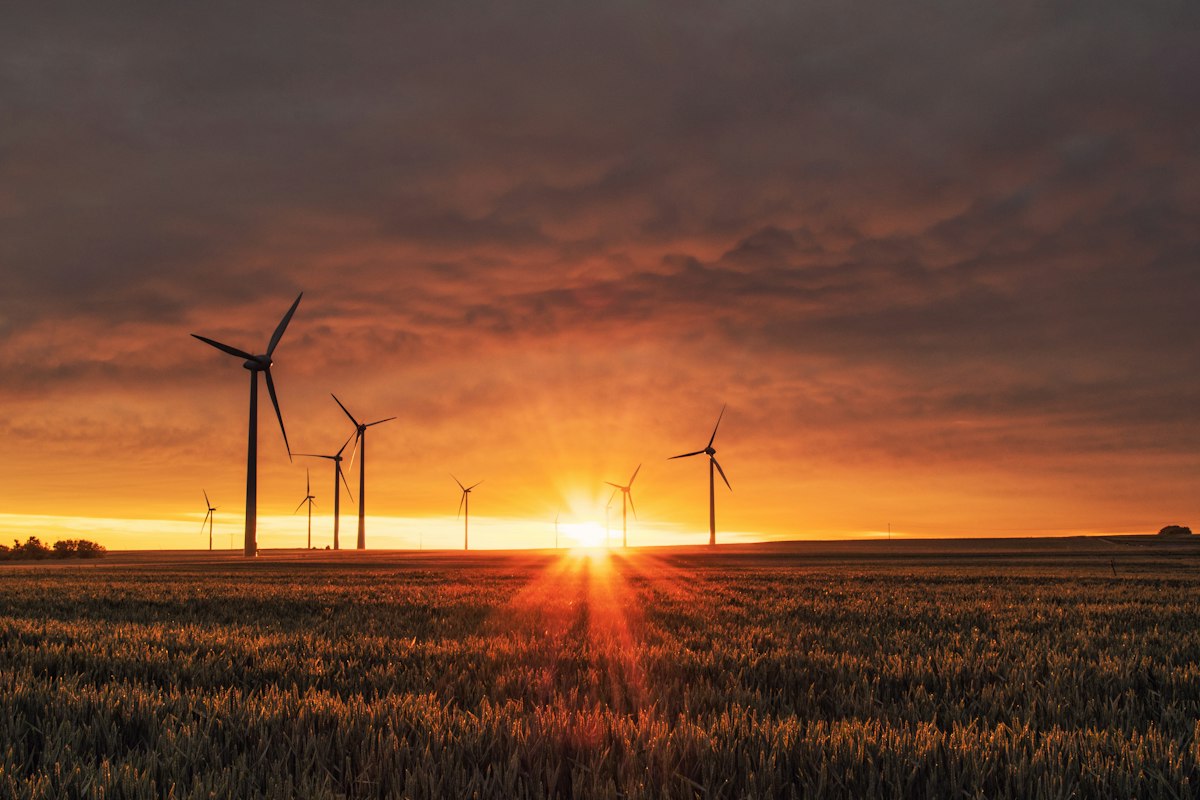
Texas continues to solidify its status as the leading state for wind energy production as investments in innovative technology drive efficiency and capacity growth. By mid-2026, Texas wind farms generated approximately 35 GW of electricity, accounting for over 25% of the state’s total energy generation and establishing Texas as a powerhouse in the renewable sector.
The American Wind Energy Association (AWEA) reported that Texas wind production increased by 30% in the past year alone, attributed to advancements in turbine technology and expanded infrastructure. New, larger turbines capable of producing more than 3 MW each have been installed across the Panhandle region, optimizing energy generation potential.
Fort Worth-based company, WindWorks, has been at the forefront of this technological shift. CEO James Carter stated, "As we innovate and improve turbine efficiency, we are able to harness the Texan winds more effectively than ever. Our aim is not only to supply energy but to lead Texas into a sustainable future." WindWorks recently announced a partnership with the state government to invest $1.2 billion in new wind farm projects in West Texas.
The growth of wind energy in Texas aligns with the state’s broader commitment to reducing greenhouse gas emissions. The Texas Legislature approved a bill in 2025 mandating that 50% of the state's energy generation must come from renewable sources by 2030. This legislation has spurred interest from investors looking to fund sustainable projects.
Local governments are also playing an integral role in fostering wind energy development. In Lubbock, officials have announced plans to construct a wind farm capable of generating an additional 500 MW. This project, expected to be completed by early 2027, will not only contribute to the local grid but also create over 1,000 jobs during its construction phase.
Challenges remain as well, especially concerning the transmission infrastructure needed to support increased wind energy generation. The Electric Reliability Council of Texas (ERCOT) is currently evaluating upgrades to the grid to enhance its capacity in accommodating the surge in renewable energy. "Our focus is on ensuring that the grid remains stable and can handle the variability that comes with wind energy," said ERCOT spokesperson Sarah Thompson.
As Texas pushes further into the renewable energy arena, the state's wind energy sector is poised for continued growth. With projections indicating that wind capacity could double by 2030, Texas is not only leading the charge in renewable energy production but also establishing itself as a global leader in sustainable practices.