
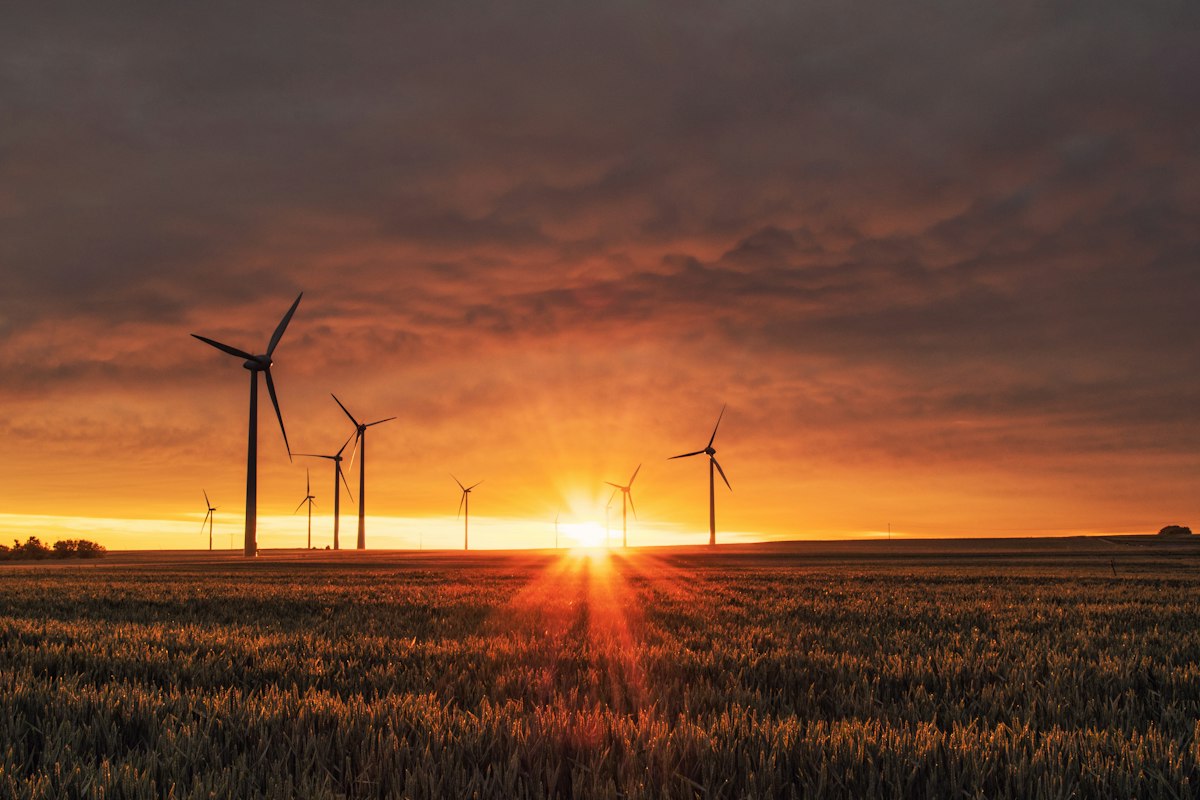
In a significant milestone for the renewable energy sector, Texas has become the leading state for wind energy investments in the United States, with capital inflows reaching $15 billion in 2026. This surge in investment is driven by increasing global demand for cleaner energy sources and the state’s favorable policies promoting wind energy development.
According to the American Wind Energy Association (AWEA), Texas accounted for nearly 40% of all new wind installations last year, contributing to a total installed capacity of over 40 GW. Projects like the 1.5 GW Wind Catcher Energy Connection in the Texas Panhandle have exemplified the state's commitment to expanding its wind energy capabilities.
“Texas is at the forefront of the energy transition, and our investments in wind energy are a testament to our commitment to sustainability and innovation,” said AWEA CEO Tom Kiernan. “As global markets demand more clean energy, Texas is well positioned to deliver.”
Cities such as Lubbock and San Antonio are reaping the benefits of this wind boom, with local economies experiencing a surge in job creation. The Lubbock Economic Development Alliance reported that the wind energy sector has generated over 5,000 jobs in the region in the past year, while San Antonio is set to attract an additional $1 billion investment in new wind projects by 2027.
However, the rapid expansion of wind energy infrastructure has raised concerns regarding land use and environmental impact. Farmers and ranchers in rural areas have voiced opposition to large wind farms, citing worries about land degradation and aesthetic concerns.
“While we recognize the importance of renewable energy, we must ensure that local communities are considered in these developments,” said local rancher Maria Gonzalez, who has been vocal about the impact of wind farms on agricultural land.
In response, state legislators are exploring policies to facilitate better communication between wind developers and local stakeholders, aiming to address concerns while promoting investment in sustainable energy.
As Texas solidifies its status as the leader in wind energy, the state is also poised to play a crucial role in the global energy market, contributing to the fight against climate change while navigating the complexities of local impact.