
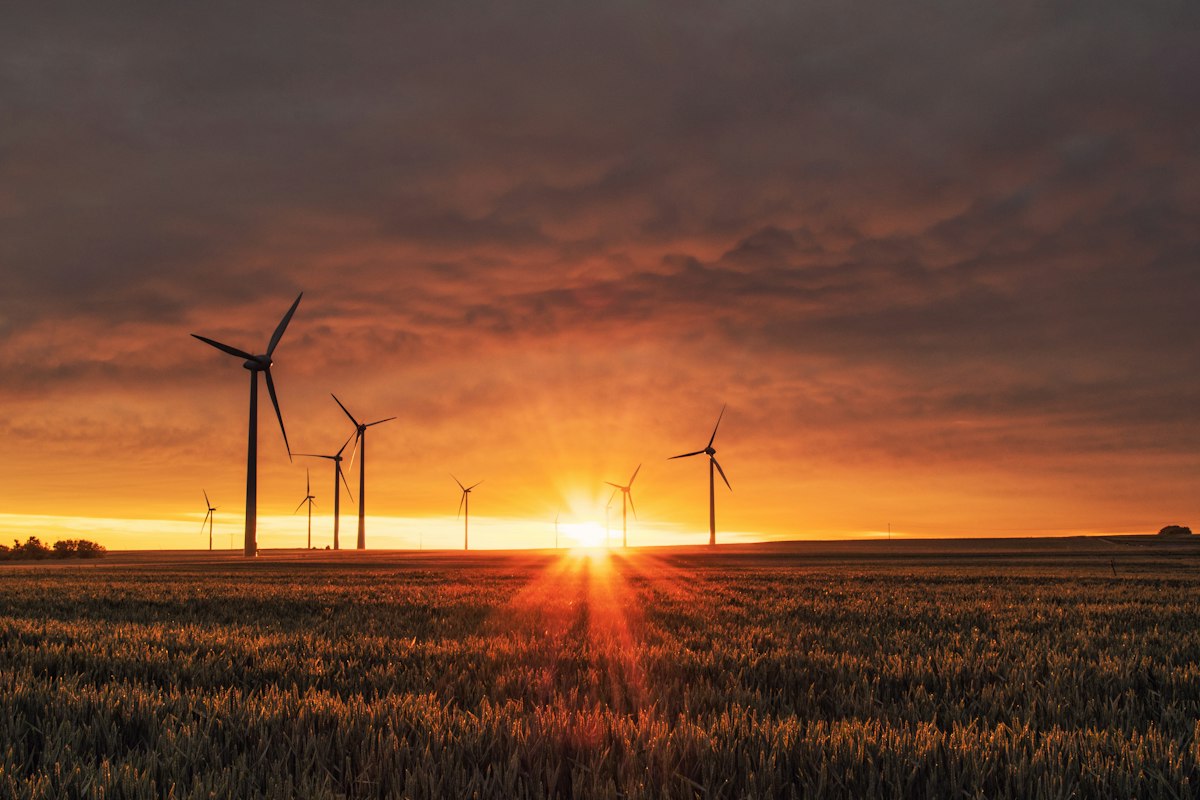
Texas is solidifying its position as a leader in wind energy production, with new investments and projects set to expand the state's capacity significantly.
Currently, Texas boasts over 40 gigawatts of wind energy capacity, making it the largest wind producer in the nation. As of July 2026, several new projects are slated to come online in the Panhandle and Gulf Coast regions, aimed at increasing that capacity by an additional 10 gigawatts in the next two years.
The recent $2 billion investment from NextEra Energy into wind facilities near Lubbock is one of the largest in recent years, signaling robust confidence in Texas's renewable energy landscape. These new facilities are expected to create approximately 1,500 construction jobs and 300 permanent positions.
"Investing in wind energy not only addresses our environmental goals but also strengthens our economy," said Thomas Reed, a representative for NextEra Energy. "Texas has the natural resources and infrastructure to lead the way in renewable energy production."
The expansion of wind energy in Texas is also supported by state-level initiatives aimed at reducing carbon emissions and encouraging sustainable practices. In line with these efforts, many corporations are committing to sourcing renewable energy, further driving demand.
In 2025 alone, companies like Google and Amazon signed long-term power purchase agreements (PPAs) for Texas wind energy, totaling over 3 gigawatts. Such commitments not only signify corporate responsibility but also play a crucial role in stabilizing revenue for wind farm operators.
However, challenges remain. As wind farms proliferate, concerns related to wildlife and land use have been raised by environmental groups. Balancing ecological impacts with a growing demand for renewable energy will be essential as Texas embarks on this ambitious wind expansion.
"We must ensure that our efforts to harness wind energy do not come at the expense of our wildlife and natural landscapes," stated Clara Simmons, a conservation biologist based in Austin. "It's vital that we implement best practices to mitigate any negative impacts."
As Texas moves forward, the state's dual identity as an oil and wind power giant will continue to evolve, setting a precedent for other states and positioning Texas as a critical player in the national energy transition.