
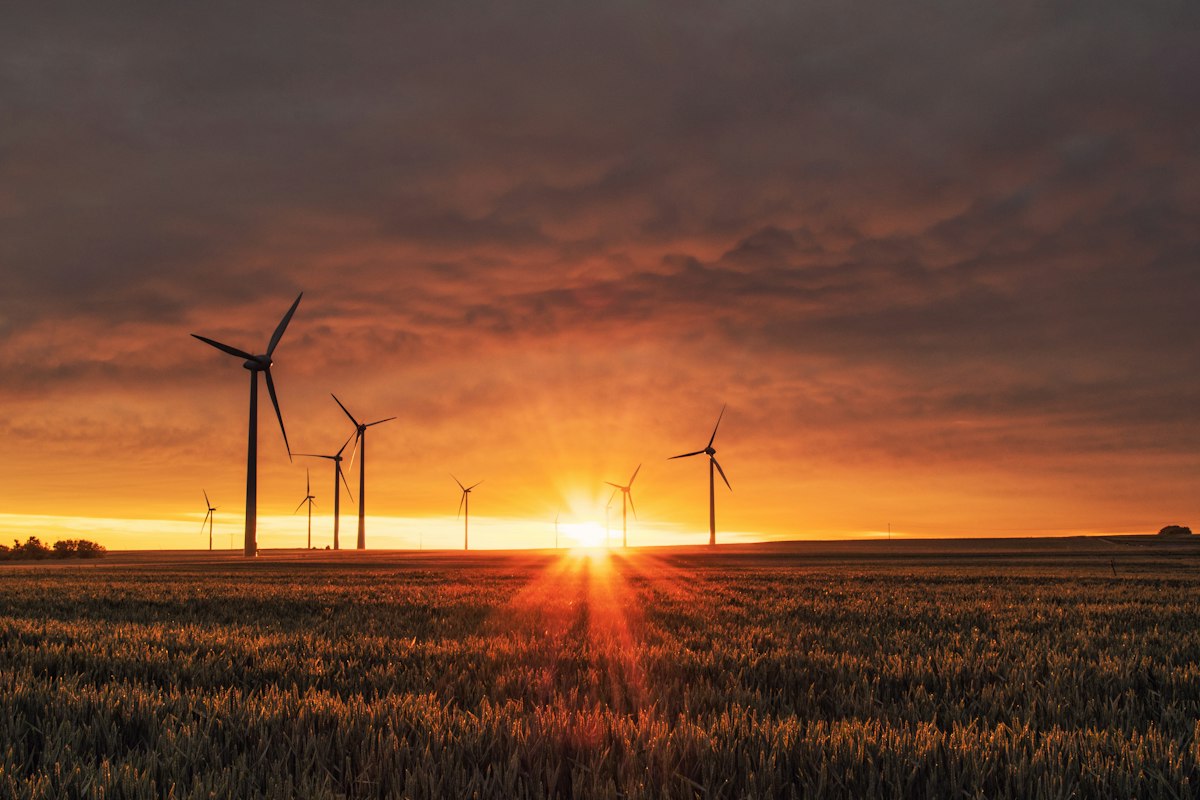
As of mid-2026, Texas has solidified its position as the leading state in wind energy production, with installed capacity surpassing 40,000 MW. This remarkable achievement highlights the significant investments made in wind infrastructure and the increasing reliance on renewable energy sources.
The Texas Wind Energy Coalition reports that the state added over 3,500 MW of new wind capacity in the first half of this year alone, fueled by demand from both residential and commercial sectors. Cities such as Lubbock and Abilene have become hubs for wind farm development, attracting substantial investments from major players in the renewable energy sector.
“Texas is experiencing an unprecedented wind energy boom that is reshaping our energy landscape,” said Lisa Green, Director of the Texas Wind Energy Coalition. “The growth we are seeing is not just about numbers; it represents a collective commitment to sustainability and energy independence.”
With wind energy accounting for nearly 35% of the state's total electricity generation, Texas is on track to exceed its own targets for renewable energy integration. The state's vast open spaces and favorable wind patterns make it an ideal location for wind farms, with new projects being developed at an accelerated pace.
In July 2026, the city of Lubbock celebrated the opening of the largest wind farm in the region, a $300 million investment that is expected to generate enough electricity to power 200,000 homes annually. This project is part of Lubbock’s commitment to transition to 100% renewable energy by 2035.
Furthermore, the Texas Public Utility Commission has recently approved new transmission lines to facilitate the distribution of wind energy, ensuring that surplus energy from rural wind farms can reach urban centers efficiently. This strategic move is expected to strengthen the grid and enhance reliability as more renewable sources come online.
Despite the progress, challenges remain. Critics point to the intermittency of wind energy and the need for improved storage solutions. To address this, energy firms and researchers are actively exploring advancements in battery technology that could store excess energy generated during high-wind periods for use during calmer times.
“Energy storage is the next frontier for wind energy in Texas,” noted Dr. Brian Carter, a renewable energy researcher at Texas A&M University. “Without significant advancements in storage technologies, we risk losing the benefits of our renewable investments.”
Looking ahead, the Texas wind energy sector is poised for further growth. With federal incentives for renewable energy remaining in place, and an increasing demand for clean energy, stakeholders remain optimistic about the potential for sustainable expansion.