
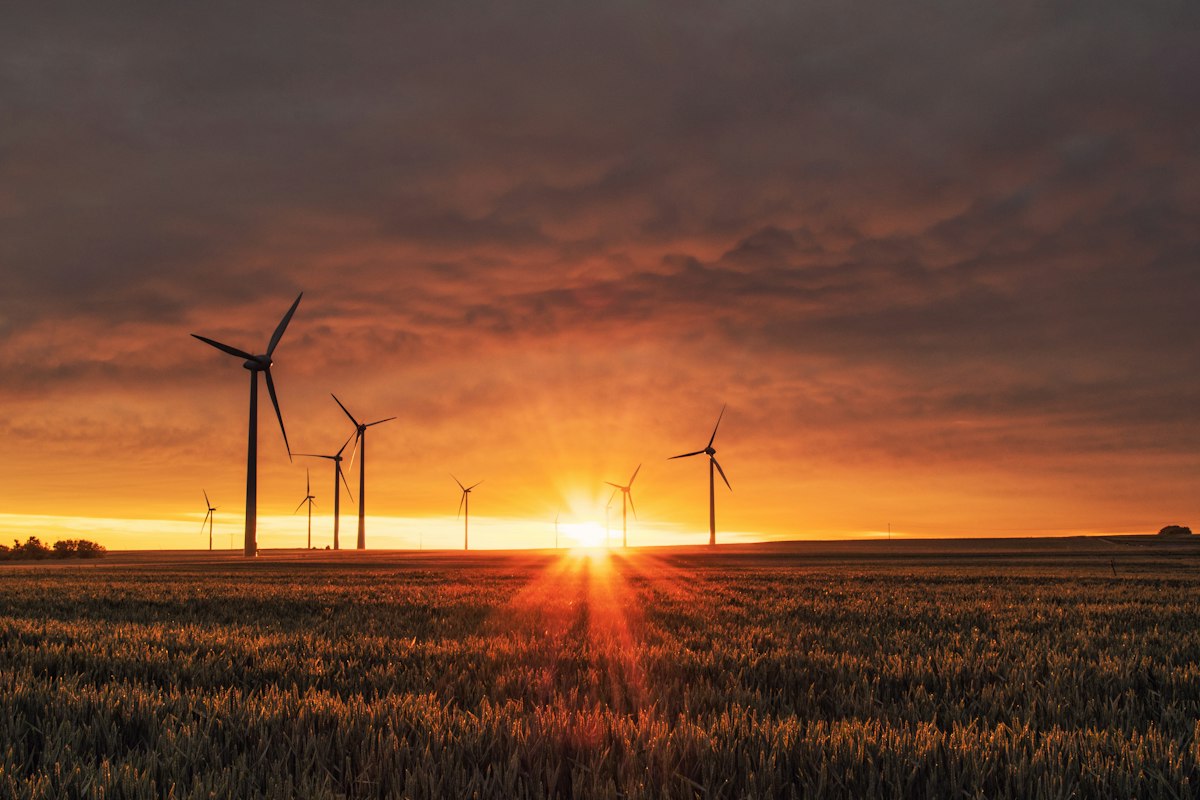
In a significant boost for clean energy, Texas wind energy projects are accelerating their development thanks to a recent influx of federal funding aimed at enhancing renewable energy infrastructure.
The Biden Administration announced on June 15, 2026, a comprehensive $3 billion funding package for renewable energy projects, with Texas slated to receive approximately $750 million. This funding is a critical part of the administration's goal to achieve 100% clean energy by 2035.
“Texas is at the forefront of the renewable energy revolution, and this funding will enable us to expand our wind energy capacity significantly,” remarked Tom Anderson, Director of Texas Wind Power Association.
As of July 2026, Texas leads the nation in wind energy production, generating over 33% of the country’s total wind energy. With the new funding, projects across regions like West Texas and the Panhandle are expected to add an additional 5 GW of capacity by 2028.
Major companies, including Siemens Gamesa and GE Renewable Energy, are ramping up their investment in Texas wind farms. These companies are collaborating with local utilities to install more efficient turbines, which are expected to improve energy output and lower costs for consumers.
In conjunction with federal support, Texas lawmakers have also enacted policies to streamline the permitting process for wind energy projects. This has reduced the average time to approve new wind installations from 18 months to just 6 months, effectively expediting project timelines.
Environmental groups have welcomed the increased funding, emphasizing its potential to combat climate change. “The transition to wind energy is not just an economic opportunity; it’s a necessary step to address the climate crisis,” stated Emily Davis, Executive Director of Green Future Texas.
However, challenges remain, particularly in public acceptance and local opposition to new wind farms. Some communities have expressed concerns about land use and aesthetic impacts. Addressing these concerns will be crucial as Texas seeks to expand its renewable energy portfolio.
As the state moves forward with its ambitious wind energy initiatives, the collaboration between federal, state, and private sectors will be essential in achieving the shared goal of a more sustainable energy future.