
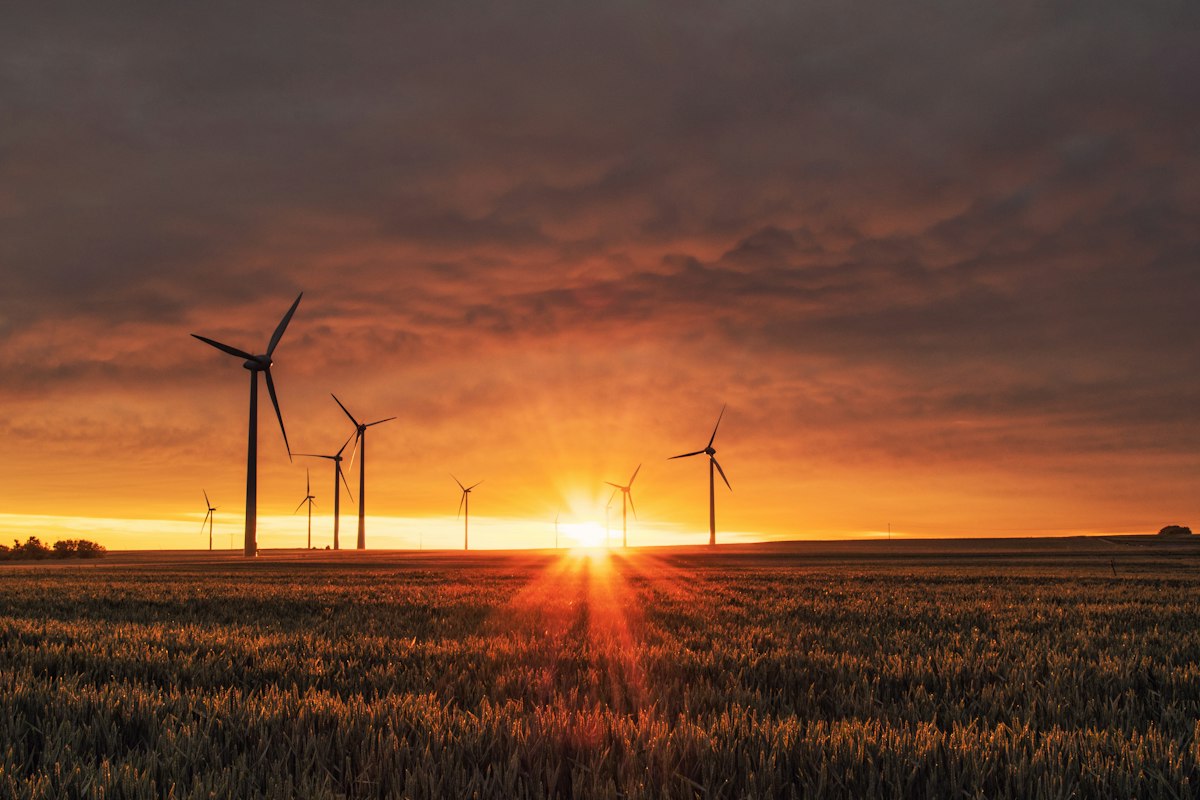
In a landmark development for renewable energy, Texas has achieved a historic milestone as wind energy production surpassed 30% of the state's total energy generation for the first time in July 2026.
According to the Electric Reliability Council of Texas (ERCOT), wind power accounted for 31% of the total energy generated in the state within the last month. This record-breaking figure can be attributed to favorable weather conditions and the increasing number of wind farms being installed across the Texas Panhandle and coastal regions.
“This achievement is a testament to Texas's leadership in renewable energy and its commitment to reducing carbon emissions,” said ERCOT's President, Tom Williams. “The growth in wind energy not only supports our grid stability but also provides economic benefits to rural communities.”
The state’s total installed wind capacity now exceeds 40 GW, and projections suggest that this number will continue to rise as new projects come online. Notably, major players such as NextEra Energy and Iberdrola are planning to invest over $3 billion in expanding wind farms in the next two years.
Furthermore, Texas is witnessing a growing trend in hybrid energy systems that combine wind and solar technologies to maximize efficiency and output. The potential of these systems is being realized in areas such as Lubbock and Amarillo, where both wind and solar projects are in development.
Local economies are also reaping the benefits of this wind energy boom. The Texas Wind Coalition reports that wind energy has created over 25,000 jobs in the past year alone, with many of these positions based in rural areas traditionally dependent on agriculture.
“Investment in renewable energy projects is revitalizing our local economy and providing stable jobs for our residents,” noted Lubbock Mayor, Sarah Thompson. “We are excited about what the future holds as we continue to lead in wind energy production.”
In summary, Texas's wind energy sector is not only transforming the state's energy landscape but also contributing to economic development and job creation, marking a significant step towards a more sustainable energy future.