
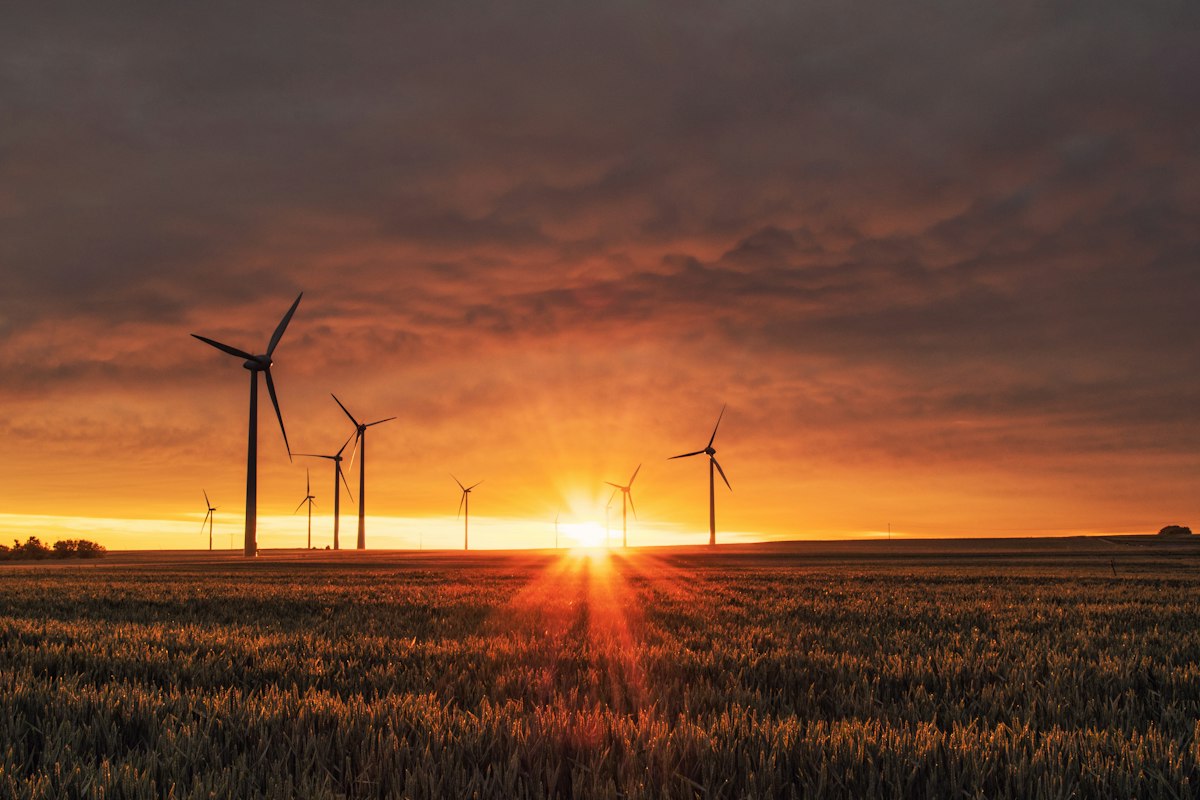
As the energy landscape evolves, Texas wind energy stands out as a robust sector demonstrating resilience and growth amidst market fluctuations.
Currently, Texas is the leading state in wind energy production, with over 38 GW of installed capacity. As of August 2026, the state accounts for more than 25% of the nation’s total wind energy output. This is a remarkable achievement considering that just a decade ago, wind power was still viewed as a nascent energy source.
The recent completion of the Blue Wing Wind Farm in the Texas Panhandle—adding 1 GW of capacity—serves as a testament to the sector’s continued expansion. Wind Energy Solutions, the developer behind the project, has already begun discussions for additional projects in the region to meet the growing demand for clean energy.
“The state’s commitment to wind energy not only creates jobs but also contributes significantly to our energy independence and sustainability goals,” noted Rebecca Klein, Chair of the Texas Public Utilities Commission.
The ongoing growth of wind energy has also attracted significant investment from both domestic and international companies. Notably, Danish firm Ørsted announced plans to invest $2 billion in offshore wind projects off the Texas coast, with expectations to generate 3 GW of clean energy by 2030.
Despite the robust growth, wind energy faces challenges, particularly in integrating with the existing electric grid. Industry experts warn that without sufficient infrastructure enhancements, the potential of wind energy could be hindered, especially during peak demand periods.
Nevertheless, the Texas wind sector continues to receive strong support from both state policy and public sentiment, which increasingly favors renewable options. The combination of technological advancements and favorable regulations suggests a bright future for wind energy in Texas.