
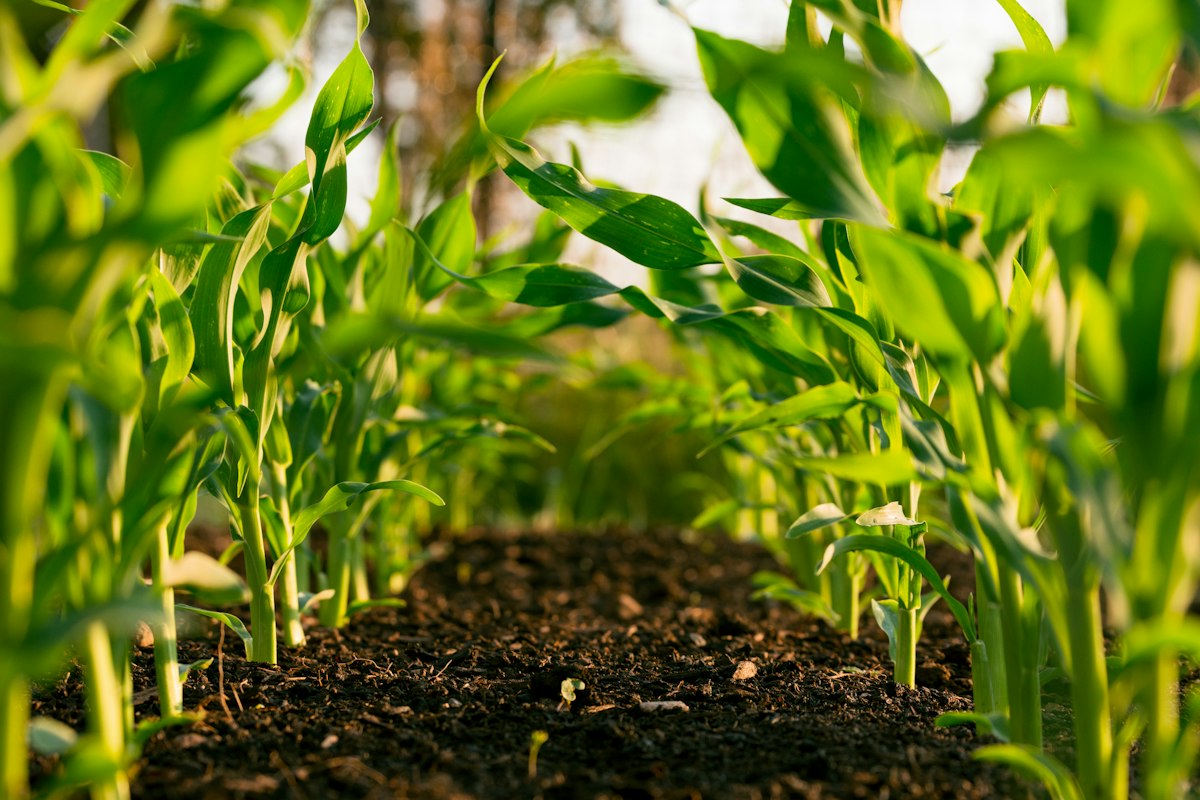
With the agricultural sector under pressure from climate change and resource scarcity, Texas universities are stepping up their role in agricultural technology, positioning the state as a leader in ag-tech innovation.
Recently, researchers at Texas A&M University in College Station unveiled a groundbreaking irrigation monitoring system designed to optimize water usage for farmers. This smart technology integrates sensors and data analytics to provide real-time information on soil moisture and crop health, reducing water waste by up to 40%.
The project is part of a larger push by Texas A&M, which has committed $150 million over the next five years to agricultural research and technology development. Dr. Sarah Jenkins, the lead researcher on the irrigation project, explained, “Our goal is to equip farmers with the tools they need to adapt to changing environmental conditions while maintaining productivity.”
Meanwhile, the University of Texas at Austin has launched a new ag-tech incubator aimed at supporting startups focused on sustainable farming practices. The initiative, backed by local venture capital, is expected to foster innovation by providing funding, mentorship, and access to cutting-edge research.
State officials have recognized the importance of these initiatives. Governor Greg Abbott noted, “By investing in ag-tech, we are not only securing the future of our farming communities but also establishing Texas as a hub for agricultural innovation.”
The Texas ag-tech market is projected to reach $3 billion by 2028, with significant investments coming from both public and private sectors as they recognize the need for sustainable agricultural solutions. This growth in ag-tech is seen as crucial, especially as Texas continues to contend with challenges posed by climate change.
As the industry evolves, the collaboration between academic institutions, government bodies, and private enterprises is expected to yield new technologies that could revolutionize agricultural practices across the state.