
A new wave of agricultural robotics developed by Texas Tech University is set to revolutionize farming operations across the Lone Star State.
The university's Department of Agricultural and Applied Economics has recently unveiled its latest robotic prototype designed for crop monitoring and pest detection. This innovation comes at a time when Texas farmers are facing labor shortages and increased demand for efficiency.
“Our goal is to create tools that make farming less labor-intensive while enhancing productivity,” said Dr. Sarah Reynolds, lead researcher at Texas Tech. “With the agricultural workforce declining, these robots can help fill the gap.”
The prototype, known as AG-ROVER, is equipped with advanced sensors and machine learning algorithms that allow it to navigate fields autonomously, detecting plant health and identifying pest infestations in real time. Early tests indicate it could reduce pesticide costs by up to 40%.
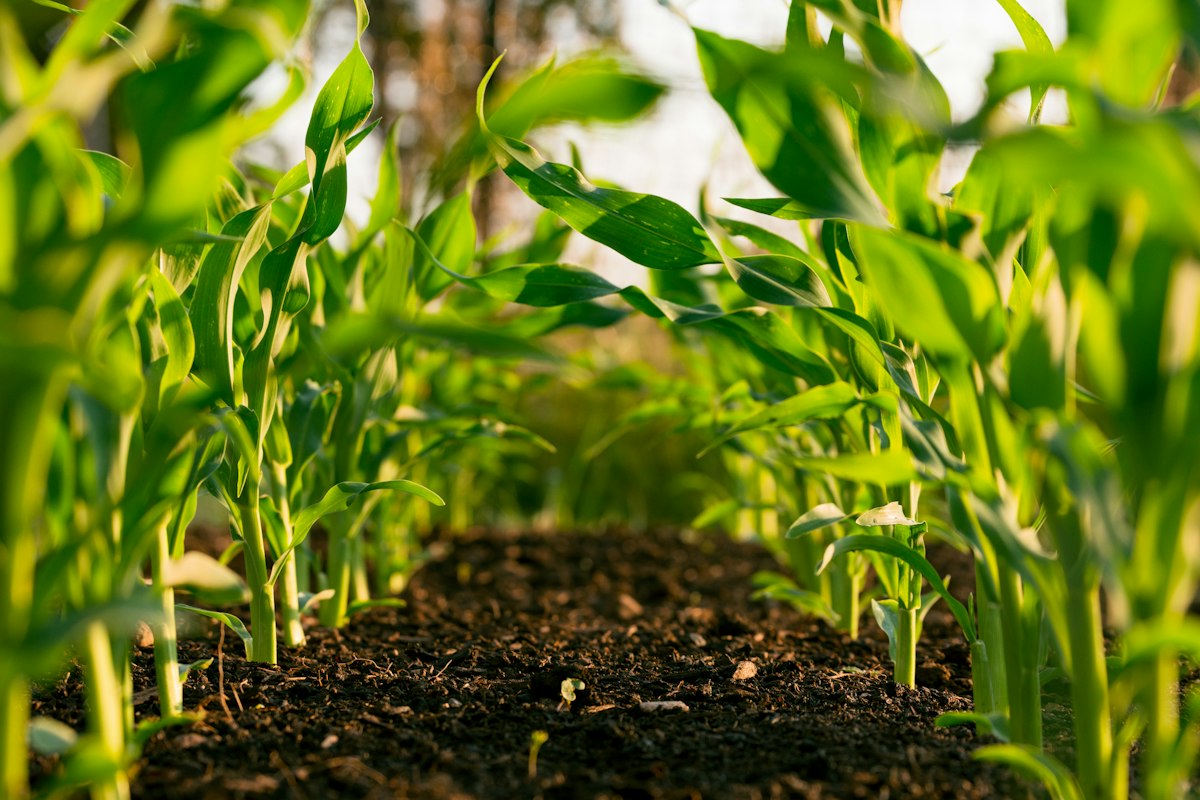
Farmers in the region are already taking notice. In Amarillo, local corn producer Juan Martinez has expressed interest in integrating AG-ROVER into his operations. “If it can help me reduce costs and monitor my crops more effectively, I’m all for it,” he stated.
The university has partnered with several agricultural firms to refine the technology, with plans to launch a pilot program in early 2027. The program aims to assess the AG-ROVER's performance on various Texas crops, including corn, cotton, and soybeans.
The financial implications are substantial. According to a report from the Texas A&M University System, the adoption of precision agricultural technologies could lead to an increase in profits by 15% for Texas farmers. This could translate to an additional $2 billion in revenue statewide by 2028.
As the agricultural landscape evolves, the integration of robotics presents an opportunity to enhance productivity and sustainability. With the pressure to feed a growing population, innovations like the AG-ROVER could become essential tools in the modern farmer’s arsenal.