
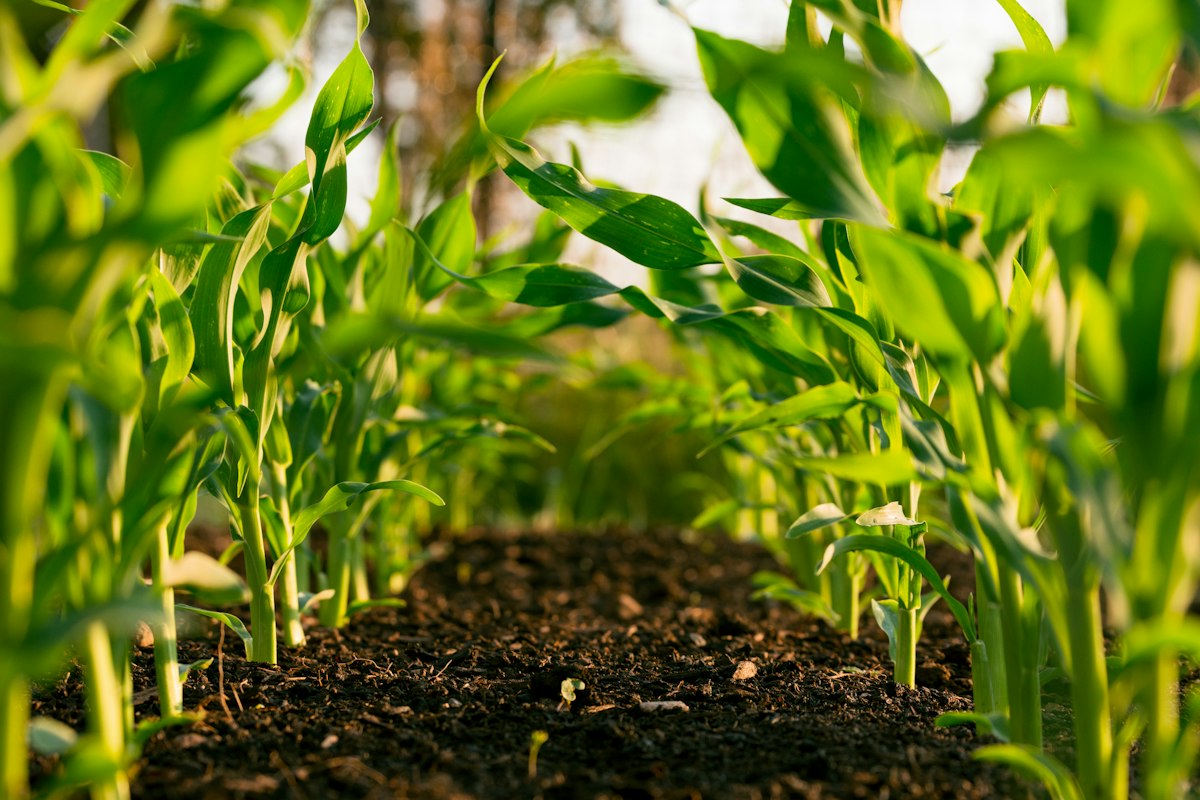
The soybean market is undergoing a significant transformation, with Texas farmers seizing the opportunity to boost production amid rising global demand. In 2026, Texas has emerged as one of the fastest-growing regions for soybean cultivation, with a projected yield increase of 25% over the previous year.
The USDA's recent report indicates that Texas farmers are expected to produce approximately 7 million bushels of soybeans this year, a remarkable leap from 5.6 million bushels in 2025. This surge is largely attributed to increased demand from both domestic and international markets, particularly in Asia. "The global appetite for soybeans is insatiable, and Texas is well-positioned to meet that demand," remarked Ryan Sinclair, director of the Texas Soybean Association.
Farmers in areas such as the Brazos Valley and the Coastal Bend have invested heavily in modern farming techniques, including genetically modified seeds that yield higher outputs and resist pests. These advancements have made it possible for producers to capitalize on favorable market conditions, with soybean prices reaching $15.50 per bushel, the highest level seen in three years.
Despite the promising outlook, challenges remain. Many farmers are concerned about the environmental impact of increased production, particularly regarding soil health and water usage. "We are aware of our responsibilities to the land and are constantly looking for sustainable practices to mitigate any negative effects," said Emily Torres, a soybean farmer in Victoria.
The Texas government has also recognized the importance of supporting this burgeoning industry. In June 2026, the state announced a new subsidy program aimed at helping farmers transition to more sustainable practices, which could include funding for research into organic farming methods. Governor Abbott stated, "We are committed to ensuring that Texas remains a leader in agricultural innovation, and that includes investing in the future of soybean farming."
As Texas continues to expand its role as a key player in the soybean market, the implications for local economies are profound. With agricultural exports generating billions annually, the state is poised to solidify its status as a major contributor to both national and global food supplies.