
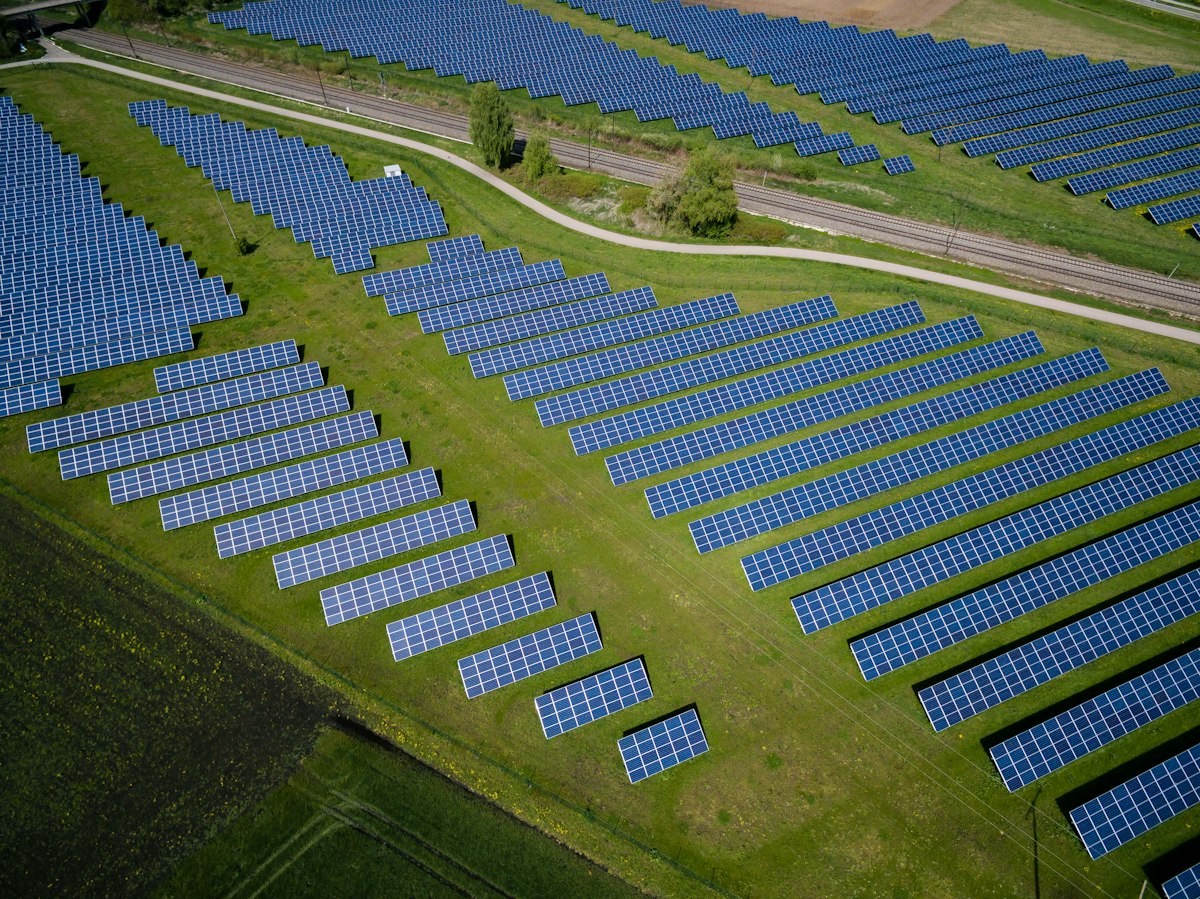
In a significant pivot towards renewable energy, Texas has achieved an unprecedented milestone in solar power generation, solidifying its status as the nation's leader in solar energy production. As of July 2026, the state has installed over 45 gigawatts (GW) of solar capacity, a figure that is projected to double by the end of the decade.
This remarkable growth is primarily driven by a combination of favorable policies, technological advancements, and significant investments from both state and national stakeholders. The Texas Public Utility Commission recently reported that solar energy accounted for nearly 30% of the state’s total electricity production during peak hours in June 2026, surpassing the previous record set just a year prior.
“The expansion of solar power in Texas is not just a trend; it’s a testament to our commitment to a sustainable future,” said David Darr, the head of the Texas Solar Energy Association. “With continued support from both policymakers and the private sector, we can expect even more transformative changes in the years to come.”
Recent legislative measures, including tax incentives for solar energy projects and streamlined permitting processes, have attracted investments from major companies like First Solar and SunPower, both of which have established manufacturing facilities in Austin and Houston, respectively. These initiatives have generated thousands of jobs and provided a much-needed economic boost to the state.
Moreover, the demand for solar energy is expected to increase as corporations aim to meet sustainable energy goals. In April 2026, tech giant Dell Technologies announced a partnership with a local solar farm in Fort Worth to power its Texas operations entirely with renewable energy by 2028.
As Texas continues to lead the charge in solar energy, challenges remain. The state’s aging electrical grid must evolve to accommodate the growing influx of renewable sources. The Electric Reliability Council of Texas (ERCOT) is currently undertaking a $1.5 billion grid modernization project aimed at enhancing the reliability and capacity of the existing infrastructure.
In conclusion, Texas is poised not only to maintain its position as the largest solar producer in the United States but also to serve as a model for other states aiming to transition towards renewable energy solutions. The synergy of innovative technology, supportive legislation, and corporate responsibility paints a promising picture for a sustainable energy future in the Lone Star State.