
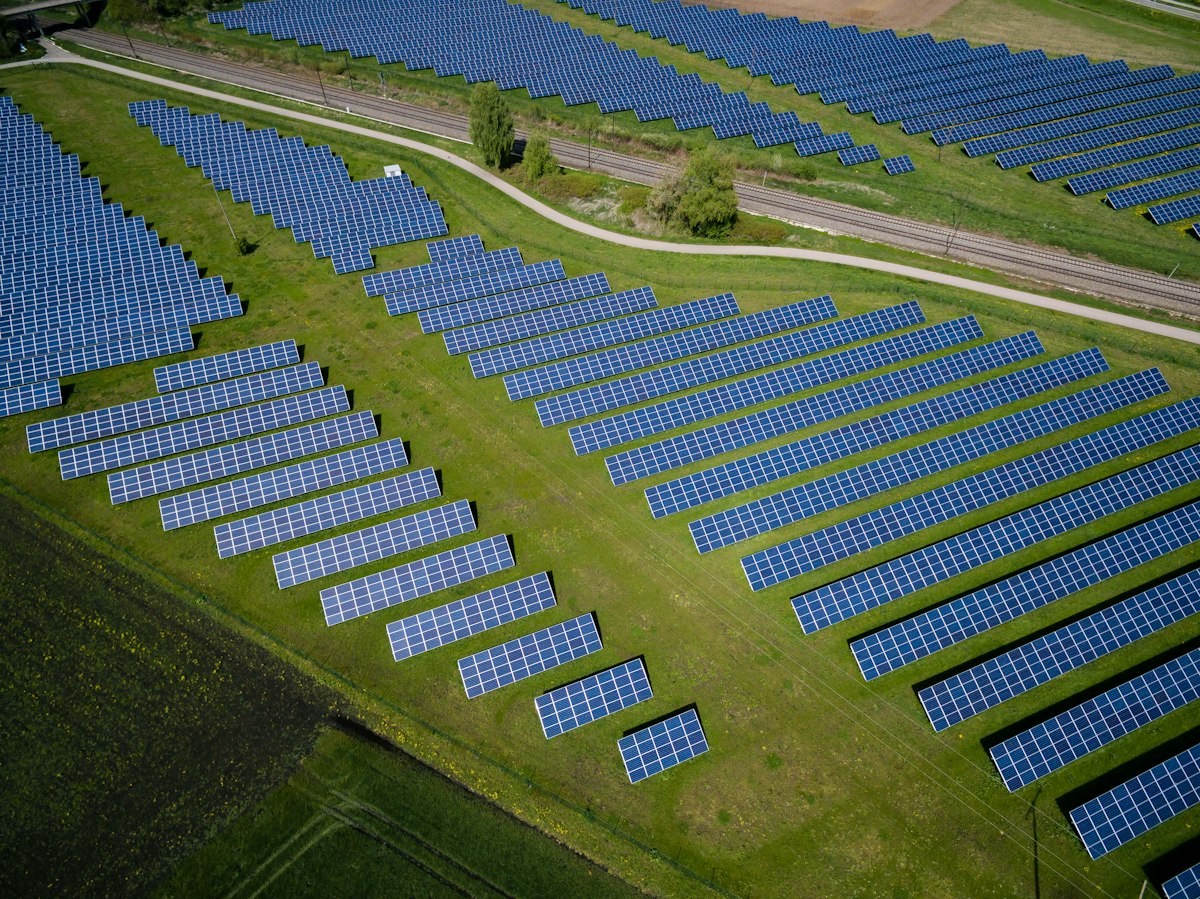
As temperatures soar across Texas this summer, the state’s solar power capacity is experiencing unprecedented growth, with new installations expected to surpass 30 gigawatts by the end of 2026.
According to the Electric Reliability Council of Texas (ERCOT), solar energy has become a critical component of the state's energy mix, contributing approximately 25% of the total generation during peak demand periods. This surge in solar capacity comes in response to both the increasing energy demands from a growing population and the state's commitment to renewable energy sources.
In Austin, the Texas Solar Energy Association (TSEA) reports that over 10,000 new residential and commercial solar systems were installed just in the first half of 2026 alone. "We are witnessing a historic shift in how Texans source their energy," said TSEA Executive Director, Sarah Martinez. "With solar now seen as a viable, cost-effective option, we anticipate further growth in the coming years."
This rapid expansion is driven by declining costs for solar technology, which have fallen by more than 50% over the past five years. The latest reports indicate that solar energy prices in Texas are now at an average of $20 per megawatt-hour, making it one of the cheapest forms of electricity available.
However, the increase in solar generation is not without its challenges. As output from solar farms peaks during the day while demand typically rises in the late afternoon and evening, grid operators face difficulties maintaining balance and reliability. ERCOT has warned of potential grid strain, as the percentage of solar energy continues to rise.
To mitigate these challenges, ERCOT has initiated several programs aimed at enhancing battery storage capabilities across the state. Batteries can store excess solar energy generated during the day for use during evening peak hours, thereby stabilizing the grid. ERCOT plans to install over 10 gigawatts of battery storage by 2028, a significant increase from the current capacity of just 2 gigawatts.
Major companies such as NextEra Energy and Brookfield Renewable Partners have announced significant investments in Texas solar projects, propelling the state to the forefront of solar energy production in the United States. These investments are expected to create thousands of jobs in the renewable energy sector, further bolstering the state’s economy.
As Texas continues to lead the nation in renewable energy generation, the implications for both its economy and the environment are profound. The pivot towards increased solar capacity not only promises to lower electricity costs for consumers but also positions the state as a key player in the global shift towards sustainable energy.