
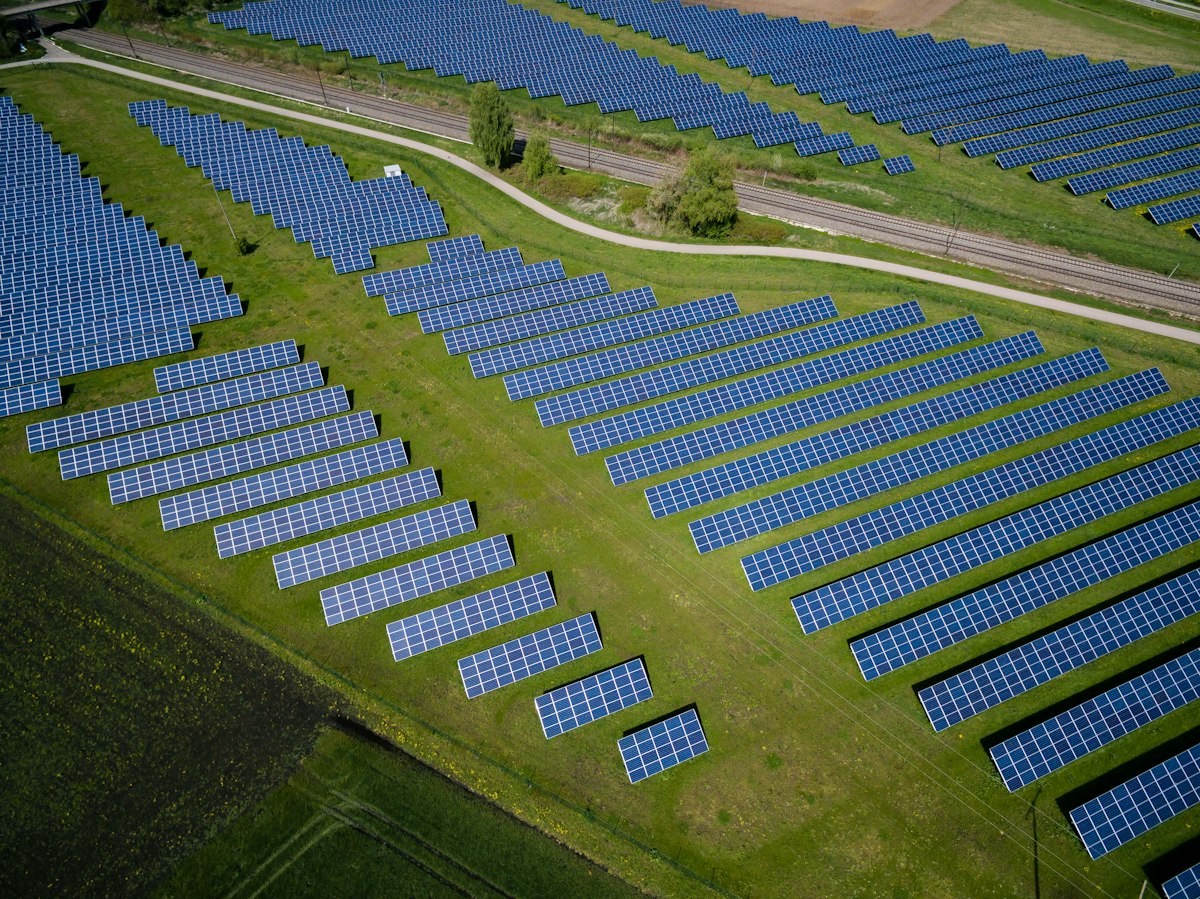
As heat waves grip the Lone Star State, Texas is witnessing an unprecedented surge in solar power installations, driven by soaring demand for renewable energy and enhanced grid resilience.
According to the latest data from the Electric Reliability Council of Texas (ERCOT), solar generation capacity in the state has jumped to over 30 gigawatts, marking a significant increase from 22 gigawatts in 2025. This expansion is largely attributed to favorable legislation and incentives that have spurred investments in solar technology.
In Austin, local developers have unleashed a wave of solar projects that are set to come online before the end of 2026. GreenSky Energy, a prominent player in the solar sector, announced plans to invest $250 million in new solar farms across the Central Texas region. "We are seeing a shift in how Texans approach energy consumption, especially during peak summer months," said Jamie Collins, CEO of GreenSky Energy. "Our goal is to ensure that solar becomes a cornerstone of Texas's energy future, providing both reliability and sustainability."
The increased capacity is not merely a response to climate concerns but also a strategic move to alleviate the pressure on the Texas electric grid. ERCOT has indicated that the combination of solar and other renewable sources are essential for maintaining grid stability during extreme weather events.
Furthermore, the Texas Energy Commission has ramped up its efforts to facilitate the integration of renewable energy sources, with a particular focus on solar and wind. The state's Renewable Energy Plan aims to achieve a total of 50 gigawatts of solar capacity by 2030.
The solar boom has also led to job creation in the sector, with estimates suggesting that over 15,000 new jobs will be generated in the coming year alone. As Texas continues to grapple with the impacts of climate change, the expansion of solar energy is likely to play a critical role in the state’s energy landscape.