
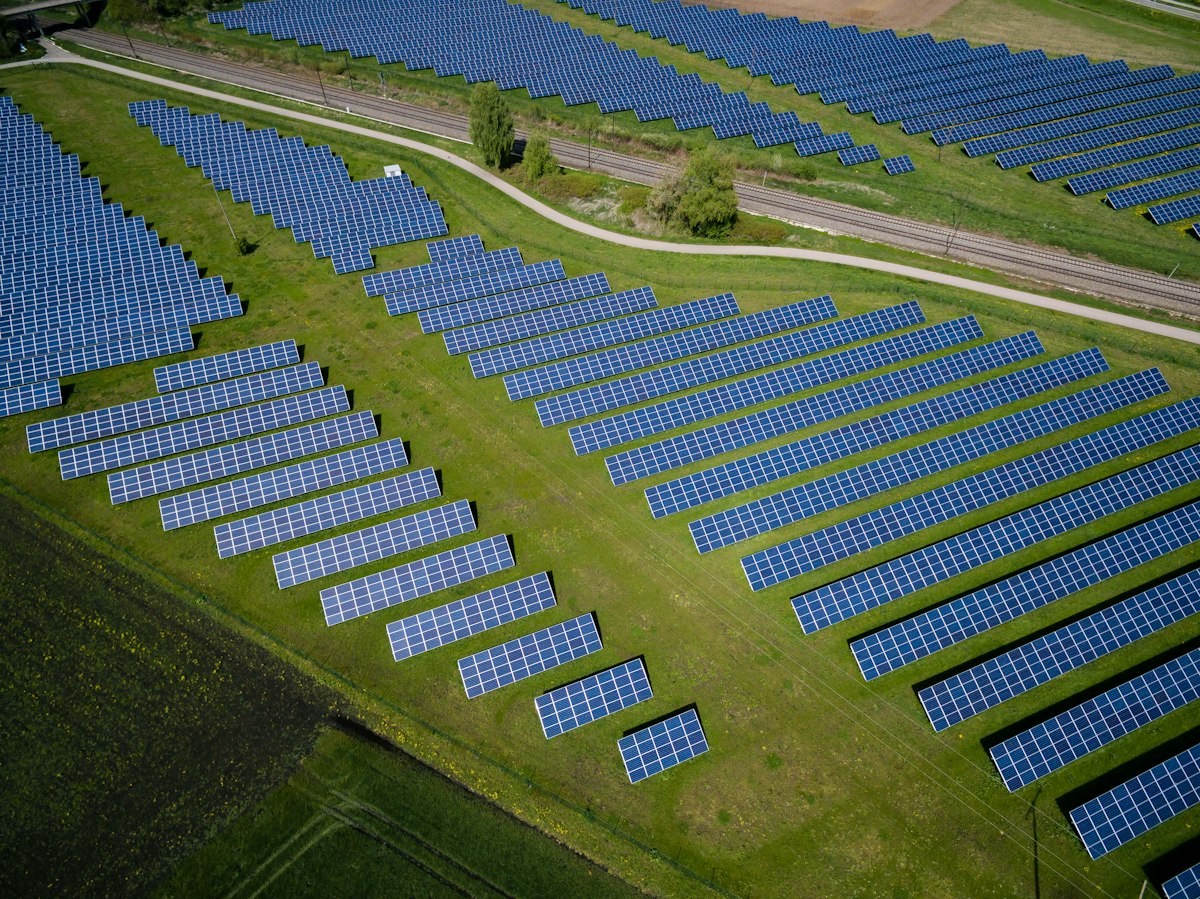
As Texas grapples with fluctuating energy demands, the state is witnessing an unprecedented surge in solar power installations, driven by both economic necessity and environmental imperatives.
According to the Texas Electric Power Association, solar energy capacity in the state has reached over 35,000 megawatts as of mid-2026, a significant increase from 22,000 megawatts just two years prior. This rapid expansion is largely attributed to the declining costs of solar technology, which have fallen by more than 60% in the last decade, making solar installations increasingly attractive to both residential and commercial consumers.
Leading this solar revolution is NextEra Energy Resources, headquartered in Houston, which has announced plans to invest $3 billion into new solar farms across the state by 2028. “Texas has become the epicenter of the solar industry in the U.S., and we are committed to advancing its development,” said John Ketchum, CEO of NextEra.
Moreover, the City of Austin has recently established an ambitious target to achieve 100% renewable energy by 2030, a goal that aligns with the state’s growing commitment to sustainability. Austin Energy, the city's public utility, has reported that solar energy now accounts for approximately 30% of its total energy mix, up from 12% in 2024.
However, the rapid increase in solar capacity has not been without challenges. Grid reliability concerns have sparked debates among regulators and energy producers about the best strategies for managing these fluctuations. The Electric Reliability Council of Texas (ERCOT) has been scrutinizing its infrastructure to ensure that it can handle the growing influx of solar energy while maintaining a balance with traditional energy sources.
“While solar is a critical piece of our energy future, we must also invest in grid resiliency to prevent blackouts,” stated Bill Magness, former CEO of ERCOT. “The integration of diverse energy sources is essential to provide reliable power,” he added.
As Texas continues to lead the nation in solar energy production, the implications for both the economy and the environment are profound. The state's ability to evolve its energy sector could serve as a model for other states looking to transition to renewable resources while balancing economic growth.