
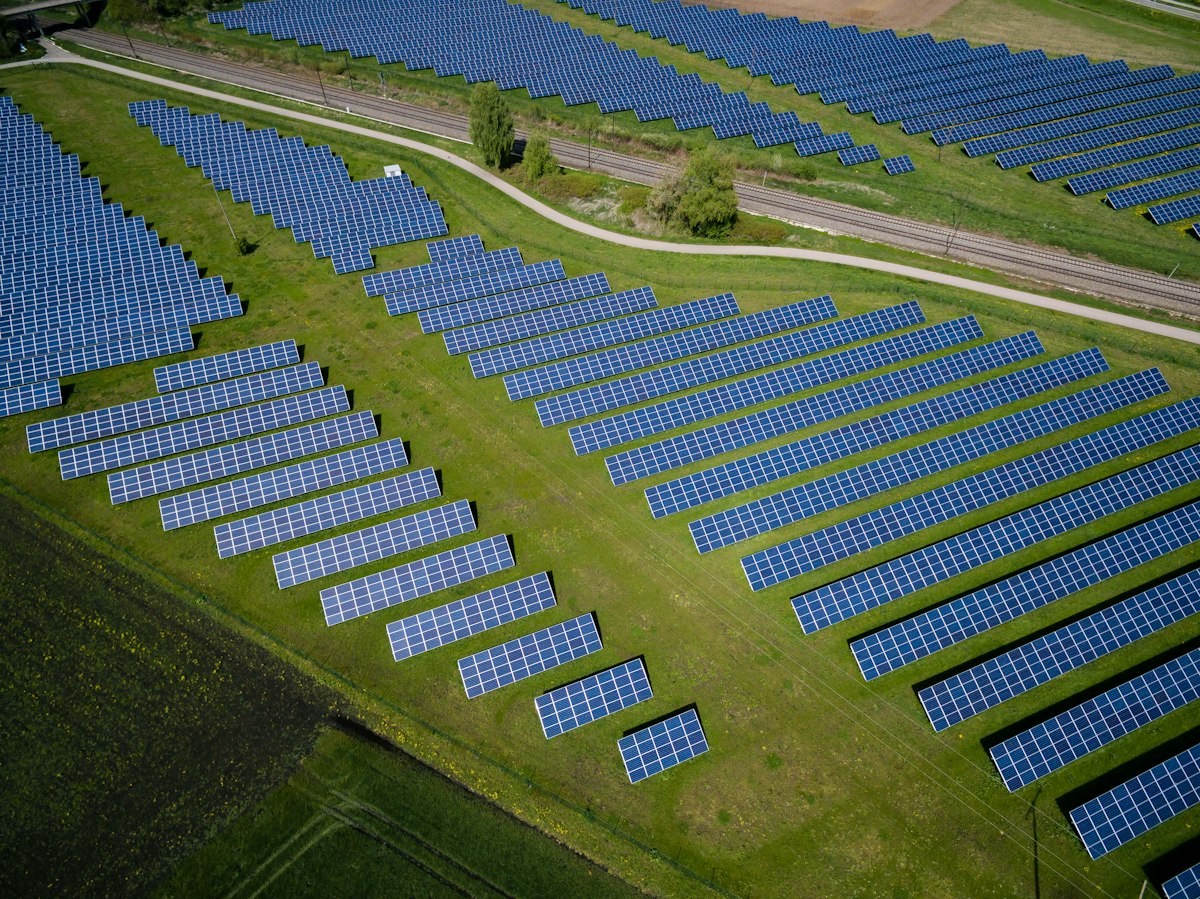
Texas has firmly established itself as the solar power capital of the United States, with installed capacity surging to over 35 gigawatts in 2026, a remarkable jump of nearly 25% from the previous year.
This rapid expansion can be attributed to favorable state policies and significant investments from both established energy companies and new entrants. Industry leaders like NextEra Energy and Pattern Energy have committed billions in capital to develop new solar farms across the state.
In July 2026, the Texas legislature passed a series of bills aimed at promoting renewable energy investments, including tax incentives for solar installations and streamlined permitting processes. These changes have been applauded by local businesses and environmentalists alike.
“The legislative changes are a game-changer for solar energy in Texas,” said Jason Lewis, CEO of Texas Solar Solutions. “We are seeing unprecedented growth that not only benefits our environment but also creates thousands of jobs.”
Houston-based solar manufacturer SolaraTech announced plans to double its capacity by the end of 2027, citing a burgeoning demand for solar panels both domestically and internationally. This move is likely to generate at least 1,500 new jobs in the region, reinforcing Texas's position as a leader in clean energy employment.
The state has also seen a significant increase in community solar projects, allowing residents in urban areas like Dallas and Austin to participate in solar energy programs without the need for rooftop installations. According to the Texas Solar Power Association, over 50 community solar projects have been launched in the last year alone, benefiting thousands of households.
Despite the progress, challenges remain. The state's energy grid, managed by ERCOT, has come under scrutiny following the severe winter storm of February 2021, emphasizing the need for an integrated approach to energy management. However, experts argue that diversifying the energy mix with solar power can enhance grid reliability.
As part of its commitment to sustainability, the Texas government has set a goal to achieve 60% of its energy from renewable sources by 2030. With the current trajectory, Texas is on track to not only meet this goal but potentially exceed it.
The solar landscape in Texas continues to evolve, providing a model of innovation and resilience for the rest of the nation. As investment pours in and policy support strengthens, the future looks bright for solar energy in the Lone Star State.