
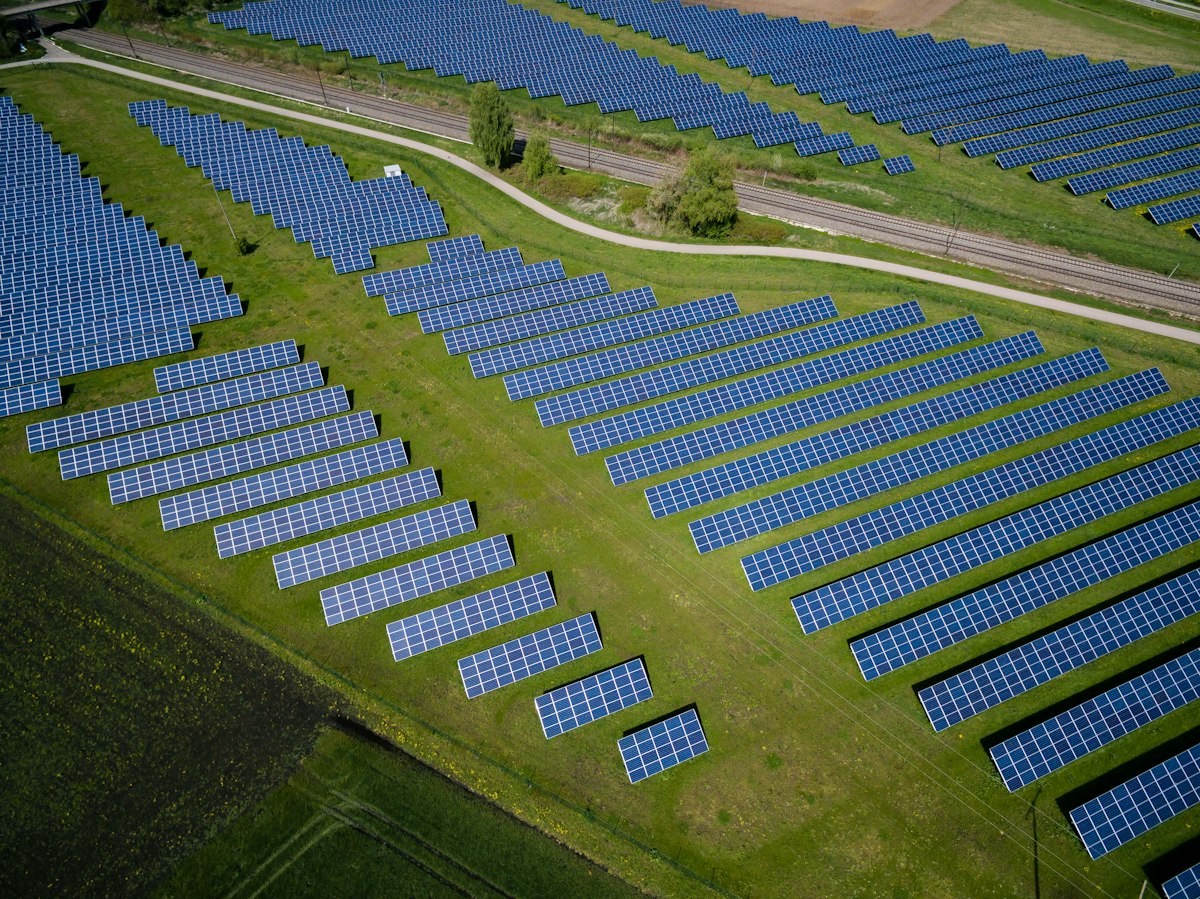
In a remarkable display of growth within the renewable energy sector, Texas has seen its solar power capacity spike by over 35% in the past year, reflecting a significant shift in both policy and consumer behavior.
As of July 2026, Texas boasts a total installed solar capacity of 39.5 gigawatts, solidifying its position as the leading state in solar energy production in the United States. The increase is largely attributed to a combination of favorable state policies, technological advancements in photovoltaic systems, and consumer interest in sustainable energy solutions.
The Texas Public Utility Commission (PUC) reported that residential solar installations have doubled over the last 12 months, driven by an ever-increasing number of homeowners seeking to reduce their carbon footprint and energy bills. Austin-based solar firm SunPower Texas has seen its revenues soar by 50% during this period, with CEO Maria Lopez stating, "The demand from consumers is unprecedented, and we are thrilled to help Texans harness the power of the sun. Our community is ready for a clean energy future, and we’re here to lead the way."
The boom in solar energy is also spurred by federal tax incentives that have made solar panels more accessible to average consumers. The Solar Investment Tax Credit (ITC), set to expire in 2026, provides a 26% tax credit for solar installations, further incentivizing homeowners and businesses alike. Analysts estimate that Texas could add another 20 gigawatts of solar capacity by 2028, solidifying its dominance in the renewable energy landscape.
In parallel, Texas's wind energy generation has reached 38% of the state’s total energy mix, with the Texas Wind Energy Association predicting that by the end of 2026, wind power could supply more than half of the state's energy needs on particularly windy days. This dual push for solar and wind energy is setting a precedent for a comprehensive and sustainable energy strategy.
However, concerns remain about the infrastructure needed to handle this surge in renewable energy. The Texas Electric Reliability Council (ERCOT) is under pressure to modernize grid technology to ensure stability and reliability in the face of fluctuating power sources. The grid experienced significant strain during the winter storm of 2021, leading to calls for more stringent regulatory measures.
As Texas continues on this path of growth in the renewable sector, it remains to be seen how state officials will balance the needs of a rapidly evolving energy landscape with the demands of maintaining grid integrity and addressing climate change concerns. The state’s transition to a greener energy future is seen as a critical test case for other states looking to invest in renewable technologies.