
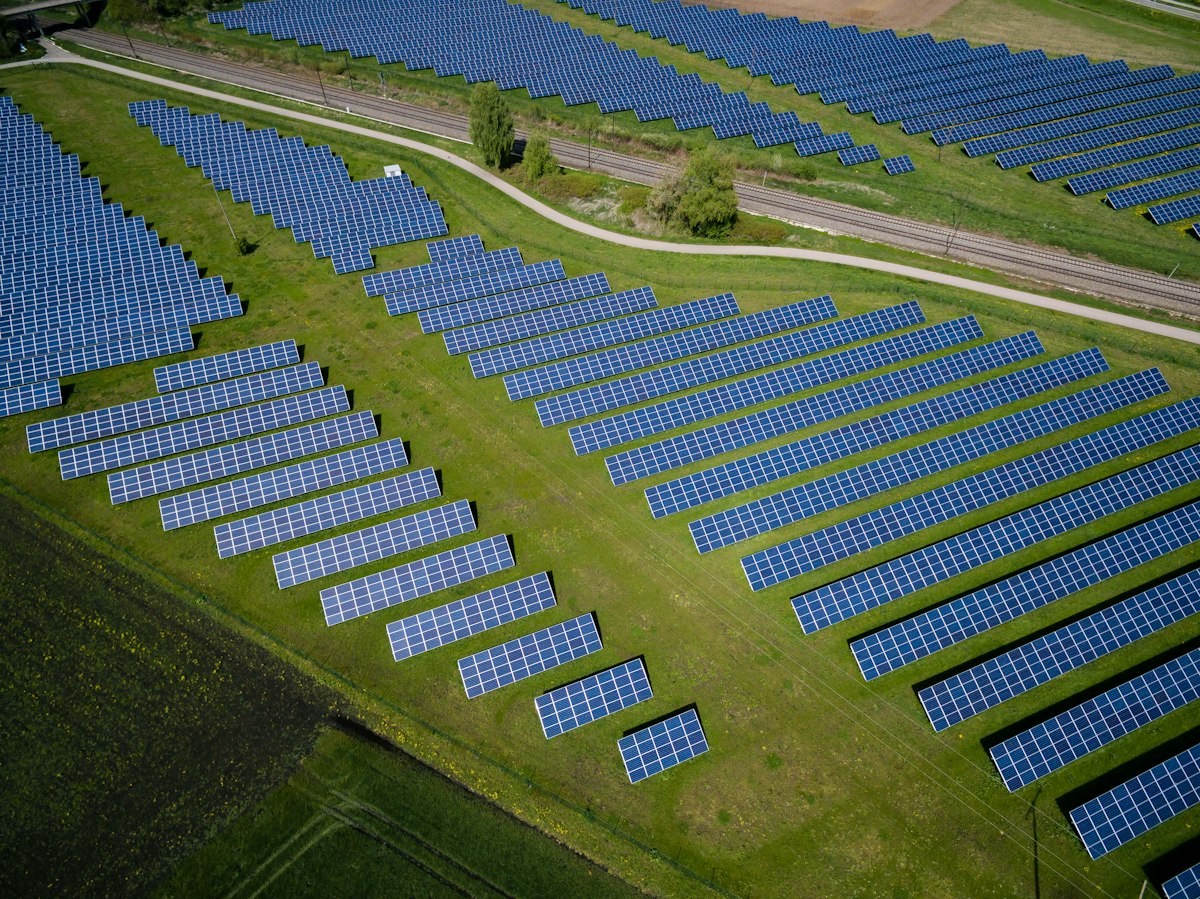
As Texas continues to assert its dominance in the energy sector, the state's solar market is experiencing unprecedented growth, fueled by major corporations setting ambitious renewable energy goals.
According to the Texas Solar Power Association, solar capacity in the state reached a record high of 40,000 megawatts in June 2026, nearly double the capacity recorded just two years prior. This surge is largely attributed to companies such as Apple, Google, and Amazon, which have been investing heavily in solar projects to meet their sustainability targets.
In a recent announcement, Apple revealed plans to build a new solar farm near Midland, which will supply up to 150 megawatts of clean energy to its data centers in the area. “This investment is an essential step towards our goal of 100% renewable energy for our facilities worldwide,” said Lisa Jackson, Apple’s Vice President of Environment, Policy and Social Initiatives.
The influx of investment is not only enhancing Texas’s renewable energy landscape but is also creating jobs. The solar sector in Texas has added approximately 30,000 jobs over the past year, according to the Solar Foundation's National Solar Jobs Census.
However, while the growth is promising, it comes with challenges. The Texas grid, overseen by ERCOT, has faced scrutiny following the energy crisis of February 2021, leading to questions about its reliability and capacity to handle the increasing demand for renewable sources. As more companies transition to solar, maintaining grid stability becomes critical.
“We need to ensure that our infrastructure can support this rapid growth,” stated Brad Jones, CEO of ERCOT, during a recent energy summit in Austin. He emphasized the importance of integrating renewable energy while ensuring reliability.
Despite these challenges, Texas is projected to remain a leader in the solar energy sector, with investments expected to exceed $10 billion over the next five years. The trend is likely to spur further interest from both domestic and international energy investors, solidifying the state’s role as a renewable energy powerhouse.