
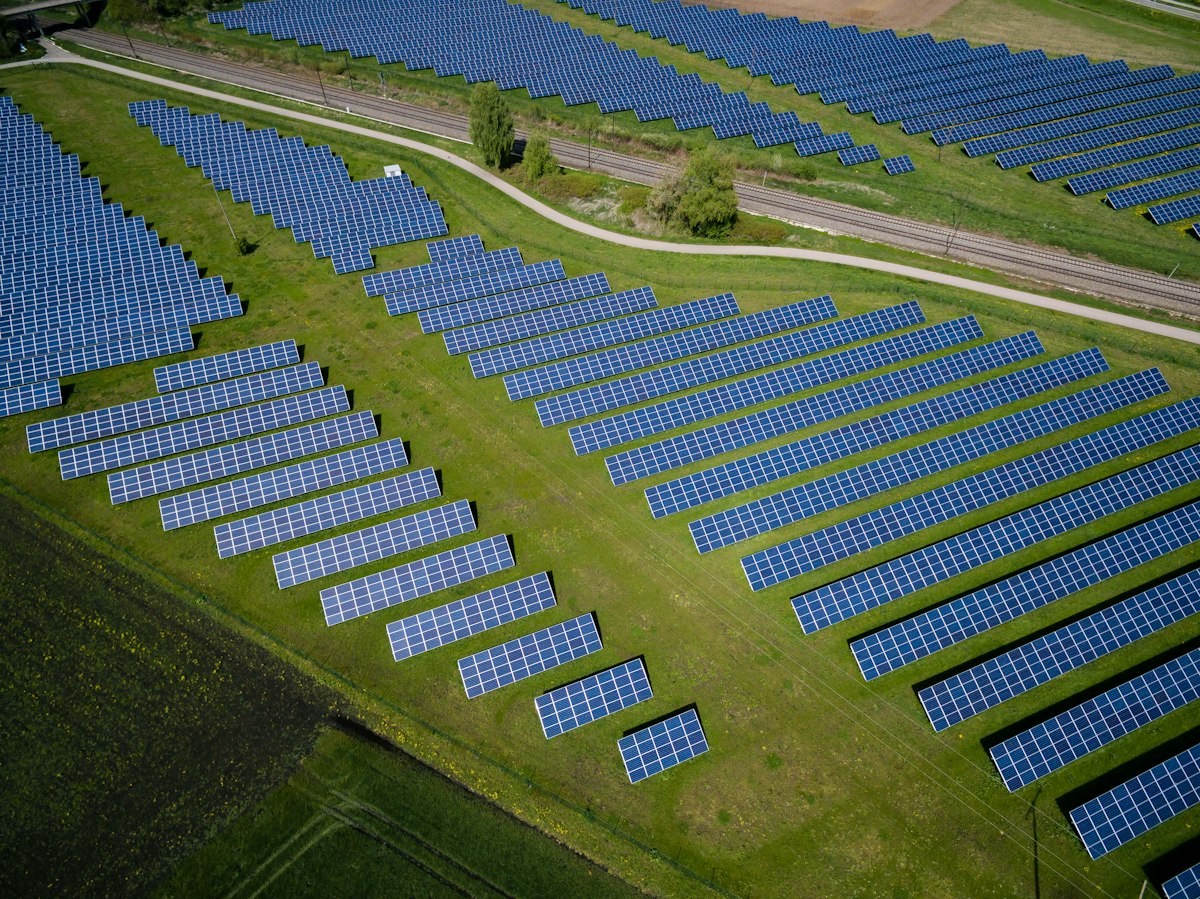
As the Lone Star State positions itself as a leader in renewable energy, the Texas solar industry has witnessed a remarkable growth trajectory over the past year, driven by both state policies and private sector investments.
In June 2026, Governor Greg Abbott announced an initiative aimed at achieving 30% renewable energy in the state's power grid by 2030. This ambitious target has prompted a flurry of activity within the solar sector, which has seen investments exceeding $5 billion in the last twelve months alone.
According to the Texas Solar Power Association, the number of solar installations in Texas has quadrupled since 2020. “The state is on track to become a national leader in solar energy,” stated Susan Davis, Executive Director of the Association. “With the right incentives and infrastructure, we can harness our abundant sunshine to power homes and businesses.”
Cities like Austin and Houston are leading the way, implementing programs that promote solar energy adoption among residents. In Austin, the city council recently approved a $10 million fund aimed at subsidizing solar panel installations for low-income households.
Moreover, major companies like NextEra Energy and Tesla Energy are ramping up their solar operations in Texas, citing the state’s favorable regulatory environment and abundant solar resources. NextEra, the largest generator of renewable energy in the U.S., has announced plans to build several large-scale solar farms in West Texas, which are expected to collectively produce over 3,000 megawatts of power.
On the legislative front, a new tax incentive for solar projects was passed by the Texas Legislature in May 2026, which provides a 25% tax credit for new installations. This measure is expected to accelerate the pace of solar adoption across the state.
However, challenges remain. Critics argue that as solar installations increase, so do concerns about grid reliability and energy storage capabilities. The Electric Reliability Council of Texas (ERCOT) has indicated that enhancements to energy storage infrastructure will be necessary to accommodate the increased solar capacity.
As Texas moves forward with its renewable energy ambitions, the question remains whether the current pace of growth can be sustained. David Rogers, a senior analyst at the Texas Renewable Energy Institute, believes it can. “The drive for clean energy is not just a trend; it’s a necessity,” he said. “As technology improves and costs decline, we’ll see more stakeholders stepping up to invest in solar.”