
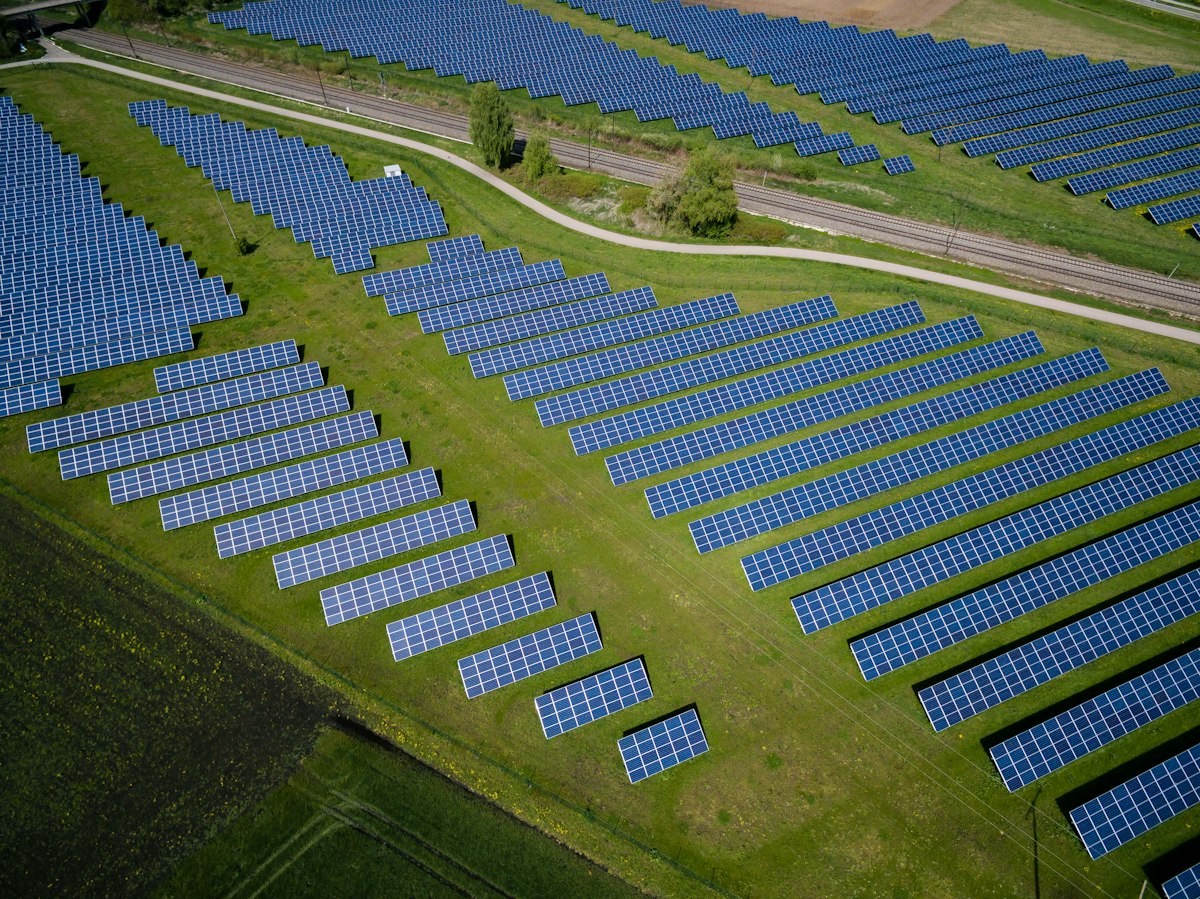
As of July 2026, Texas is witnessing an unprecedented boom in its solar energy sector, propelled by a surge in investments and favorable policies.
In the past year alone, the state has added over 3,000 megawatts of solar capacity, bringing its total installed capacity to nearly 30,000 megawatts. This growth places Texas firmly at the forefront of solar energy production in the United States, surpassing California, which previously held the top spot.
Companies such as NextEra Energy and EDF Renewables have significantly ramped up their investments, with NextEra announcing a $1.5 billion initiative to develop solar farms across West Texas. “We are committed to leading the charge towards a sustainable energy future, and Texas provides the perfect environment for our expansion,” said John Ketchum, CEO of NextEra Energy.
The push towards solar energy is fueled not only by investments but also by recent state policies aimed at encouraging renewable energy adoption. Texas Governor Greg Abbott has endorsed measures that offer tax incentives for solar projects, making it more economically viable for firms to invest in large-scale solar farms.
As a result, cities like El Paso and San Antonio are emerging as hubs for solar energy development. San Antonio, home to the nation’s largest municipally owned solar facility, is on track to generate 500 megawatts by 2027, a significant increase from its current output.
The influx of solar energy not only contributes to reducing carbon emissions but also fosters job creation within the state. According to the Texas Workforce Commission, over 25,000 jobs in the renewable sector have been created since 2023, with expectations for continued growth in the coming years.
However, some critics caution against an over-reliance on solar energy, emphasizing the need for a balanced energy portfolio. Dr. Sarah Hall, an energy policy expert at the University of Texas at Austin, noted, “While solar power is a vital part of our energy future, it’s essential that we also invest in other forms of energy, including natural gas and wind, to ensure reliability.”
As Texas continues to embrace renewable energy, the implications for the state's economy and environment could be monumental. With the right policies and sustained investment, Texas is poised to solidify its role as a global leader in solar energy production.