
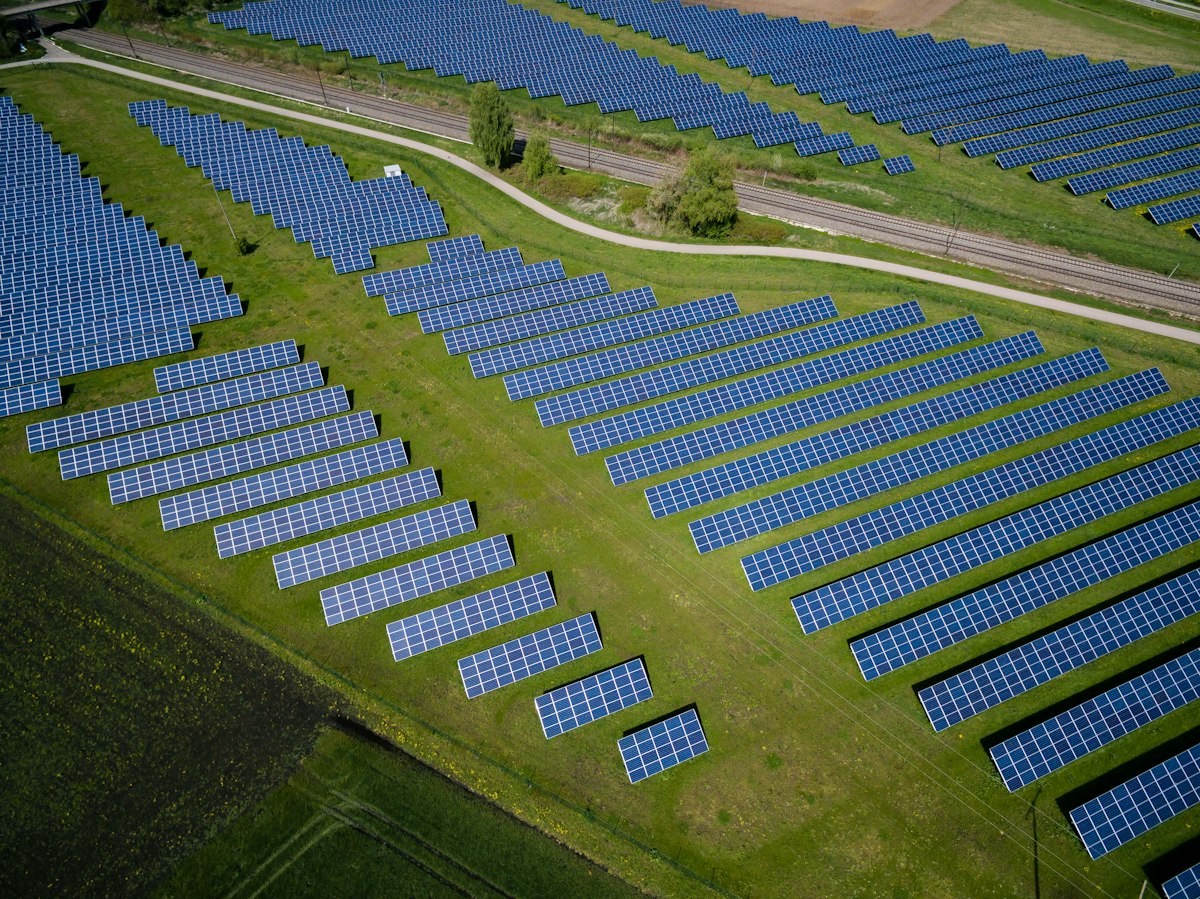
The solar energy sector in Texas is experiencing unprecedented growth, driven by recent legislative changes aimed at incentivizing renewable energy investments.
As of August 2026, Texas has installed over 35 gigawatts of solar capacity, solidifying its status as the leading state for solar energy production in the United States. This surge follows the passage of the Solar Energy Incentive Act in early 2025, which offers substantial tax credits and subsidies to both residential and commercial solar projects.
In Austin, the Texas Solar Energy Association estimates that the industry will see an influx of approximately $5 billion in investments over the next three years. “The legislative support has created a clear pathway for growth,” said Rebecca Fields, Executive Director of the Texas Solar Energy Association. “We are witnessing more businesses and households opting for solar as a viable alternative to traditional energy sources.”
This growth is not just limited to installations; it is also fostering job creation. The Texas Workforce Commission reports that solar jobs have increased by 25% since 2025, translating to nearly 30,000 new positions in the sector. Cities like Houston and Dallas are leading the way, with numerous solar firms expanding their operations and hiring locally.
However, challenges remain. Industry experts have voiced concerns about the sustainability of such rapid growth. “While the incentives are beneficial, there is a risk of market overextension if demand does not keep pace with supply,” noted Tommy Ramirez, an energy analyst with the Texas Energy Institute. “We need to ensure that infrastructure can support the influx.”
Additionally, the competition between solar and traditional fossil fuels continues to intensify. With natural gas prices remaining relatively stable, some analysts suggest that a prolonged period of low prices could deter investments in renewable energy. Yet, proponents argue that the cost of solar technology is continuing to drop, making it an increasingly attractive option for energy consumers.
Looking ahead, Texas is expected to exceed 50 gigawatts of solar capacity by 2030, as more communities embrace sustainable practices. The state government remains committed to supporting this transition, with plans for further legislative measures aimed at reducing barriers to solar implementation.
As awareness around climate change grows, the transition to renewable energy sources is becoming more critical. The Texas solar boom is a testament to the fact that with the right policies in place, the state can lead the nation in the shift toward sustainable energy.