
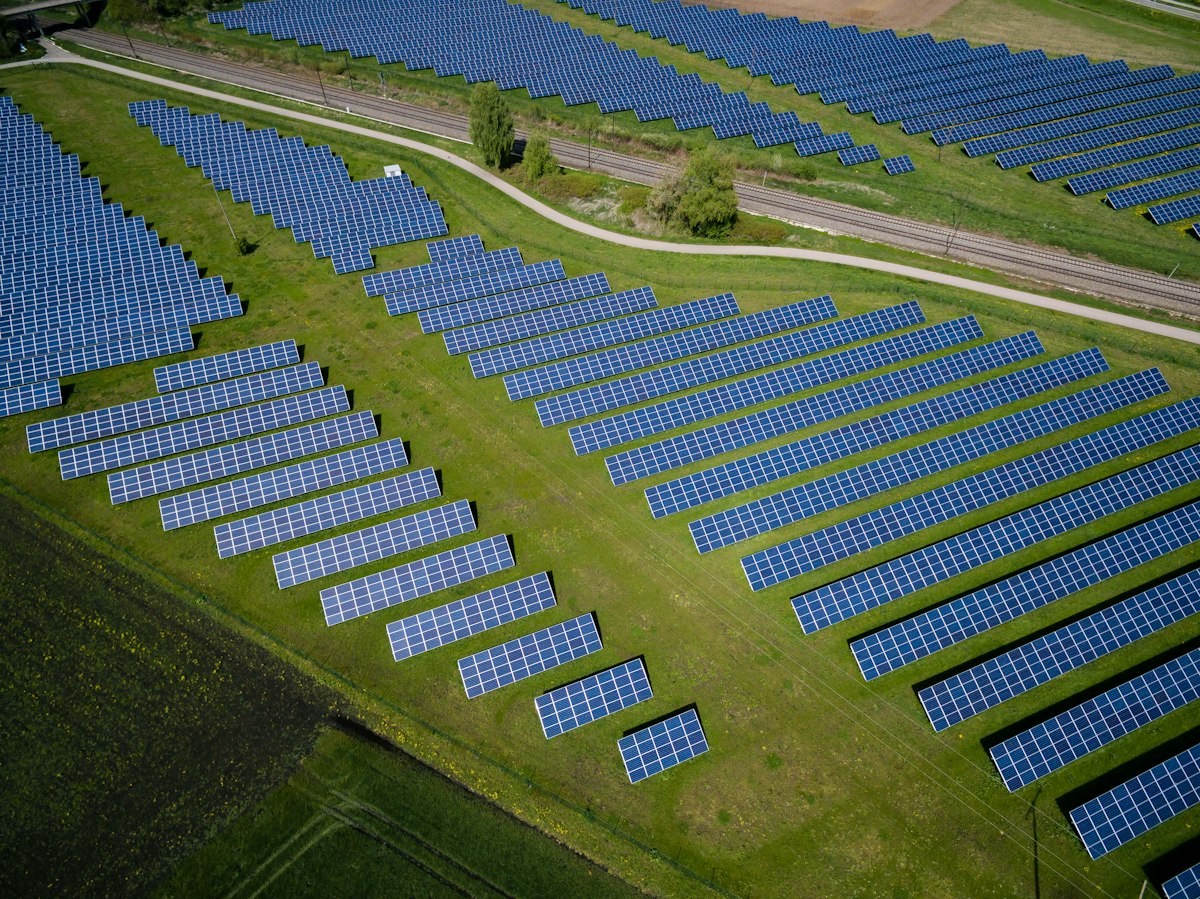
As Texas continues to lead the nation in solar energy production, recent policy shifts and technological innovations are propelling the state's solar capacity to new heights.
In 2026, Texas boasts over 30 gigawatts (GW) of installed solar capacity, a remarkable increase from just 10 GW in 2020. This growth can be attributed to a combination of state incentives, federal tax credits, and a robust push for renewable energy amidst fluctuating oil prices.
The Texas Public Utility Commission recently introduced a series of incentives aimed at boosting the renewable energy sector. These include tax credits for both residential and commercial solar installations, which have made solar energy more accessible than ever before. “The incentives have made a significant difference in adoption rates,” said David Smith, CEO of SolarTech, a leading solar panel manufacturer based in Austin.
With the increasing affordability of solar technology and the expansion of utility-scale solar farms, companies such as First Solar and Enphase Energy are setting up operations in areas like West Texas, where land is cheaper and sunlight is abundant. Reports indicate that First Solar is investing $300 million in a new facility near Lubbock, expected to create around 1,500 jobs.
The environmental benefits cannot be overlooked, either. The expansion of solar capacity is projected to reduce carbon emissions in Texas by 20 million tons annually by 2030. “This is not just about economics; it’s also about doing what’s right for our planet,” added Smith.
However, challenges remain. As Texas' solar capacity grows, concerns about grid reliability and energy storage capabilities persist. The Electric Reliability Council of Texas (ERCOT) is currently undertaking a $1 billion project to enhance grid infrastructure, ensuring that solar energy can be effectively integrated into the power supply.
Still, the momentum in Texas’ solar sector appears unstoppable. Analysts predict that by 2030, solar could account for nearly 25% of the state’s energy mix, a dramatic increase from just 10% in 2023. The Texas solar boom highlights the state’s critical role in the national energy transition, and local businesses are poised to benefit from this surge.