
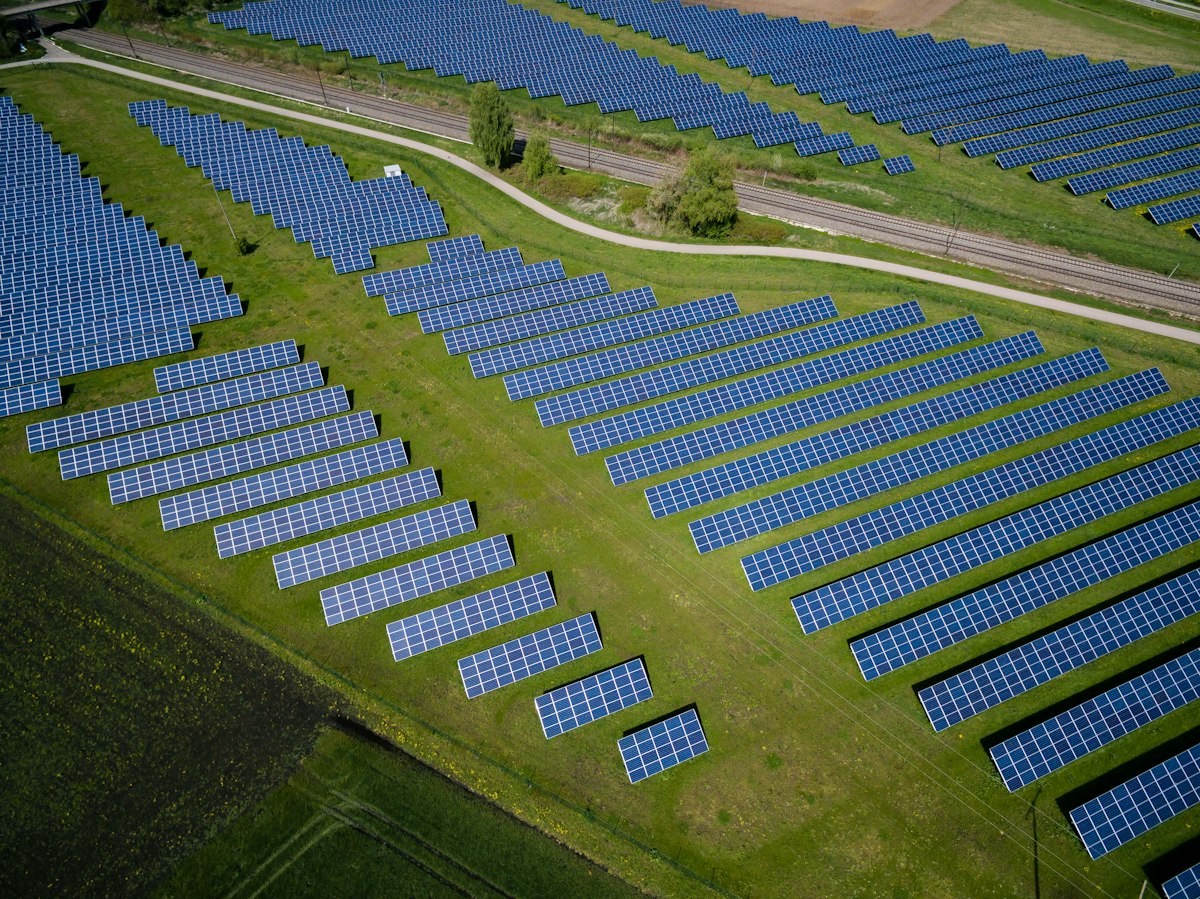
The Texas solar industry has reached a pivotal milestone, with installations in the state surpassing 10 gigawatts (GW) for the first time, reflecting a robust demand for renewable energy sources.
According to the Texas Solar Power Association, the state added over 2 GW of solar capacity in the first half of 2026 alone, doubling the amount added during the same period in 2025. This growth is primarily driven by escalating energy needs, increasing concerns over climate change, and favorable state policies.
Cities like Austin and San Antonio are leading the charge, with local governments and utilities investing heavily in solar projects. In Austin, the city’s utility, Austin Energy, recently announced a $200 million investment in community solar initiatives aimed at increasing access to renewable energy for low-income households.
“We are committed to making solar energy accessible to all Texans,” said Sarah Martinez, spokesperson for Austin Energy. “Our community solar projects are designed to empower residents and reduce their utility bills while contributing to a cleaner environment.”
The momentum in the solar sector is complemented by the recent passage of state legislation promoting renewable energy, which has streamlined permitting processes and provided tax incentives for solar developments. This legislative support has attracted significant investments, with companies like NextEra Energy and Enphase Energy expanding their operations in Texas.
Despite the impressive growth, challenges remain. The Texas energy grid, managed by the Electric Reliability Council of Texas (ERCOT), faces scrutiny over capacity and reliability. The unprecedented heat waves experienced in July have led to record energy consumption, raising concerns about the grid's ability to support this increasing demand.
Experts argue that while solar energy is a crucial part of the solution, it must be complemented by other forms of generation to ensure the reliability of the grid. Dr. Emily Chen, an energy analyst at the Texas A&M Energy Institute, commented, “We need a diversified energy portfolio to ensure that when the sun doesn’t shine, Texas still has access to power.”
As Texas continues to embrace renewable energy, the solar industry’s growth reflects both the challenges and opportunities on the horizon. The state's commitment to expanding its renewable capacity could position Texas as a leader in the national energy landscape, potentially influencing other states to adopt similar policies.