
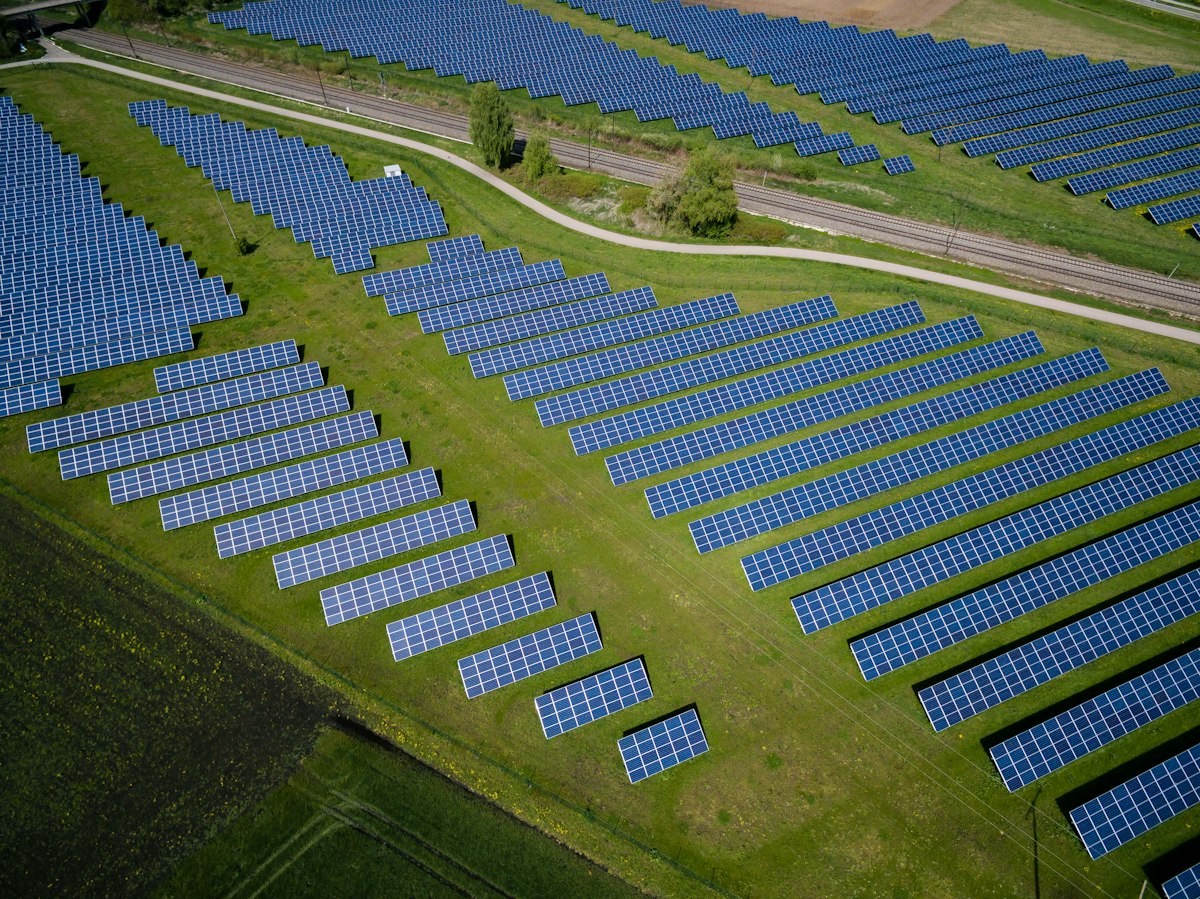
As of July 2026, Texas has officially surpassed 30 gigawatts (GW) of installed solar capacity, marking a significant milestone in the state's renewable energy journey.
The surge in solar energy adoption can be attributed to a combination of favorable state policies and technological advancements. In 2025, the Texas Legislature introduced tax incentives aimed at both residential and commercial solar installations, driving a 35% increase in new projects over the past year.
One of the notable companies leading this solar revolution is Austin-based SunPower Texas, which reported a record revenue of $200 million in Q2 2026 alone, up 50% from the previous year. CEO Maria Gonzalez stated, “With the current incentives and growing public awareness, we are well-positioned to dominate the Texas solar market.”
The rapid expansion has not only created jobs but has also attracted investments from major players in the energy sector. According to a report by the Texas Renewable Energy Association, over 10,000 jobs have been generated in the solar sector since the beginning of 2026, reflecting the increasing demand for clean energy solutions.
Local governments have also played a crucial role in facilitating this growth. Houston has recently launched a program to provide zero-interest loans for residential solar installations, making it easier for homeowners to adopt solar technologies.
Despite the positive outlook, challenges remain. The integration of solar power into the existing grid infrastructure poses potential risks, and experts warn of the need for improved storage solutions to manage the variability of solar energy generation. Dr. Kevin White, an energy policy expert at the University of Texas, remarked, “While we celebrate these achievements, we must also invest in the necessary infrastructure to support this growth.”
Looking ahead, analysts predict that Texas could double its solar capacity by 2030, especially if federal policies continue to support renewable energy initiatives. The Lone Star State is on track not only to lead the nation in solar capacity but also to become a global player in the renewable energy sector.