
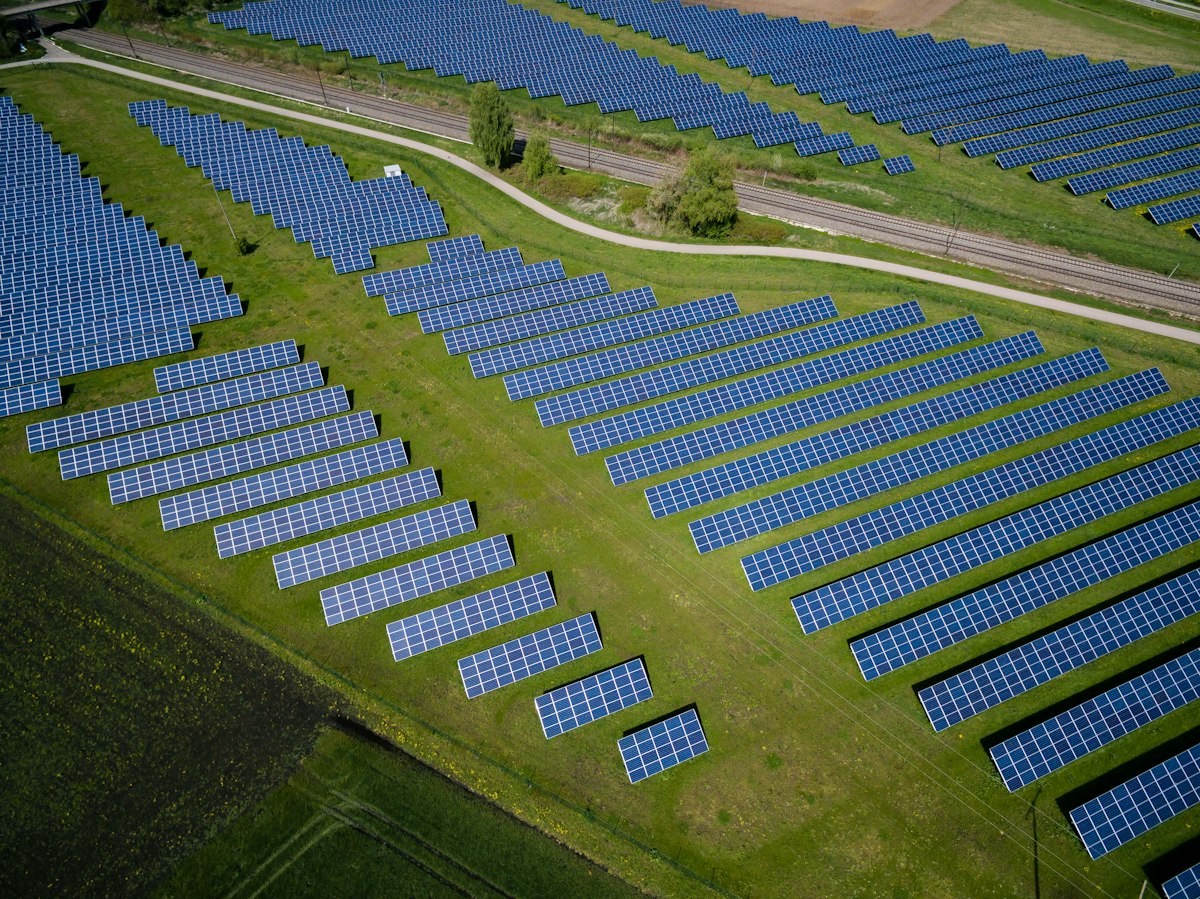
As Texas basks under a relentless summer sun, the state's solar energy sector is experiencing an unprecedented surge in growth, propelled by a combination of technological advances and increasing demand for sustainable energy sources.
In the first half of 2026 alone, Texas has added over 4,500 megawatts of solar capacity, bringing the total to approximately 32,000 megawatts, according to data from the Texas Renewable Energy Industry Association (TREIA). This growth trajectory positions Texas as the leading solar producer in the United States, surpassing California for the first time.
The increased capacity is largely driven by a wave of new utility-scale solar projects, with companies such as NextEra Energy and EDF Renewables leading the charge. NextEra's recent $1.2 billion investment in a new 1,000-megawatt solar facility in Fort Stockton exemplifies the sector's expansion. “We are committed to investing in clean energy solutions that will benefit not only the environment but also the economy,” stated John Ketchum, CEO of NextEra Energy.
Additionally, local governments are increasingly supportive of solar initiatives. In Austin, the City Council recently passed a resolution to source 100% of its electricity from renewable sources by 2035, reinforcing the demand for solar installations.
However, the rapid expansion is not without its challenges. Critics point out that the state's grid, managed by the Electric Reliability Council of Texas (ERCOT), may struggle to accommodate the influx of solar energy, especially during peak summer months. ERCOT has reported instances where the grid has nearly reached maximum capacity, raising concerns over reliability.
“Energy storage solutions are critical to managing supply and demand effectively,”
said Tommy Wright, an energy analyst at Wood Mackenzie. “Investing in battery storage will play a significant role in stabilizing the grid.”
To address these issues, ERCOT is currently examining proposals for new energy storage projects, with some estimates suggesting that Texas may need an additional 10,000 megawatts of energy storage capacity by 2030 to ensure reliability during peak demand periods.
The momentum surrounding solar energy in Texas is palpable, and as companies and government officials align their strategies toward clean energy, the state is poised to redefine its energy landscape. Industry experts predict that solar energy could account for over 25% of Texas’s energy mix by 2030, a significant increase from the current 11%.