
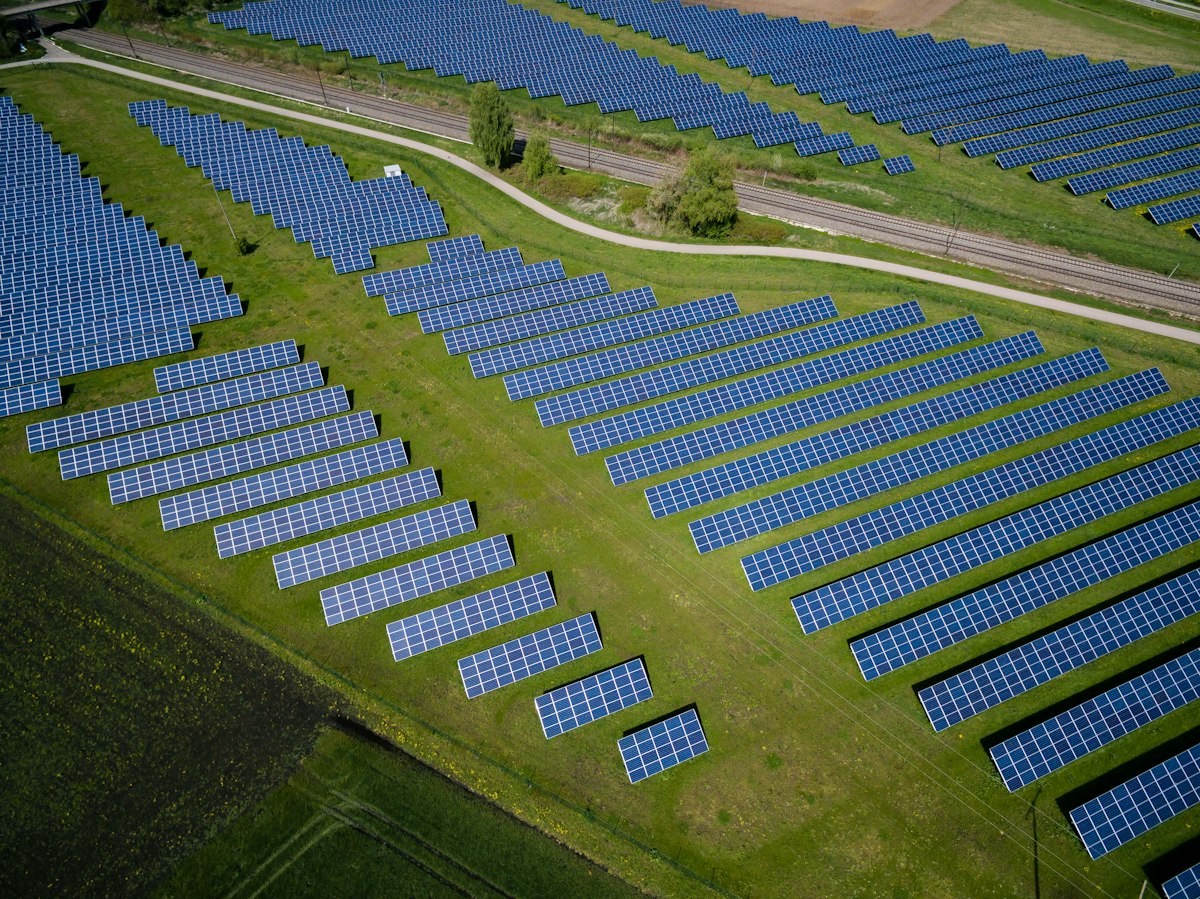
As the sun rises over Texas, a new era of solar energy is dawning, fueled by recent legislative initiatives aimed at boosting renewable energy across the state.
In August 2026, the Texas Legislature passed a groundbreaking law that aims to increase the state's solar capacity by 50% within the next five years. This ambitious goal aligns with the state's commitment to diversify its energy portfolio and reduce greenhouse gas emissions.
According to the Texas Solar Industry Association, the state currently has over 30,000 megawatts of installed solar capacity, making it the leading solar producer in the United States. The new legislation is expected to attract an additional $10 billion in investments, further solidifying Texas’s position as a renewable energy leader.
“This law is a monumental step forward for solar energy in Texas,” said Jamie Thompson, Executive Director of the Texas Solar Industry Association. “It creates a favorable environment for investment and innovation in clean energy technologies.”
Cities such as Austin and Dallas are already witnessing a surge in residential and commercial solar installations. Local companies, including Austin-based SunPower Texas, are reporting unprecedented demand for solar panels and installation services.
In addition to the economic benefits, the push for solar energy is expected to create approximately 15,000 new jobs in the state by 2031, providing much-needed employment opportunities in a rapidly changing energy landscape.
However, industry experts caution that while the growth is promising, challenges remain. Infrastructure improvements are necessary to handle the increased energy load, and regulatory hurdles could impede the speed of deployment. “We need to ensure that our grid can accommodate this influx of renewable energy,” noted Dr. Emily Roberts, an energy policy expert at the University of Texas at Austin.
As Texas continues to harness its abundant sunlight, the results of this legislative push will be closely monitored. The outcome could serve as a model for other states seeking to transition towards greener energy sources.