
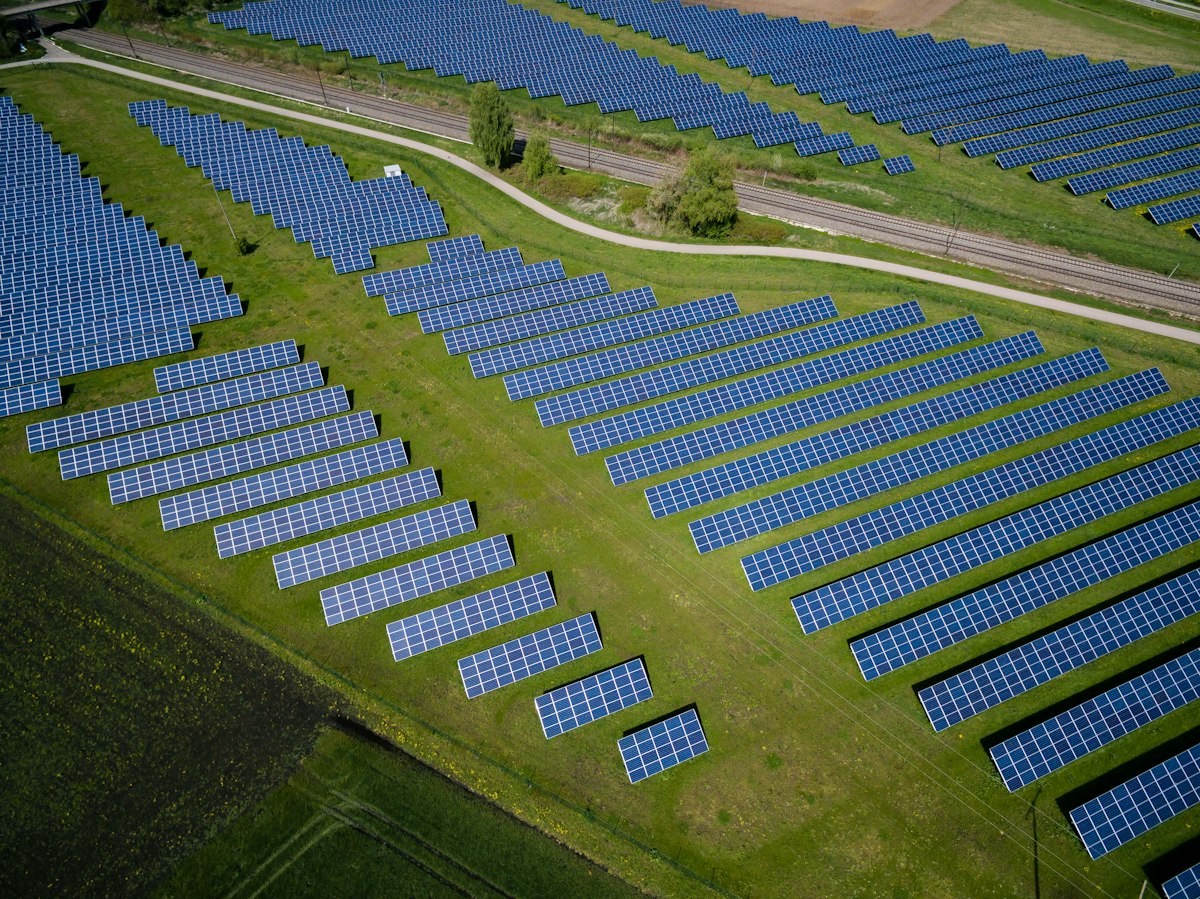
As demand for renewable energy continues to soar, Texas has emerged as a national leader in solar energy production, making significant strides in both capacity and investment.
In recent months, Texas has seen a notable increase in solar farm installations, with the total capacity expected to surpass 30 gigawatts by the end of 2026. Major projects like the $1.5 billion Blue Cloud Solar Project in Pecos County are driving this growth, aiming to add over 1.5 gigawatts of clean energy to the state's grid.
The Texas solar industry has attracted over $10 billion in investments in 2026 alone, a figure that reflects the state's ambitious goals to meet growing energy demands while adhering to more stringent environmental regulations. According to the Texas Renewable Energy Coalition, solar energy accounted for nearly 20% of the state's total energy production in 2025, a significant increase from just 5% in 2020.
"Texas is uniquely positioned to lead the solar revolution in the United States due to its vast land resources and abundant sunlight," said John Smith, Executive Director of the Texas Solar Power Association. "Our state's commitment to renewable energy is not just good for the environment; it’s good for the economy, creating thousands of jobs in the process."
Cities such as Austin and San Antonio have also ramped up their solar initiatives, with both municipalities launching programs aimed at increasing residential solar installations. Austin Energy's Solar Program, for example, provides incentives that have led to a 30% increase in residential solar installations since the beginning of the year.
Furthermore, the demand for solar energy is expected to rise as large corporations, including tech giants like Google and Apple, commit to sourcing 100% renewable energy for their operations. In fact, Apple recently announced plans to construct a 150-megawatt solar farm in the Texas Panhandle, underlining the state's strategic importance in the renewable energy sector.
However, the rapid growth of solar energy in Texas is not without challenges. The state’s energy grid, managed by the Electric Reliability Council of Texas (ERCOT), has been under scrutiny since the infamous winter storm of 2021. Ensuring grid reliability while accommodating increasing renewable energy sources remains a significant concern for regulators and industry stakeholders.
To address these challenges, ERCOT is working on various initiatives aimed at enhancing grid resilience and integrating more renewable energy sources. The current focus includes upgrading transmission lines and investing in energy storage solutions, which are critical for balancing supply and demand during peak periods.
In conclusion, as Texas continues to pave the way for a sustainable energy future, the emphasis on solar power is not only reshaping the state’s energy landscape but also solidifying its role as a key player in the national renewable energy market.