
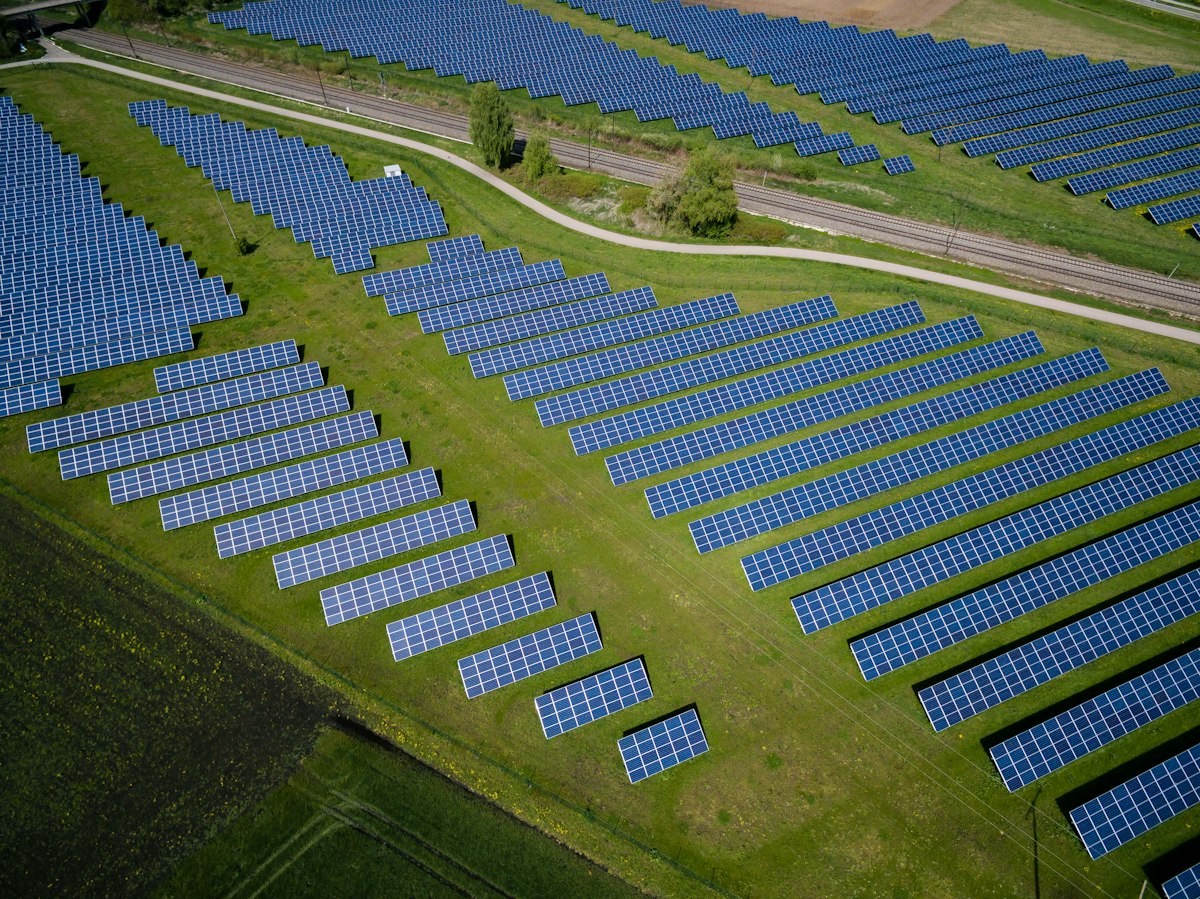
In the wake of renewed federal incentives, Texas has witnessed a dramatic surge in solar energy production, with installed capacity reaching an impressive 40 gigawatts (GW) by mid-2026, up from just 28 GW in 2023.
This significant increase is attributed to a combination of favorable policy developments and a surge in private investment. Companies like NextEra Energy and Vistra Corp have ramped up their solar projects across the state, particularly in regions such as West Texas and the Panhandle.
“The combination of the Investment Tax Credit and state-level initiatives has unlocked a new wave of investment in solar infrastructure,” said John McCarthy, Vice President of Renewable Energy at NextEra. “We expect this trend to continue as demand for clean energy rises.”
The federal solar tax credit, extended to 30% under the Inflation Reduction Act, has been pivotal in encouraging both residential and commercial solar installations. As a result, Texas homeowners are increasingly opting for solar panels, contributing to a 25% rise in installations reported by the Texas Solar Power Association in the first half of 2026.
Moreover, utility-scale solar farms are proliferating. According to a recent report by the U.S. Energy Information Administration, Texas has more than 150 operational solar projects, with several large-scale installations, such as the 1,000 MW Mount Signal Solar project near Brownsfield, coming online this year.
This growth is not without its challenges. Critics point to the need for improved grid infrastructure to manage the intermittent nature of solar energy. The Electric Reliability Council of Texas (ERCOT) has acknowledged the strain on its systems, particularly during peak demand hours.
To address these concerns, Texas lawmakers are pushing for increased investment in energy storage technologies. In a recent legislative session, a new bill proposed allocating $500 million towards battery storage projects, aimed at enhancing grid reliability and supporting the growing renewable sector.