
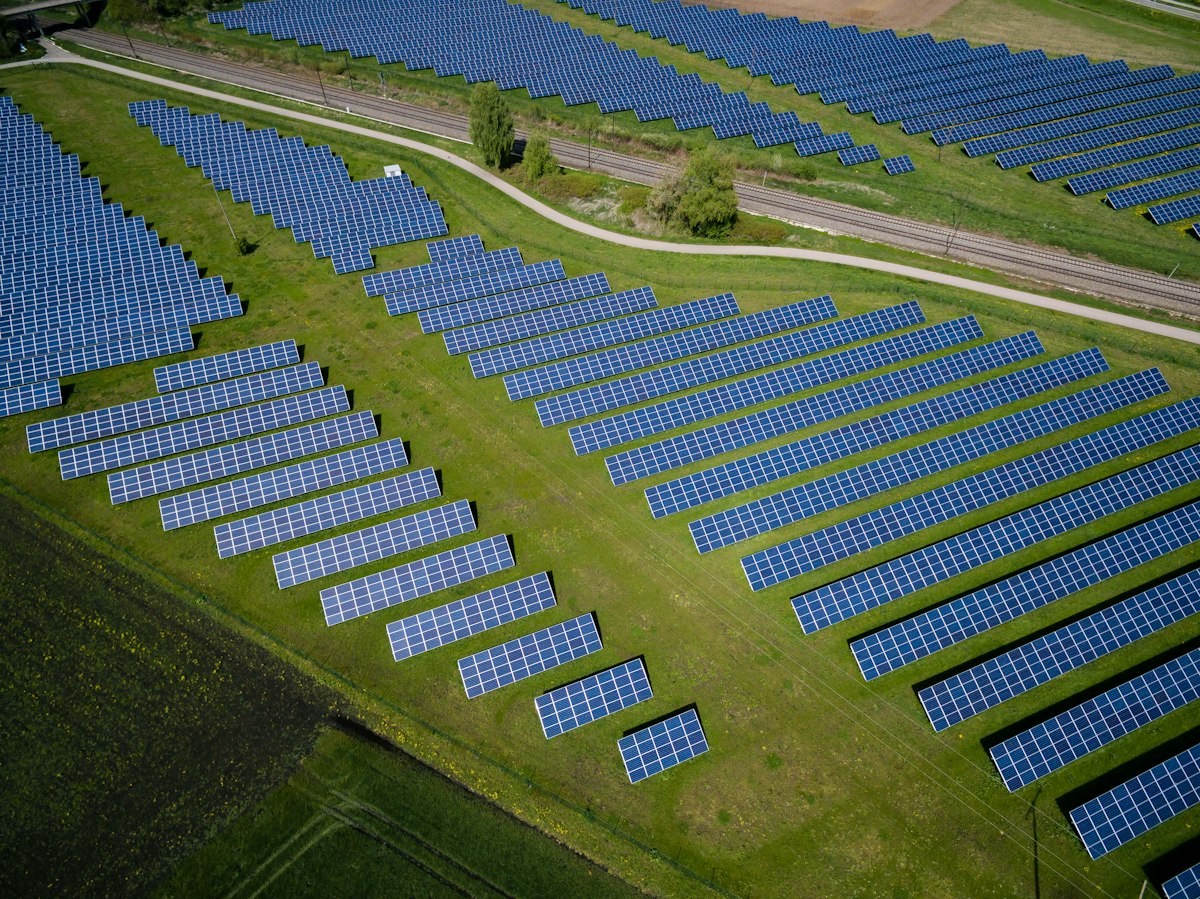
In a transformative shift for the energy landscape, Texas has emerged as a leader in solar energy production, with installations increasing by 40% in the last year alone. This growth is largely attributed to enhanced federal tax credits designed to incentivize renewable energy investments, as well as a growing commitment from Texan businesses to adopt sustainable practices.
According to the Solar Energy Industries Association (SEIA), Texas accounted for over 30% of the total solar installations in the United States in 2025, with the state adding nearly 6,000 megawatts (MW) of solar capacity. Major Texas cities such as Austin and Dallas are at the forefront of this solar surge, with numerous large-scale solar farms coming online.
“The combination of federal tax incentives and local demand for greener energy solutions has created a perfect storm for solar growth in Texas,” said John W. Smith, CEO of SolarTex, a leading solar installer based in Houston. “We are witnessing not just an increase in installations but also a shift in how Texans perceive renewable energy.”
The recent extension of the Investment Tax Credit (ITC) to 30% through 2032 has provided a significant boost to the solar market. This incentive allows solar investors to deduct a considerable percentage of their installation costs from federal taxes, making the switch to solar more financially attractive for both residential and commercial clients.
For instance, Austin's new Solar Initiative program is set to invest over $50 million in solar projects, aiming to increase solar capacity by 1,000 MW by 2028. This local government initiative not only aims to reduce carbon emissions but also seeks to create job opportunities in the clean energy sector.
Additionally, the city of San Antonio has recently announced plans for a $250 million solar farm, expected to be operational by late 2027. The project aims to supply power to over 50,000 homes and is part of the city’s broader strategy to achieve net-zero emissions by 2050.
Despite these advancements, challenges remain. The Texas electric grid, managed by the Electric Reliability Council of Texas (ERCOT), faces questions about its capacity and resilience as more intermittent energy sources like solar come online. Critics argue that a significant expansion of energy storage solutions is necessary to ensure stability.
Looking ahead, industry experts are optimistic about the trajectory of solar energy in Texas. “The state is on course to become the solar capital of the U.S.,” remarked Sarah Johnson, a renewable energy analyst at the Texas Energy Institute. “With the right regulatory framework and continued investment, the growth we’re witnessing will only accelerate.”