
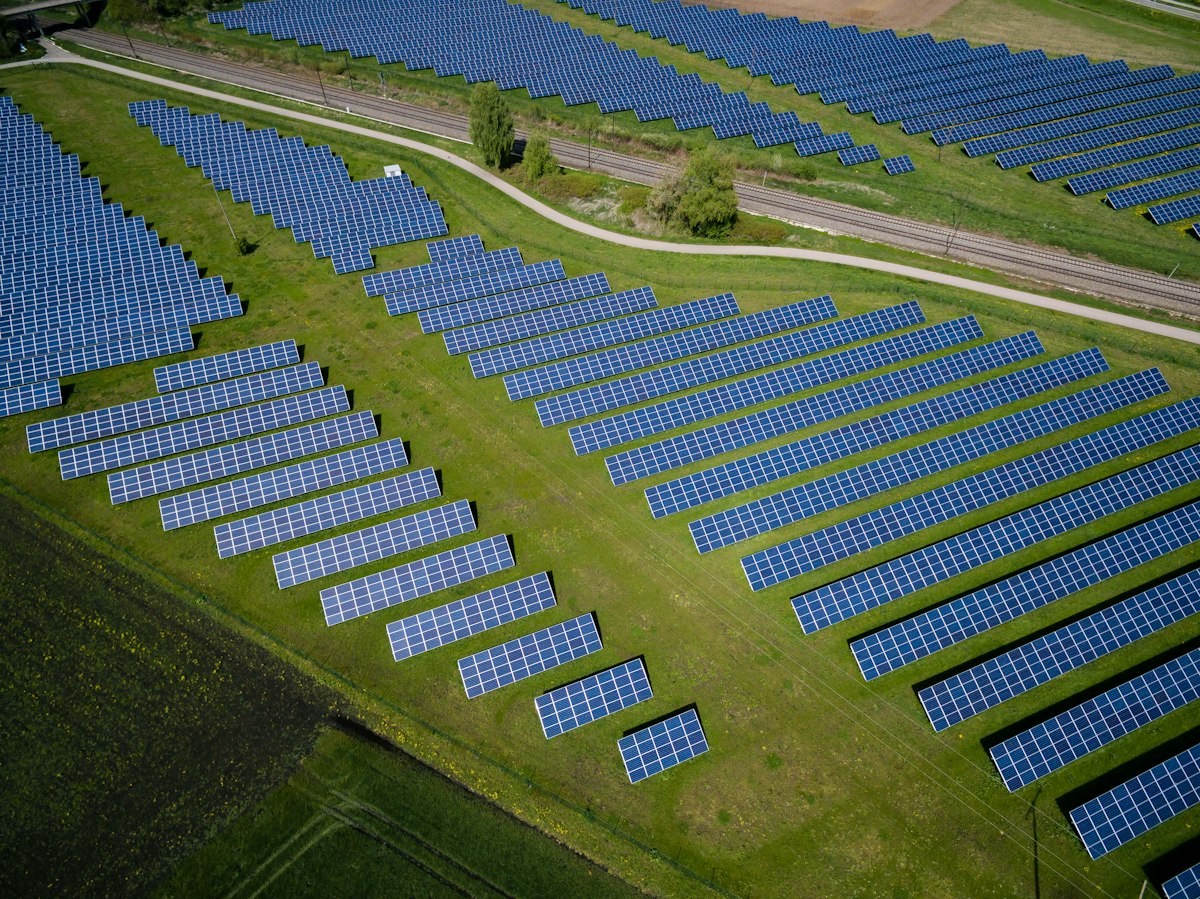
As Texas continues to assert its dominance in the solar energy market, recent regulatory changes have opened up new avenues for growth and innovation.
The Texas Public Utility Commission's decision to streamline interconnection processes for solar projects has been met with enthusiasm from industry leaders. With an estimated 45 gigawatts of solar capacity expected online by 2030, the Lone Star State is ramping up efforts to attract both domestic and international investments.
"The new rules will significantly reduce the time and cost associated with getting solar projects up and running," said Sarah Thompson, CEO of Solar Texas, a prominent renewable energy firm based in Austin. "This is a game-changer for our industry and will help us meet the growing demand for clean energy."
In the past year alone, Texas has seen a surge in solar installations, with over 3,000 megawatts added in 2025. Major cities like Houston and Dallas are at the forefront of this transition, with numerous residential and commercial projects underway, showcasing the state's commitment to renewable energy.
The economic implications are significant, as the solar sector is projected to create over 100,000 jobs statewide by 2030. Local businesses are also capitalizing on this trend, offering services ranging from installation to maintenance.
However, challenges remain, particularly in the form of traditional energy interests pushing back against the rapid adoption of renewables. Critics argue that the state should not overly rely on solar, citing concerns about grid reliability.
To address these concerns, Texas is investing heavily in energy storage solutions. Companies like Tesla are expanding their facilities in the state, enhancing the grid's capacity to handle intermittent solar power. In a recent statement, Tesla's Texas General Manager, Mike Johnson, noted, "Our innovations in battery technology will ensure that Texas not only leads in solar but also in energy reliability across the board."
As Texas forges ahead in solar energy, the state's economic landscape is undergoing a transformation, positioning it as a leader in the renewable energy revolution.